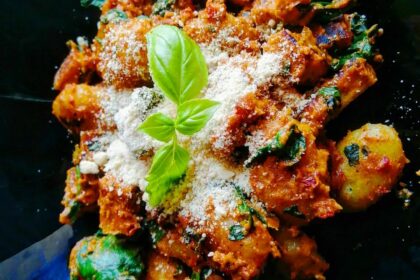

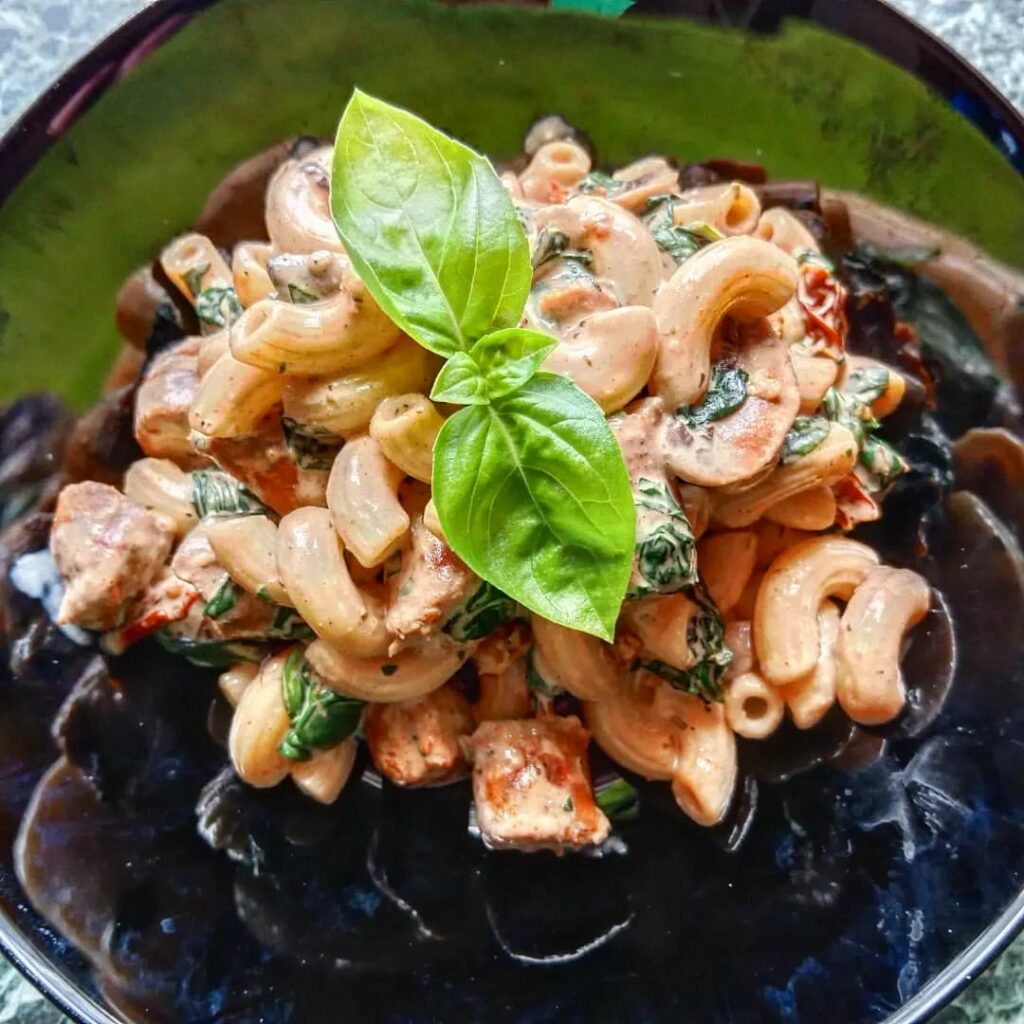
If you have ever wondered whether vegan creamy pasta can match the depth and richness of a classic Tuscan original, the answer is a confident yes. This recipe delivers a thick, fragrant sun-dried tomato cream sauce wrapped around every piece of pasta, with sautéed mushrooms, wilted spinach, and crispy vegan sausage that would satisfy even the most committed meat-eater at the table. And you need less than 20 minutes and one pan to get there.
What makes this Toscana-style pasta so special, and why does it keep appearing on food blogs and social media feeds worldwide? What vegan cream works best for the sauce, and what protein can you add if you are not a fan of vegan sausage? We will cover all of that here, including the real history of Tuscan cuisine, the science behind sun-dried tomatoes, the health benefits of key ingredients, and practical tips for storage and variations. By the end you will know this recipe inside out.
Why You Will Love This Recipe
This is not just another pasta dish. Here are five concrete reasons it is worth bookmarking right now:
- Ready in 20 minutes, one pan for the sauce and one pot for the pasta, so washing up is minimal.
- Sun-dried tomatoes carry 58% bioavailable lycopene, roughly double that of fresh tomatoes, making this recipe as nutritious as it is delicious.
- Fully adaptable cream base: soy cream, oat cream, cashew cream, or coconut milk all work beautifully depending on what you have in the fridge.
- Works for everyone at the table, tested on non-vegans repeatedly with nothing but clean plates left behind.
- One base, endless variations: swap the vegan sausage for tofu, tempeh, or chickpeas and the result is just as satisfying and protein-rich.
These are not marketing claims: they reflect what actually happens every time we make this recipe, whether for a quick weeknight dinner or to impress guests who were not expecting to enjoy vegan food quite so much.
Interesting Facts About Tuscan Cuisine and Sun-Dried Tomatoes
Before you start cooking, here are a few facts that make this recipe even more interesting to eat and to share with others at the table.
Tuscan cuisine was born from poverty, not luxury
Tuscany is today synonymous with gastronomic luxury, but the history is genuinely surprising: Tuscan cuisine developed as cucina povera, the cuisine of the poor. Local farmers ate soups, legumes, vegetables, and bread because meat and salt were too expensive. Traditional Tuscan bread still contains no salt today, a direct reference to medieval tax policy on salt.
The Medici family, who ruled Florence from the 15th century, elevated this simple peasant cooking into something more refined, and Catherine de’ Medici reportedly brought Tuscan culinary techniques to France when she married King Henry II. The cuisine we now associate with Italian sophistication began as the food of poor farmers who used what the land gave them.
Sun-dried tomatoes were a Sicilian invention for surviving winter
Tomatoes arrived in Italy from the Americas via Spanish explorers around 1550. Sicilians were the first to discover that the hot, dry summer climate was perfect for drying tomatoes on wooden boards on rooftops for four to eleven days. This was not about gourmet cooking: it was about survival, preserving summer tomatoes for the winter months before refrigeration existed.
It was not until the 1980s and 1990s that sun-dried tomatoes became fashionable in the UK and USA. What is genuinely surprising is the nutrition: 100g of sun-dried tomatoes contains approximately 45,938 micrograms of lycopene, compared to around 2,600 micrograms in fresh tomatoes. And the bioavailability of lycopene from sun-dried tomatoes reaches 58%, compared to just 28% from fresh.
Spinach and tomatoes are a nutritional power couple
There is a good reason spinach and tomatoes appear together in so many traditional recipes across multiple cuisines. Spinach is rich in non-heme iron (the plant-based form), which the body struggles to absorb without the right companion food. Tomatoes contain vitamin C, which increases non-heme iron absorption by 200 to 300% when consumed in the same meal.
Cooking spinach also breaks down oxalates, compounds that would otherwise block iron absorption. The result: this recipe is nutritionally more effective than eating spinach or tomatoes separately. For anyone eating a plant-based diet and monitoring iron intake, this combination is genuinely one of the smartest choices you can make.
Health Benefits of the Key Ingredients
Vegan creamy Tuscan pasta is not just a crowd-pleaser. Three of its main ingredients are nutritional standouts worth knowing about before you eat.
Sun-dried tomatoes: concentrated lycopene powerhouse
Per 100g, sun-dried tomatoes provide approximately 257 kcal and 14.1g of protein, impressive numbers for a plant food. What really stands out is their potassium content (3,427mg per 100g, one of the highest in any food), fibre (12.3g per 100g), and lycopene concentration.
Research published in the Journal of the Science of Food and Agriculture confirms that lycopene bioavailability from processed tomatoes (dried, cooked) is significantly higher than from raw fresh tomatoes. Lycopene has been linked in population studies to reduced risk of prostate, lung, and stomach cancers. Since the tomatoes in this recipe are both sun-dried and then cooked further in the sauce, you are getting maximum bioavailable lycopene per serving.
Spinach: plant iron with surprisingly high absorption
100g of raw spinach contains just 23 kcal, yet delivers 3.6mg of iron, 194 micrograms of folate (essential for cell repair and healthy pregnancies), and 483 micrograms of vitamin K (402% of the recommended daily value). Spinach is also a meaningful source of vitamin A in beta-carotene form, magnesium, and calcium. When cooked with tomatoes as this recipe requires, non-heme iron absorption is maximised through the vitamin C in the tomatoes. For plant-based eaters who monitor their iron levels, this combination is genuinely one of the most effective ways to get it from food.
Soy cream vs dairy: what the numbers actually say
Soy cream (such as Alpro Soya Cuisine) contains approximately 90 to 110 kcal per 100ml and only 5 to 6g of fat. Dairy double cream provides around 450 kcal and 48g of fat per 100ml. In other words, soy cream has more than four times fewer calories and nearly ten times less fat than its dairy equivalent, while producing an equally rich and creamy sauce texture. If you want a richer result, cashew cream (229 kcal, 17 to 20g fat, zero cholesterol) is excellent. For a lighter dish, oat cream (130 kcal, 9g fat) works well and is widely available in most supermarkets.
Approximate Nutritional Values Per Serving
The table below gives estimated nutritional values for one of four servings of this recipe. Actual values will vary depending on the brand of cream, pasta type, and specific ingredients used.
| Nutrient | Amount per serving |
|---|---|
| Calories | ~470 kcal |
| Protein | 18 g |
| Carbohydrates | 68 g |
| Fat | 14 g |
| Fibre | 7 g |
Approximate values per serving; actual amounts depend on specific ingredients and quantities used.
Vegan Creamy Tuscan Pasta
Ingredients
- 350 g cooked pasta
- 250 ml soy cream or any plant-based cream
- 200 g vegan sausages e.g. supermarket plant-based
- 100 g mushrooms
- 100 g fresh spinach
- 50 g sun-dried tomatoes
- herb salt to taste
- black pepper to taste
- soy sauce to taste
- nutritional yeast to taste
- dried garlic to taste
- smoked paprika to taste
- dried basil to taste
- dried oregano to taste
- olive oil
Instructions
- Cook the pasta according to package instructions.
- In a large pan, sauté the vegan sausages, mushrooms, sun-dried tomatoes, and spinach with the spices over medium heat. Add the soy cream and let it simmer for a few minutes.
- Season to taste, add the cooked pasta, mix well, and serve immediately.
Notes
Tips and Variations for This Vegan Creamy Pasta
This recipe is great as written, but a few tweaks can take it further or adapt it to whatever you have at home right now.
- No vegan sausages? Replace them with smoked paprika and soy sauce-seasoned tofu chunks, fried tempeh for extra protein, or herb-marinated chickpeas for a lighter texture that still holds the sauce beautifully.
- No soy cream? Cashew cream (blended soaked cashews with water and lemon juice) gives the richest result. Oat cream is the lightest option. Full-fat coconut milk from a tin works but adds a slight coconut flavour that suits Asian-inspired variants more than Tuscan.
- How to store creamy vegan pasta: Keep in an airtight container in the fridge for 2 to 3 days. When reheating, add a splash of plant milk or water to loosen the sauce. Freezing is not recommended: the cream sauce tends to separate on thawing.
- Make-ahead tip: Prepare the sauce without pasta up to one day in advance and store in the fridge. Cook the pasta fresh just before serving for the best texture.
- Air fryer variation: Cook the vegan sausages in an air fryer at 180°C for 8 minutes for an extra-crispy texture before adding them to the sauce.
The beauty of this recipe is its flexibility. The base is solid enough to accept almost anything you have in the fridge, which is why it has become one of our go-to weeknight dinners regardless of the season.
What to Serve With This Vegan Creamy Pasta
The pasta is rich and filling enough to stand alone, but a few simple additions can turn it into a proper dinner party spread worth remembering.
- Garlic bread or focaccia: Crusty bread to mop up the extra sauce is non-negotiable in our household. The combination is a classic for very good reason and never fails to impress.
- Simple green salad with lemon dressing: The acidity cuts through the richness of the cream sauce beautifully and balances the whole plate without competing with the pasta flavours.
- Roasted or sautéed vegetables: Courgette, cherry tomatoes, or steamed broccoli add colour and extra vitamins alongside the pasta.
- More plant-based protein inspiration: If you enjoy protein-forward vegan cooking, our guide to 7 best plant-based protein sources is a great next read, and our best tofu recipes for vegan lunch and dinner will give you plenty more ideas for replacing vegan sausage in this and other dishes.
Whether you serve it simply with a salad or turn it into a full spread, this pasta never disappoints. The flavours are bold enough to impress and approachable enough to become a weekly staple for the whole household.
Frequently Asked Questions
What is vegan Tuscan pasta and how do I make it?
Vegan Tuscan pasta (also called Toscana pasta) is a creamy pasta dish inspired by Tuscan flavours: sun-dried tomatoes, spinach, mushrooms, garlic, and herbs in a rich plant-based cream sauce. To make it, cook your pasta, sauté the vegetables and vegan protein with spices, add plant cream, simmer for a few minutes, then combine everything. The full recipe with exact quantities and steps is in the recipe card above.
What can I use instead of cream in vegan pasta?
The best options for vegan cream in pasta are: soy cream (neutral flavour, low fat, widely available), cashew cream (richest result, zero cholesterol), oat cream (lightest texture, slightly sweet), or full-fat coconut milk from a tin (slight coconut flavour). For cashew cream, blend 100g of soaked raw cashews with 150ml of water and a squeeze of lemon juice until completely smooth. Any of these will produce a beautiful creamy sauce in this recipe.
Is pasta vegan? Does it contain eggs?
Standard dry pasta made from durum wheat and water is vegan and available in every supermarket. Fresh pasta and egg pasta (labelled “all’uovo” or “with eggs”) are not vegan. Always check the ingredient list on the packaging to be sure. Gluten-free pasta made from rice, corn, or lentil flour is also vegan and works well in this recipe. For the full rundown on labels, sauces and ordering pasta in Italy, see is pasta vegan.
Can I make this with coconut milk instead of cashew cream?
Yes, full-fat coconut milk from a tin works well in this recipe. It creates a rich, creamy sauce, though it does add a subtle coconut flavour that slightly shifts the taste profile away from traditional Tuscan. If you want to keep the flavour squarely Italian, soy cream or cashew cream is a better choice. For an Asian-inspired twist, coconut milk with a splash of lime juice and fresh ginger is excellent.
What protein can I add to vegan Toscana pasta instead of sausage?
Excellent alternatives to vegan sausage include – smoked paprika and soy sauce-marinated tofu (press it first for better texture and a crispier result), fried tempeh cubes, herb-marinated chickpeas roasted until crispy, or any plant-based mince. For a lighter dish without added protein, the mushrooms and sun-dried tomatoes provide enough satisfying substance on their own.
How do I store leftover creamy vegan pasta and can I reheat it?
Store leftovers in an airtight container in the fridge for up to 2 to 3 days. Reheat on the hob or in the microwave, adding a splash of plant milk or water to loosen the sauce and prevent it from sticking. Freezing is not recommended as cream-based sauces tend to separate when thawed, resulting in a grainy texture that is hard to rescue.
Have you tried this vegan creamy Tuscan pasta? We would love to hear how it went in the comments below, or tag us on Instagram with your version. The recipe is endlessly adaptable, so make it yours. And if you are looking to explore more plant-based protein ideas for pasta nights, our round-up of 7 best plant-based protein sources is the perfect next step, as is our collection of best tofu recipes for vegan lunch and dinner.
Newsletter
Get our free e-books
Join the newsletter and download Our Vegan Christmas Kitchen straight away, 10 recipes for Czech cookies, gingerbread and vánočka. Then once a month, new places from the vegan map and new articles. Unsubscribe with one click.