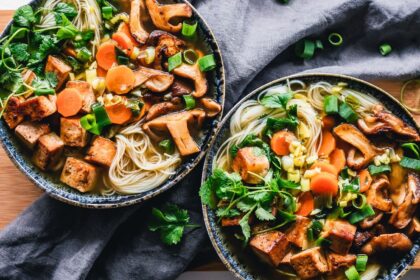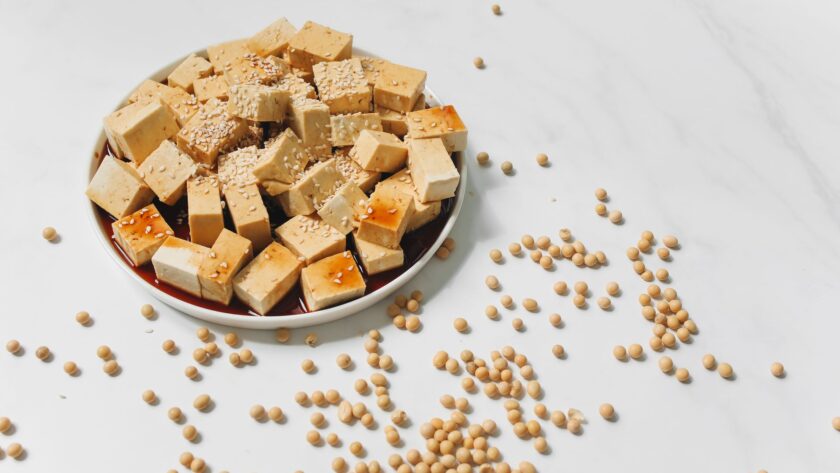
They sit side by side in the chiller cabinet, two soy blocks that look like they should do the same job. Tempeh vs tofu is really a match between two very different foods, though. One is made a bit like cheese, from soy milk. The other is whole soybeans, fermented into a firm cake. They differ in taste, texture, calories and in which dishes they shine.
We cook with both all the time, and the same questions keep landing in our comments and inbox.
Which is healthier, tempeh or tofu? Does tempeh really have double the protein? Why does one person love tofu while another calls it “flavourless rubber” after one bite? Does soy raise estrogen? And where does seitan fit in? We went through the USDA nutrition database, real supermarket labels and the scientific reviews. A couple of the answers surprised us.
This is for everyone. For vegans who want to choose smarter, and for meat-eaters who just want to know what to buy when they try something new. No lectures here. We just want your first block of tofu or tempeh to end up on a plate, not in the bin.
Tempeh vs tofu: the main difference in one sentence
The main difference between tempeh and tofu is how they are made. Tofu is soy milk that has been curdled and pressed into blocks, much like making cheese from dairy milk. Tempeh is whole cooked soybeans bound together by a cultured mould called Rhizopus into a firm, sliceable cake. Everything else, from flavour to fibre, follows from that.
Tofu: curdled soy milk
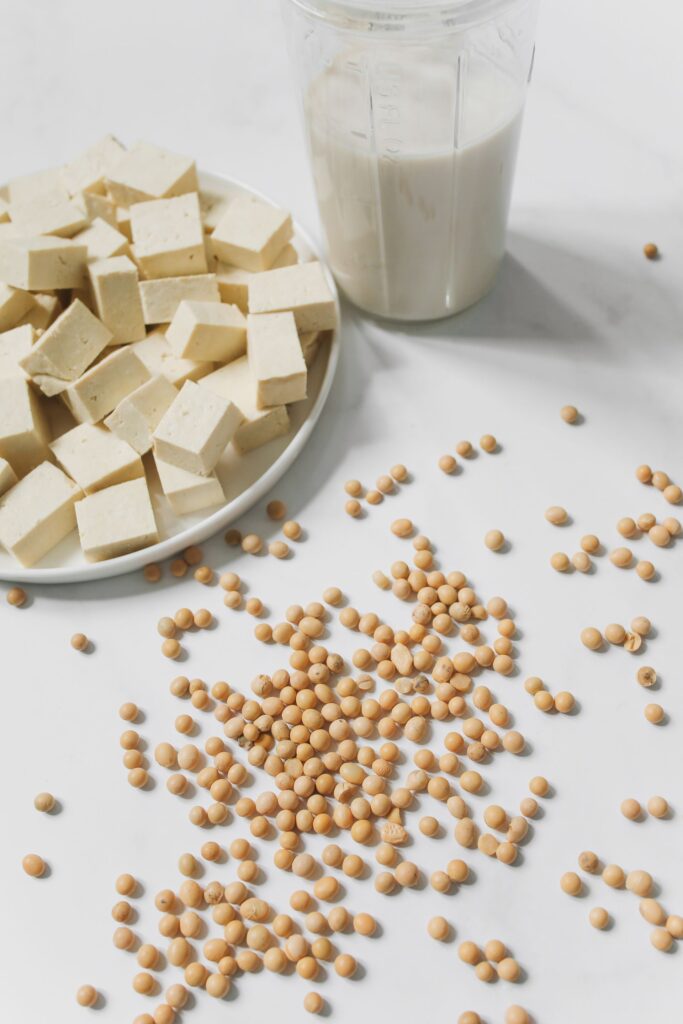
Tofu starts as soy milk. A coagulant goes in, usually calcium sulphate or nigari (magnesium chloride from seawater). The milk curdles, the curds are pressed, and the amount of water left behind decides whether you get silken, soft, firm or extra-firm tofu. That is why tofu is smooth, delicate and close to flavourless on its own.
The coagulant matters more than most people realise. It decides how much calcium ends up in the block, and it shapes the flavour too.
Tempeh: whole beans held together by mould
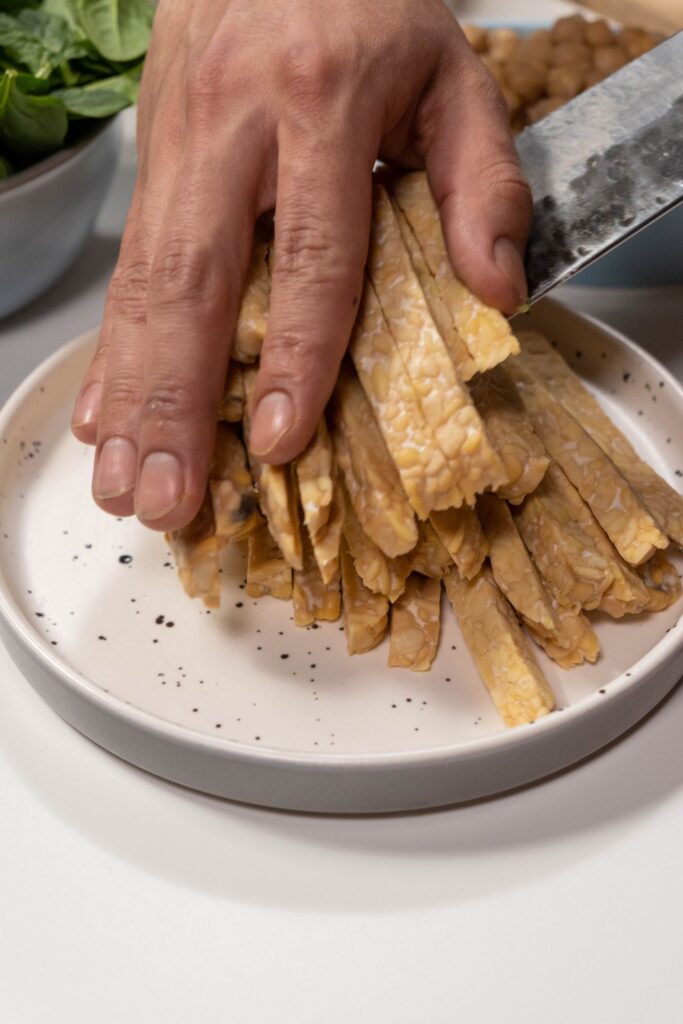
Tempeh comes from Java in Indonesia. Soybeans are hulled, cooked, mixed with a starter culture and kept warm for roughly one to two days. In that time a white web of Rhizopus mould grows through the beans and knits them into a solid cake. You can still see the whole beans in the finished block, which is why tempeh has a firm, slightly grainy bite and a strong nutty flavour.
Where tofu and tempeh come from
Tofu comes from China. Legend credits its invention to Prince Liu An of the Han dynasty, in the 2nd century BC. From China it spread to Japan, Korea, Vietnam and beyond, often alongside Buddhism and its meat-free cooking.
Tempeh is Indonesian, and on Java it is still everyday food, fried, braised sweet or simmered in sauces. If you are heading to Indonesia, eat it where it was born. Our guide to the best time to visit Bali covers the island next door to tempeh’s home.
The 100-gram comparison: tofu, tempeh and seitan in numbers
Tempeh has the most protein, fibre and calories per 100g, firm tofu comes surprisingly close on protein, and silken tofu is the lightest. We built this table from USDA FoodData Central plus a European seitan label. We call it our “100-gram comparison”, and the rest of this article keeps coming back to it.
| Per 100g | Energy | Protein | Fat | Carbs | Calcium |
|---|---|---|---|---|---|
| Plain tempeh | 192 kcal | 20.3g | 10.8g | 7.6g | 111mg |
| Firm tofu (calcium sulphate) | 144 kcal | 17.3g | 8.7g | 2.8g | 683mg |
| Regular / soft tofu (calcium sulphate) | 76 kcal | 8.1g | 4.8g | 1.9g | 350mg |
| Silken tofu, firm | 62 kcal | 6.9g | 2.7g | 2.4g | 32mg |
| Seitan (Sunfood Seitan special, Czech label) | 160 kcal | 18g | 6.6g | 7g | not stated |
Source: USDA FoodData Central (tempeh 174272, firm tofu 172475, regular tofu 172476, Mori-Nu silken 172461), Sunfood Seitan special label. Values are for raw, unflavoured products. Brands vary, so check the pack.
Which has more protein, tempeh or tofu?
Tempeh has more protein, but the gap is far smaller than most articles claim. Plain tempeh has 20.3g of protein per 100g according to the USDA, firm tofu 17.3g. That is a difference of about three grams, not “double”.
Why you keep reading that tempeh has twice the protein
Most comparisons online put tempeh up against regular (soft) tofu, which has around 8g of protein per 100g. Against that, tempeh does have more than double. But the block most people buy for cooking is firm or extra-firm tofu, and that sits close to tempeh. Soft and silken tofu go into desserts, soups and creamy sauces, where protein is not really the point.
What real supermarket labels say
On actual packs, the gap between tofu and tempeh is smaller still. We compared a UK tofu, a UK tempeh and products from one Czech maker, Sunfood, so that brand differences do not skew the picture. Protein for Better Nature is worked out from its stated 44g per 200g pack, and a dash means we did not check that figure.
| Product (per 100g) | Protein | Energy | Fat | Calcium |
|---|---|---|---|---|
| The Tofoo Co. Naked tofu (UK, nigari) | 16.5g | 145 kcal | 7.8g | 81.9mg |
| Better Nature Organic tempeh (UK) | 22g | – | – | – |
| Sunfood plain tofu (Czech, nigari) | 14g | 134 kcal | 7.8g | not stated |
| Sunfood organic fresh tempeh (Czech) | 16.7g | 143 kcal | 8.3g | not stated |
| Sunfood Seitan special (Czech) | 18g | 160 kcal | 6.6g | not stated |
A UK tofu and a UK tempeh end up within about five and a half grams of each other, and the Czech pair within three. Pick between them on flavour and dish, not on protein. If protein is your main focus, our round-up of the best plant-based protein sources puts both in context.
The quick label check: Look at three lines. Protein first, where firm tofu and tempeh usually land between 14 and 22g. Then fat, because over 15g usually means the product was pre-fried in oil. Then salt, which smoked and marinated versions often push to 1 to 1.5g. Plain versions you season yourself, so you know exactly what is in them.
Tempeh vs tofu: which is healthier?
Neither wins outright. Tempeh has more protein and fibre because it keeps the whole bean. Tofu has fewer calories and, when it is set with calcium sulphate, far more calcium. Both are good-quality plant protein with no cholesterol and very little salt, as long as you skip the heavily flavoured versions.
Where tempeh wins
Tempeh keeps the whole soybean, so it keeps the fibre that tofu largely loses when the soy pulp (okara) is strained off. It is denser and more filling because it holds less water. And thanks to fermentation it has a bold flavour that needs less help. For athletes, and anyone who wants more protein in a smaller portion, plain tempeh is an excellent pick.
Where tofu wins
Tofu is lower in calories and fat. Regular tofu has 76 kcal per 100g in the USDA data, tempeh 192 kcal. It is gentler in flavour, so people who find tempeh too strong usually get on fine with it. And it is wildly versatile. Silken tofu stands in for cream in a dessert, firm tofu for egg in a scramble, smoked tofu for bacon in a potato bake.
The coagulant check: why tofu may not have more calcium
Tofu only beats tempeh on calcium when it is set with calcium sulphate. That kind of firm tofu has 683mg of calcium per 100g in the USDA data, against 111mg for tempeh. But a lot of European tofu is set with nigari. The Tofoo Co. says on its own site that its tofu contains only trace amounts of calcium, because it uses nigari instead of calcium sulphate.
The Tofoo label gives 81.9mg of calcium per 100g, which is less than tempeh. Sunfood, a Czech maker, also sets its plain tofu with nigari.
We call this “the coagulant check”. If you count on tofu for calcium, flip the pack and read the ingredients. “Calcium sulphate” (E516) means plenty of calcium. “Nigari” or “magnesium chloride” means a tofu many makers choose for its flavour and texture, but without the calcium bonus.
The coagulant check in practice: Find the coagulant in the ingredients list. Calcium sulphate means a calcium-rich tofu (hundreds of milligrams per 100g). Nigari or magnesium chloride means little calcium, often less than tempeh. For calcium, lean on fortified plant milks, kale, broccoli or tahini instead.
Three tempeh myths worth dropping
Myth 1: Tempeh is a source of vitamin B12. It is not. Traditional Indonesian tempeh can pick up small amounts of B12 from bacteria, but most Western producers use a pure mould culture. The USDA lists just 0.08µg per 100g. Get B12 from supplements or fortified foods.
Myth 2: Tempeh is full of probiotics. Not really. Most packaged tempeh is pasteurised, and you cook it anyway, so do not count on live cultures. Tempeh’s fermentation earns its place through flavour and texture, not as a stand-in for sauerkraut or kefir.
Myth 3: Smoked tempeh is lighter than tofu. The opposite. Smoked and fried tempeh is often pre-fried in oil. Czech labels we checked show around 290 to 350 kcal per 100g, double the 144 kcal of firm tofu or more. If you are watching calories, buy plain tempeh and pan-fry it yourself with a teaspoon of oil.
Does tofu or tempeh raise estrogen?
No. Based on the clinical evidence, normal soy intake does not change hormone levels in men. Tofu and tempeh both contain isoflavones, plant compounds that resemble estrogen, which is why this worry keeps coming back. There is no meaningful difference between the two here, since both are soy.
A large review came out in 2021. A meta-analysis of 41 clinical studies (Reed et al., Reproductive Toxicology) found no effect of soy protein or isoflavones on testosterone, estradiol or estrone in men. That held regardless of dose or how long people ate it. An earlier 2010 meta-analysis by Hamilton-Reeves and colleagues found the same for testosterone.
For women after menopause, the European Food Safety Authority reviewed isoflavones in 2015. EFSA concluded that isoflavones at the levels typical in food supplements showed no evidence of harm to the breast, uterus or thyroid. It also noted there was no data for women with a history of cancer. If you are being treated for a hormone-related condition, cancer or a thyroid problem, ask your doctor how much soy suits you. People with a soy allergy should skip both tofu and tempeh and look at seitan or beans instead.
Tofu and tempeh are not rivals. They are two very different ingredients from the same bean, and they cook best when you know what you want from each.
What do tofu and tempeh taste like?
Tofu tastes mild and neutral, faintly of soy milk, and soaks up whatever you marinate it in. Tempeh tastes bold, nutty and a little mushroomy, and it is sometimes slightly bitter. If you want an ingredient with its own flavour, you will probably prefer tempeh. If you want one that takes on yours, reach for tofu.
Tofu: a blank canvas
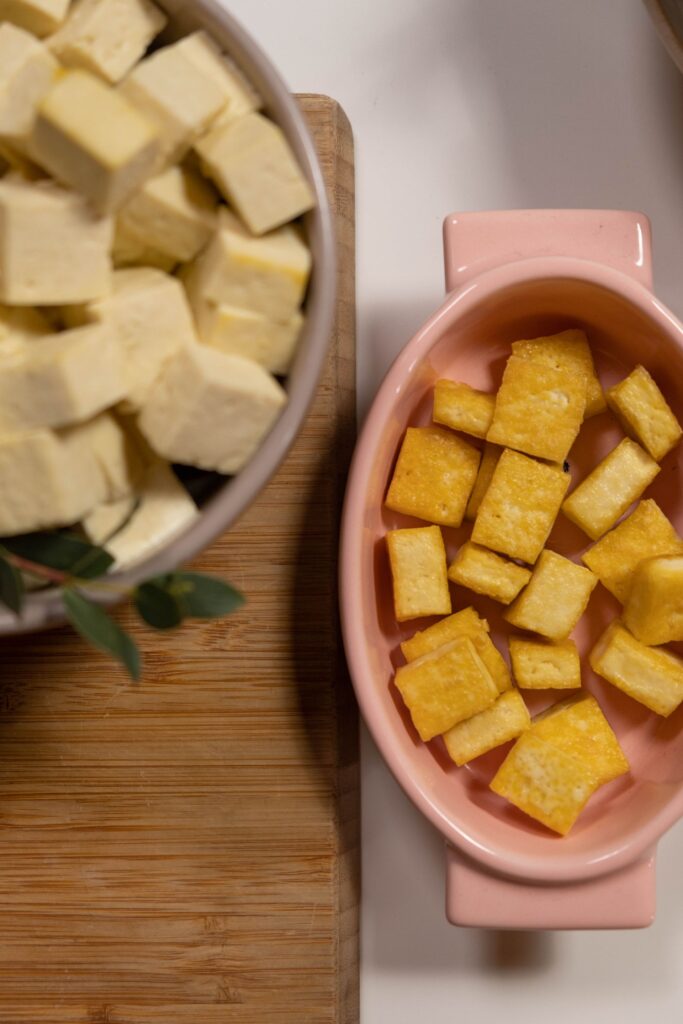
Plain tofu barely tastes of anything, which is both its biggest strength and its biggest trap. Cube it and warm it through and it will be bland. Press it, marinate it in soy sauce and garlic, then fry it until golden, and it soaks up flavour and gets a crisp crust. Smoked tofu is the exception, with a deep smoky flavour straight from the pack.
Tempeh: bold, firm and sometimes bitter
Tempeh has a firm bite that feels closer to nuts or meat than to cheese. The flavour is earthy, nutty and mushroomy.
Some people find it bitter, though. The fix is to simmer or steam it for ten minutes in salted water with a splash of soy sauce before marinating. The bitterness fades and the tempeh drinks up the marinade far better. No pressing needed, since tempeh holds much less water than tofu.
Tried tofu once and hated it?
Give it another go, differently. The usual culprit is bland, unseasoned tofu from a canteen, or cubes dropped into a salad with no marinade. For a second try, we suggest crispy pan-fried smoked tofu in a potato salad, or our tofu scramble. And if tofu really is not for you, tempeh is a completely different experience. Plenty of people who will not touch tofu love tempeh from the first bite.
Tofu or tempeh: which one for which dish
Use tofu when you want softness or creaminess, and tempeh when you want firm pieces and bold flavour. We put this table together from the recipes we cook on the blog.
| Dish | Best pick | Why |
|---|---|---|
| Scrambles, spreads, mayo | firm or soft tofu | mashes easily and takes on seasoning |
| Desserts, cheesecake, mousse, tiramisu | silken tofu | blends as smooth as cream |
| Schnitzel, stir-fry cubes | firm tofu | holds its shape and crisps up |
| Potato salad, bakes | smoked tofu | smoky flavour with no extra work |
| “Mince” for ragù, chilli, risotto | tempeh | crumbles into a mince-like texture |
| Carbonara, “bacon”, sandwiches | smoked tempeh | firm slices that do not fall apart |
| Barbecue and skewers | tempeh or firm tofu | both hold on the grill after marinating |
| Curries instead of paneer | firm tofu | same cubes, no dairy |
Our tofu and tempeh recipes
From our tofu recipes, start with a crispy tofu schnitzel and a silken tofu tiramisu, then browse our best tofu recipes. For tempeh, try our tempeh tomato rice, rice noodles with broccoli and tempeh or a vegan carbonara with smoked tempeh. Come summer, our guide on how to grill tofu and seitan has marinades for both. All our tempeh dishes are in one place in our tempeh recipes round-up.
The frozen tofu trick
Freeze a block of firm tofu, thaw it, and it changes. Ice crystals open up small pockets inside, some of the water runs out, and the tofu turns firmer, springier and spongier, so it soaks up marinade. Frozen and freeze-dried tofu have a long tradition in China and Japan, where freeze-dried koya-dofu is named after Mount Koya, whose Buddhist monks have long used it in their meat-free cooking. At home, freeze the block overnight, thaw it, squeeze gently and marinate. It is ideal for stews and stir-fries.
Can you swap one for the other? In sauces, stir-fries, on the grill and in sandwiches, yes, just expect a different flavour. Press firm tofu and marinate it for at least 30 minutes if it is replacing tempeh. Simmer tempeh for 10 minutes first if it is replacing tofu, so it is not bitter. In desserts and creamy dishes, tempeh cannot replace tofu.
What about seitan? The third option
Seitan is not soy at all, it is wheat protein (gluten). It has the most meat-like, chewy texture of the three and protein in the same range as tempeh, but people with coeliac disease or gluten sensitivity cannot eat it. For anyone avoiding soy, it is the main alternative to tofu and tempeh.
What seitan is and where it comes from
Seitan is made by washing the starch out of wheat flour until only stretchy gluten is left, which is then simmered in a seasoned broth.
Chinese cooking knows it as miàn jīn, “wheat tendon”, and the oldest known mention of wheat gluten dishes comes from a 6th-century Chinese agricultural encyclopedia, the Qimin Yaoshu. It is still widely eaten by Buddhist monks and in vegetarian restaurants across Asia. The word “seitan” is much younger. It was coined in 1961 by George Ohsawa, the Japanese founder of macrobiotics.
Seitan vs tofu vs tempeh: when to use which
Seitan works where you want a meaty texture, in stews, goulash, schnitzels or kebabs. A Czech seitan from Sunfood lists 18g of protein per 100g, similar to tempeh and firm tofu. Ready-made seitan is often seasoned with soy sauce and salt, though, so check the label. Choose tofu for softness and versatility, tempeh for bold flavour and fibre, and seitan for chew.
If you have seen tofu compared with paneer, note that paneer is a fresh Indian cheese made from cow’s or buffalo milk, so it is not vegan. In a curry, firm tofu replaces it beautifully. Salt it and fry it first.
What is tempeh? Everything you need to know
What tempeh is made of, why it can taste bitter, whether you can eat it raw and which UK supermarkets stock Tiba and Better Nature. It is all in our full guide to what tempeh is and where to buy it.
Who should pick tofu, and who should pick tempeh
For most people the best answer is to rotate both, but depending on your goals and health, one is worth reaching for more often. Here is our quick guide.
Athletes and anyone chasing protein
Plain tempeh has the most protein per 100g of the soy foods, plus fibre that keeps you full for longer. Firm and smoked tofu are right behind it. Both make sense for athletes, tempeh in main meals and smoked tofu as a quick snack straight from the pack.
If you are watching calories
Go for tofu, ideally plain firm or silken. Regular tofu has 76 kcal per 100g in the USDA data, plain tempeh 192 kcal and pre-fried smoked tempeh around 290 to 350 kcal. What matters most, though, is how much oil goes in the pan. Oven-baked tofu is lighter than tofu fried until golden.
Gluten-free diets and soy allergies
With coeliac disease, plain tofu and plain tempeh are fine, seitan is not. Watch the flavoured versions, as smoked and marinated products often contain soy sauce made with wheat. With a soy allergy it is the other way round. Skip tofu and tempeh and look at seitan, beans or tempeh made from other legumes, which some brands now sell.
Beginners and meat-eaters
For a first taste, we suggest smoked tofu, because it tastes good without any cooking. If you like strong flavours, nuts and mushrooms, try tempeh sliced and pan-fried with soy sauce. And if you are after a meat-like texture, you will probably love seitan most, in a stew for example. Our smoked tofu recipes show fifteen ways to use it.
What to look for when buying tofu, tempeh and seitan
Tofu is in the chiller of almost every supermarket, tempeh in a smaller range, and seitan most often as a ready-made product in the vegetarian section. With all three, read the label, because plain and flavoured versions differ more than tofu and tempeh differ from each other.
Tofu: plain, smoked or silken
The most common types are firm plain and smoked tofu in packs of around 180 to 280g. Silken tofu often comes in long-life cartons, sometimes outside the chiller in the world foods aisle. Go for smoked on your first try and plain for cooking from a recipe. And run the coagulant check if calcium matters to you.
Tempeh: plain or smoked
Plain tempeh contains just soybeans and a starter culture, with no salt or oil. Smoked and fried tempeh is ready to eat, but it is usually pre-fried and often contains soy sauce made with wheat, so check the label if you need it gluten-free. In the UK, the brands you will see most are Tiba and Better Nature. Stockists are covered in our tempeh guide.
Seitan: shop-bought or homemade
In shops you will find seitan as ready slices, strips or meals in jars. If you want control over the salt, make it at home from vital wheat gluten, which is sold as a powder in health food shops and online.
So, tempeh or tofu?
Buy both, and choose by dish, not by headline. The protein battle barely exists once you compare firm tofu with plain tempeh. The real differences are elsewhere. Tempeh brings fibre and bold flavour, tofu brings fewer calories and endless kitchen tricks. Calcium depends on the coagulant, and calories depend on whether the product has been through a fryer.
Read the label and you will choose well in any supermarket. And if you wrote tofu off once, give it a second chance with a proper marinade, or go straight to tempeh.
Which one do you prefer, and what do you cook with it most? Tell us in the comments, we love reading your tips.
Frequently asked questions
Is tempeh healthier than tofu?
Neither is clearly healthier. Tempeh has more protein and fibre because it is made from whole soybeans. Tofu has fewer calories and, if it is set with calcium sulphate, much more calcium. Both are healthy plant proteins as long as you pick plain versions over pre-fried ones.
Which has more protein, tempeh or tofu?
Tempeh has more protein, but only slightly more than firm tofu. Plain tempeh has 20.3g per 100g according to the USDA, firm tofu 17.3g. The “double the protein” claim only holds against soft tofu, which has about 8g.
Can I substitute tempeh for tofu?
Yes in sauces, stir-fries, on the grill and in sandwiches, though the dish will taste bolder. Simmer tempeh for ten minutes before marinating so it is not bitter. In desserts, creamy sauces and spreads, tempeh cannot replace tofu.
Does tofu raise estrogen?
No. A 2021 meta-analysis of 41 clinical studies found no effect of soy or isoflavones on estrogen or testosterone in men. Tofu and tempeh both contain isoflavones, but normal amounts do not change hormone levels. If you have a hormone-related condition or cancer, ask your doctor about soy.
Is seitan healthier than tofu or tempeh?
Seitan has a similar amount of protein to firm tofu and tempeh and is often lower in fat. It is made from wheat gluten, though, so it is not suitable for people with coeliac disease. Ready-made seitan can also be quite salty. For most people, rotating all three is the best approach.
Newsletter
Get our free e-books
Join the newsletter and download Our Vegan Christmas Kitchen straight away, 10 recipes for Czech cookies, gingerbread and vánočka. Then once a month, new places from the vegan map and new articles. Unsubscribe with one click.