Vegans and vegetarians, you don’t need to worry about protein deficiency. There are many delicious and nutritious plant-based foods that will provide everything your body needs. In this article, we’ll introduce you to the 7 best plant-based proteins, which will help you build a balanced and healthy diet.
So what are the best types of plant protein? How do you combine them? Why are they actually important? And how do plant proteins compare to animal ones?
What Are Plant-Based Proteins?
Plant-based proteins are proteins obtained from plant sources, as opposed to animal proteins, which come from meat, dairy products, and eggs. Although the composition of plant and animal proteins differs, both perform similar functions in the body.
Why Are Plant-Based Proteins Important?
Proteins are the fundamental building blocks of our bodies. They are essential for growth, tissue repair, the production of enzymes and hormones, and many other bodily functions. Plant-based proteins are an excellent source of essential amino acids that the body cannot produce itself and must obtain from food.
7 Best Plant-Based Protein Sources
Do you think protein is the exclusive domain of meat-eaters? Absolutely not! The plant kingdom offers an abundance of delicious and nutritious foods that will provide you with enough protein for building muscle, recovery, and an overall healthy life. Let’s take a look together at the 7 best plant-based protein sources that should feature in your diet.
The following foods are not ranked by protein content. You’ll find that below in a clear table.
1. Legumes
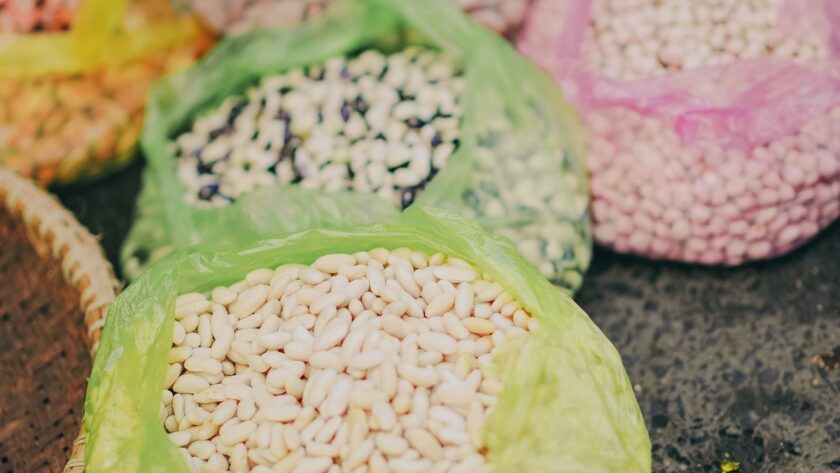
Black beans, lentils, chickpeas — these are just some of the many types of legumes that are literally packed with protein. They’re also an excellent source of fibre, iron, and other minerals. Legumes are not only nutritious but also very versatile. You can use them to make soups, stews, salads, or add them to various dishes as a meat substitute.
- Why they’re great: High in protein, fibre, and other nutrients; low in fat.
- Preparation tips: Cooked, stewed, sprouted, in soups, salads, curries.
- Recipes: Creamy lentil soup, chickpea pancakes, rice with crispy beans

2. Nuts and Seeds
Almonds, walnuts, chia seeds, flaxseeds — these are just some of the many types of nuts and seeds that are rich in protein, healthy fats, and other nutrients. You can add them to muesli, yogurt, salads, or use them to make nut butter.
- Why they’re great: High in protein, healthy fats, fibre, and vitamins.
- Preparation tips: As snacks, in muesli, yogurt, salads, nut butters.
- Recipes: Homemade rye bread, homemade bagels, almond butter

3. Tofu and Tempeh
Tofu and tempeh are made from soybeans and are particularly popular among vegans and vegetarians. Both products are rich in protein and have a neutral flavour, so you can easily add them to various dishes. Tofu is soft and easy to shape, while tempeh has a firmer texture and a stronger flavour.
- Why they’re great: High in protein, low in fat, versatile in the kitchen.
- Preparation tips: Fried, baked, grilled, in soups, salads, Asian dishes.
- Recipes: Tofu schnitzel, potato pancakes with smoked tofu, tomato rice with tempeh
If you’re interested in more tofu recipes, we have an article for you: Best tofu recipes.

4. Quinoa
Quinoa is not a grain but a pseudo-cereal, and it contains a complete protein, meaning it contains all essential amino acids. On top of that, quinoa is rich in fibre, vitamins, and minerals. You can prepare it as a side dish, add it to salads, or use it to make porridge.
- Why it’s great: Complete protein, high in fibre, pleasant flavour.
- Preparation tips: As a side dish, in salads, porridges, soups.

5. Seitan
Seitan is a plant-based protein made from wheat gluten. It has a meaty texture and is a great meat alternative. It’s high in protein and low in fat. You can use seitan in various recipes, such as steaks, chicken-style cutlets, or burgers.
- Why it’s great: High in protein, meaty texture, versatile in the kitchen.
- Preparation tips: Fried, baked, grilled, in soups, salads.

6. Hemp Seeds
Hemp seeds are not only rich in protein but also in healthy fats, fibre, and essential omega-3 and omega-6 fatty acids. You can add them to muesli, yogurt, smoothies, or use them to make hemp milk.
- Why they’re great: High in protein, healthy fats, fibre, and essential fatty acids.
- Preparation tips: In muesli, yogurt, smoothies, hemp milk.

7. Spirulina
Spirulina is a blue-green algae that is rich in protein, vitamins, minerals, and antioxidants. You can add it to smoothies, juices, or take it as a supplement.
- Why it’s great: High in protein, vitamins, minerals, and antioxidants.
- Preparation tips: In smoothies, juices, dietary supplements.
As you can see, plant-based protein sources are not only healthy and nutritious but also very tasty and versatile. With a little creativity, you can prepare countless delicious and healthy meals that will both satisfy your hunger and provide energy and vitality.

Plant-Based Proteins: Table
Want to know which plant foods are richest in protein? We’ve prepared a clear table to help you choose the most suitable sources for your plant-based diet.
Table: Best Plant-Based Protein Sources
| Food | Serving | Protein (g) |
|---|---|---|
| Tempeh | 100 g | 20.3 |
| Seitan | 100 g | 17.9 |
| Edamame | 120 g | 17.2 |
| Tofu (½ block) | 160 g | 16.3 |
| Kidney beans | 120 g | 10.4 |
| Nutritional yeast | 2 tbsp | 10 |
| Butter beans | 120 g | 9.4 |
| Hemp seeds | 28 g | 9 |
| Lentils | 100 g (cooked) | 9 |
| Chickpeas | 120 g | 8.4 |
| Oats | 50 g | 8 |
| Spirulina | 2 tbsp | 8 |
| Whole wheat bread | 2 slices | 8 |
| Peanut butter | 2 tbsp | 7 |
| Almond butter | 2 tbsp | 7 |
| Soy milk | 100 ml | 3.5 |
How to read the table:
- Food: The name of the food that is a protein source.
- Serving (g): The serving size for which the protein amount is given.
- Protein (g): The amount of protein in the stated serving.
As you can see, plant foods can be an excellent source of protein. Whether you’re vegan, vegetarian, or simply want to include more plant foods in your diet, this table can be useful when planning your meals.
Note: Values in the table are indicative and may vary depending on the specific brand and preparation method.
How to Combine Plant-Based Proteins
It’s important to be aware that not all plant foods contain all essential amino acids. It’s therefore advisable to combine different sources of plant-based protein throughout the day to ensure you’re getting all the amino acids you need. For example, you could have oatmeal with chia seeds for breakfast, a lentil salad with tofu for lunch, and seitan skewers with quinoa for dinner.
Combinations that work well:
- Legumes + grains (e.g. rice, quinoa)
- Nuts + seeds + fruit
- Tofu + vegetables
- Tempeh + potatoes
Plant-based protein sources are an excellent alternative for vegans, vegetarians, and anyone who wants to increase the proportion of plant foods in their diet. Thanks to their variety and nutritional value, plant proteins can contribute to a balanced and healthy diet.
Complete Plant-Based Proteins
Many people believe that plant proteins are “incomplete” because they don’t contain all nine essential amino acids in the optimal ratio. This is true for some individual foods, but with a varied diet rich in different plant protein sources, getting all the necessary amino acids is not a problem.
By combining different plant foods throughout the day, you’ll ensure you get all essential amino acids. For example, combining legumes (lentils, beans) with grains (rice, quinoa) or nuts and seeds with fruit will give you a complete protein.
Plant Proteins vs. Animal Proteins
The debate about whether plant or animal proteins are better has been going on for a long time. Both sources have their advantages and disadvantages. Let’s take a closer look at them.
Plant-Based Proteins
Plant proteins are found in a wide variety of foods, such as legumes, nuts, seeds, tofu, tempeh, and more. In addition to protein, these foods are rich in fibre, vitamins, minerals, and antioxidants.
Advantages of plant-based proteins:
- Lower in saturated fat and cholesterol: which reduces the risk of cardiovascular disease.
- High fibre content: supports healthy digestion and a feeling of fullness.
- Rich in antioxidants: help protect cells from damage.
- Fewer calories: usually contain fewer calories than animal proteins.
Animal Proteins
Animal proteins are found in meat, fish, eggs, and dairy products. They are considered complete proteins because they contain all the essential amino acids the body needs.
Advantages of animal proteins:
- Complete amino acid profile: easier for the body to utilise.
- High biological value: the body can use them efficiently.
Comparing Plant and Animal Proteins
| Criteria | Plant-Based Protein | Animal-Based Protein |
|---|---|---|
| Saturated fat | Low | High |
| Cholesterol | Zero | High |
| Fiber | High | Low |
| Vitamins & minerals | Rich | Lower |
| Antioxidants | Rich | Lower |
| Calories | Lower | Higher |
Specific Comparison: Tofu vs. Chicken
Plant-based proteins are not only comparable to animal ones, they even surpass them in some respects. They’re an excellent alternative for those who want to reduce their intake of saturated fats and cholesterol while increasing their fibre and other beneficial nutrient intake.
| Criteria | Tofu | Chicken (white meat) |
|---|---|---|
| Protein (per 100g) | 15g | 23g |
| Fat (per 100g) | 4g | 13g |
| Saturated fat (per 100g) | 0.5g | 2g |
| Cholesterol (per 100g) | 0mg | 85mg |
| Iron (per 100g) | 3mg | 1.3mg |
| Calcium (per 100g) | 150mg | 12mg |
| Fiber (per 100g) | 5g | 0g |
Both types of protein have their place in nutrition. The key difference is that plant proteins come packaged with additional benefits: fibre, antioxidants, and a lower environmental footprint. Animal proteins offer completeness and high bioavailability. A well-planned plant-based diet can deliver everything the body needs.
Best Vegan Protein Powder
The market for vegan protein powders is full of different brands and flavours, which can make choosing the right one a little tricky. So how do you pick the best vegan protein for your needs?
What to Look For When Choosing
- Protein source: Pea, rice, hemp, or soy protein are the most common. Each has its specific properties and advantages.
- Amino acid profile: The ideal vegan protein should have as complete an amino acid profile as possible, meaning it contains all essential amino acids the body can’t produce itself.
- Additives: Avoid products with added sugar, artificial sweeteners, and other unwanted substances.
- Allergens: If you have a food allergy (e.g. to soy), choose a protein without that ingredient.
- Flavour: Vegan proteins come in various flavours, so you can choose according to your preference.
Most Common Plant-Based Protein Sources in Protein Powders
- Pea protein: Easily digestible, hypoallergenic, often combined with other protein sources.
- Rice protein: Hypoallergenic, mild flavour, but lower in some essential amino acids.
- Hemp protein: Complete amino acid profile, rich in omega-3 fatty acids.
- Soy protein: High biological value, but may trigger allergies.
How to Choose the Right Vegan Protein Powder
- Define your goals: Do you want to build muscle, lose weight, or improve overall fitness? Each goal requires a slightly different approach to nutrition.
- Consider your lifestyle: If you’re an athlete, you’ll need more protein than someone with a sedentary lifestyle.
- Consult a professional: If you’re unsure which vegan protein to choose, consult a nutritionist or doctor.
Tips for incorporating vegan protein into your diet:
- Smoothies: Add a spoonful of vegan protein to your favourite smoothie.
- Oatmeal: Upgrade your porridge by stirring in vegan protein.
- Baking: Use vegan protein in place of some of the flour when baking.
- Homemade protein bars: Make your own protein bars using vegan protein, nuts, and fruit.
Choosing the right vegan protein is individual and depends on your specific needs and preferences. Don’t be afraid to experiment and try different brands and flavours to find the one that suits you best.

Protein Deficiency
Many people think vegans are protein deficient. But is that really the case? The truth is that even without consuming meat, dairy, or eggs, we can get plenty of protein through plant-based sources. Protein deficiency in vegans is more of a myth than reality, as long as the diet is varied and balanced.
Why Is Adequate Protein Intake Important?
Proteins are essential for:
- Building and repairing tissues: Muscles, skin, hair — everything is made from protein.
- Producing enzymes and hormones: These substances regulate many bodily processes.
- Strengthening the immune system: Proteins are important for fighting infections.
What Are the Symptoms of Protein Deficiency?
If the body doesn’t get enough protein, the following symptoms may appear:
- Fatigue: Proteins are a source of energy.
- Loss of muscle mass: Muscles break down without sufficient protein.
- Weakened immune system: The body becomes more susceptible to infections.
- Growth and development disorders: In children, protein deficiency can affect growth and development.
How to Ensure Adequate Protein Intake on a Plant-Based Diet
- Combine different protein sources: Throughout the day, consume various plant foods rich in protein, such as legumes, nuts, seeds, tofu, tempeh, and quinoa.
- Plan your meals: Create a meal plan that includes adequate protein.
- Supplements: If you’re concerned about not getting enough protein, you can consider a vegan protein powder.
Protein deficiency isn’t an issue that affects all vegans. If you eat a varied and balanced diet rich in plant-based proteins, you can be confident that you’re getting everything your body needs.
For more on vegan nutrition, read our complete guide to vitamin B12 on a vegan diet. And if you are looking for recipe ideas to put your protein sources to work, check out our best tofu recipes for vegan lunch and dinner.
Frequently Asked Questions
How much protein do I need a day?
An adult needs about 0.8 g of protein per kilogram of body weight per day, which is roughly 56 g for someone weighing 70 kg. Athletes and older adults need more.
Are plant proteins complete?
Some are. Soy (tofu, tempeh) and quinoa contain all the essential amino acids. Other sources simply need combining over the day, for example pulses with grains. They do not have to be in the same meal.
Do vegans need protein powder?
No, as long as you eat a varied diet and enough of it. Protein powder is a handy extra for athletes or busy days, but pulses, tofu, tempeh, seitan, nuts and seeds cover your needs.
Which plant food has the most protein?
Per 100 g, seitan, soybeans, hemp seeds and lentils are among the richest. For everyday cooking, tofu and tempeh are the easiest high-protein options.
Featured photo: Min An, Pexels.
Newsletter
Get our free e-books
Join the newsletter and download Our Vegan Christmas Kitchen straight away, 10 recipes for Czech cookies, gingerbread and vánočka. Then once a month, new places from the vegan map and new articles. Unsubscribe with one click.