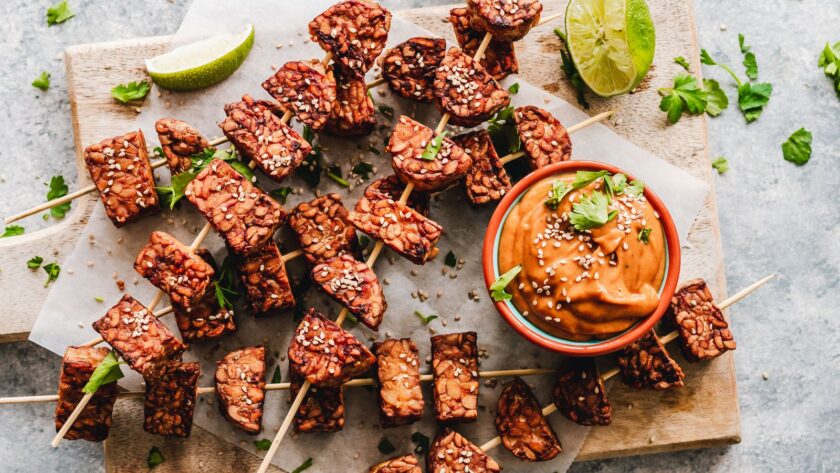
You’ve probably walked past it in the chiller next to the tofu. A firm, beige block with whole soybeans showing through, usually for a few pounds. So what is tempeh, how do you cook it, and why do some people love it while others take one bite and give up? Tempeh is a fermented soybean cake from the Indonesian island of Java, and it’s one of the most useful plant proteins you can keep in your fridge. You just need to know how to treat it.
We have several tempeh recipes on the blog, and the same questions keep coming up.
What is tempeh made of? What does it taste like, and why is it sometimes bitter? Can you eat tempeh raw, straight from the pack? Is it actually healthy, or just trendy? And which supermarkets sell it, Tesco or Sainsbury’s? We answer all of it below, with figures from checked sources and stockists as of November 2026.
This is for everyone. For vegans who want to cook tempeh better, and for meat-eaters who are simply curious what that block in the chiller is. Nobody is getting a lecture here. We’d just like to save you from the classic first attempt, a bitter, chewy slice that ends up in the bin.
What is tempeh made of?
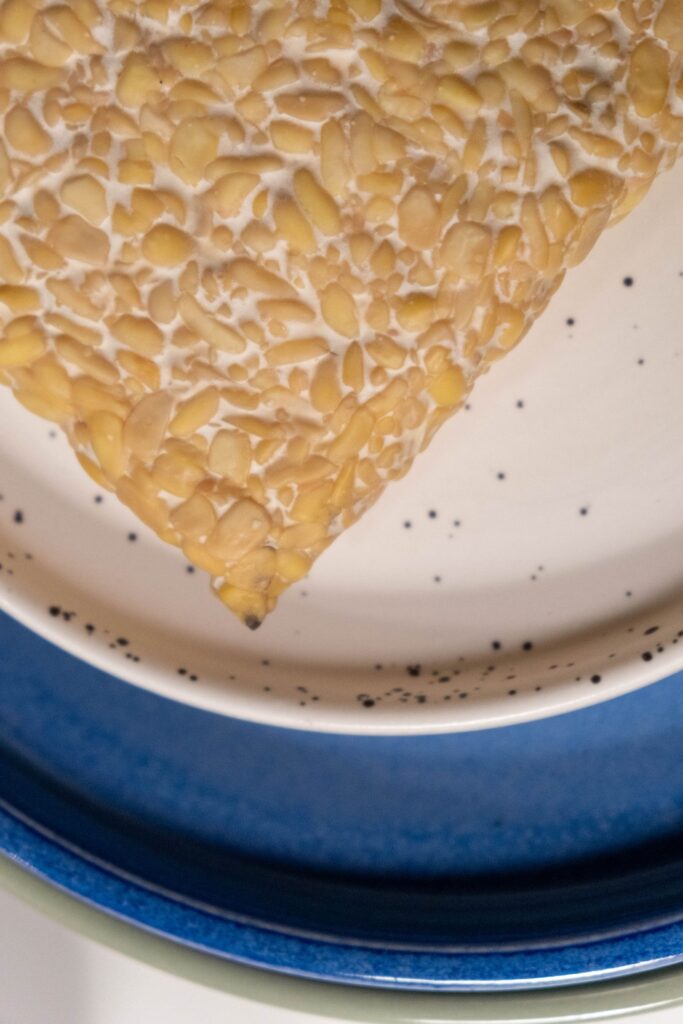
Tempeh is a traditional Indonesian food made from cooked whole soybeans that are bound together by a mould from the Rhizopus family. Over roughly one to two days, the mould knits the beans into a firm, sliceable block with a chewy texture and a nutty flavour. You can fry it, bake it, grill it or crumble it like mince. It’s pronounced “tem-pay”, to rhyme with satay.
Mould might not sound appetising, but you’ve probably eaten something similar. The white bloom on brie and camembert is a different mould doing a similar job. In tempeh, that white, fluffy layer (the mycelium) is what holds the beans together as one piece. Without it you’d just have a pile of cooked soybeans.
The ingredients
Classic tempeh has just three ingredients. They are soybeans, water and a starter culture, which is spores of Rhizopus oligosporus or Rhizopus oryzae. Tiba Tempeh, a London brand, lists exactly that trio and says it ferments its tempeh slowly over three days, using organic soybeans from Canada.
Shops also sell variations. Smoked and marinated tempeh have added oil, soy sauce, spices or sugar. Some brands make tempeh from other beans, grains or lentils, which matters if you’re avoiding soy. Always check the label, because a few products mix in grains that contain gluten.
How tempeh is made
Making tempeh takes about two days and is simpler than it sounds. The soybeans are soaked overnight, dehulled and cooked. They’re dried, mixed with the starter culture and a splash of vinegar, then spread in a thin layer in perforated bags or trays and kept warm. The mould likes about 26 to 34°C, ideally around 32°C, and commercial production usually takes 24 to 36 hours.
The finished block is firm and covered in white mycelium. In Indonesia, tempeh was traditionally fermented in leaves, which carry the mould naturally onto the beans. You can make tempeh at home with starter bought online, but you’ll need steady warmth (a yoghurt maker or an oven with just the light on) and some patience. For a first try, buying it is far easier.
Tempeh vs tofu, in brief
Tempeh and tofu both come from soybeans, but they’re made in completely different ways. Tofu is made from soy milk that’s curdled and pressed, much like making cheese from milk. Tempeh uses the whole bean, which is fermented rather than ground. That’s why tempeh is coarser, firmer and higher in fibre, while tofu is smooth and nearly flavourless on its own. We compare protein, calcium and taste in detail in our tofu and tempeh comparison.
In the kitchen, tofu suits creamy sauces, scrambles and dips. Tempeh doesn’t fall apart, so it’s better for sandwich slices, the barbecue or crumbling into a ragù. We’re working on a full tempeh vs tofu comparison. If you’re already a tofu fan, start with our best tofu recipes.
What does tempeh taste like?
Plain tempeh tastes mildly nutty, a little earthy like mushrooms, with a hint of cooked beans. Some blocks have a slightly tangy or cheesy note from fermentation. On its own it’s fairly quiet, and it only really shines with a marinade, spices and a hot pan. People who try it raw from the pack are usually disappointed.
Why tempeh can taste bitter
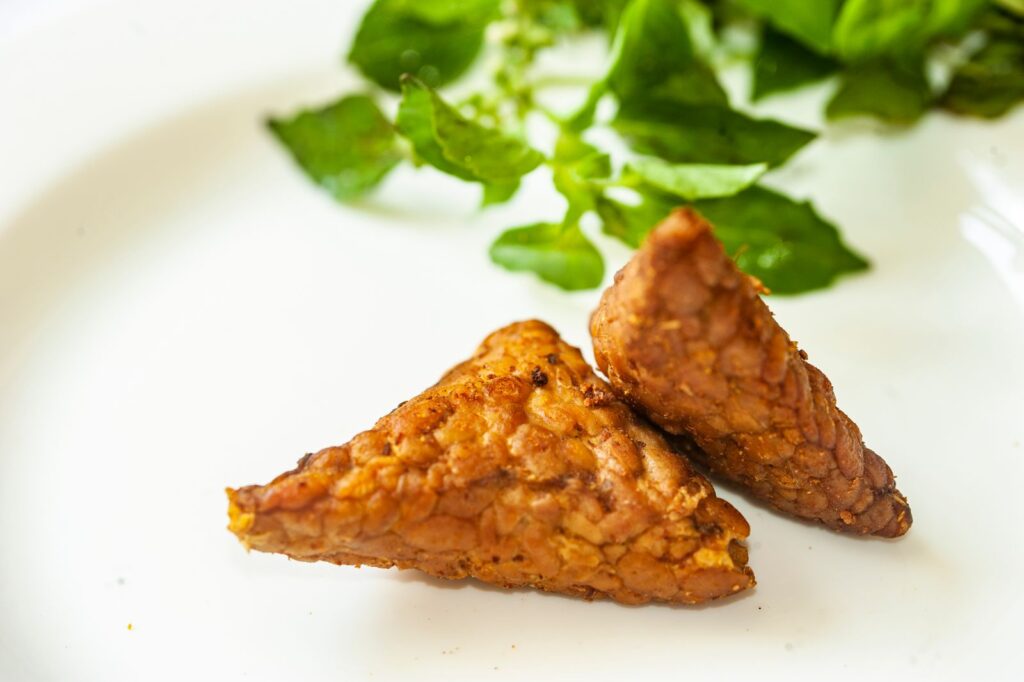
Bitterness is the number one reason people give up on tempeh. It mostly shows up in plain tempeh that’s simply sliced and briefly fried, and it varies by brand and age. The good news is that you can almost get rid of it.
Just steam or simmer the tempeh for 10 to 15 minutes before marinating. Vegan Food & Living recommends around ten minutes of boiling or steaming, and BBC Good Food notes that cooking reduces the bitterness and helps tempeh absorb flavour. The tempeh softens slightly, loses its edge and soaks up a marinade far better.
Our bitterness fix: Cut the block into slices or cubes, drop them into boiling salted water with a tablespoon of soy sauce, and simmer for 10 minutes. Drain, pat dry with a tea towel, then marinate. Skip this step for smoked or marinated tempeh, which are already seasoned.
Dark spots and white fluff
Grey or black spots on a tempeh block are a normal part of fermentation, not a sign it’s gone off. Tiba says so directly on its FAQ page. The white fluff is the mould that holds the block together. The warning signs are a strong ammonia smell, a slimy surface, or coloured mould (pink or green). If you see those, throw it out.
Is tempeh healthy? Tempeh nutrition and protein
Tempeh is one of the most nutritious plant proteins you can buy. According to USDA FoodData Central, 100g of plain tempeh has 192 kcal and 20.3g of protein. That’s more than firm tofu and not far off raw chicken breast (22.5g per 100g). Soy is also a complete protein, so it contains all nine essential amino acids.
Watch the difference between plain and flavoured tempeh, though. Smoked and fried tempeh are usually pre-fried in oil, so they carry roughly half as many calories again and about double the fat. We worked this out from two European smoked and fried tempeh labels.
| Per 100g | Plain tempeh | Smoked or fried tempeh | Firm tofu |
|---|---|---|---|
| Energy | 192 kcal | about 290 kcal | 144 kcal |
| Protein | 20.3g | 17–20g | 17.3g |
| Fat | 10.8g | 19–21g | 8.7g |
| Carbohydrate | 7.6g | 10–11g | 2.8g |
| Calcium | 111mg | not listed | 683mg |
| Iron | 2.7mg | not listed | 2.7mg |
| Magnesium | 81mg | not listed | 58mg |
Source: USDA FoodData Central (tempeh 174272, firm tofu set with calcium sulphate 172475), plus smoked and fried tempeh labels via Open Food Facts. Tofu’s high calcium comes from the calcium sulphate used to set it.
Protein, fibre and your gut
Tempeh is filling thanks to its mix of protein and whole-bean fibre. Fermentation also breaks down some of the complex sugars that make beans famously windy, so many people find tempeh easier to digest than chickpeas or kidney beans. It’s a good fit for anyone training or simply wanting more plant protein. For other options, see our roundup of the best plant-based protein sources.
Is tempeh a source of vitamin B12?
Don’t rely on tempeh for vitamin B12. Traditional Indonesian tempeh can contain small amounts, made by bacteria that tag along with the mould. Most Western producers use a pure mould culture, though, and the B12 in their tempeh is negligible. USDA lists just 0.08µg per 100g. Vegans should keep getting B12 from a supplement or fortified foods.
Who should be careful
Tempeh is safe and healthy for most people. Anyone with a soy allergy should avoid it, or look for a soy-free tempeh made from other beans. If you have a thyroid condition, check with your doctor about how much soy suits you, although studies suggest normal amounts have little effect on thyroid function. And if you avoid gluten, read the label. Plain soybean tempeh is gluten-free, but smoked and marinated versions often use soy sauce made with wheat.
Tempeh isn’t a substitute for anything. It’s a food Indonesians have eaten for centuries, and it tastes best when you let it be itself.
Where to buy tempeh in the UK
Most big UK supermarkets now stock tempeh, usually in the chilled plant-based section next to the tofu. The two brands you’ll see most are Better Nature and Tiba. Tiba’s whole range is organic, and Better Nature’s plain Original block is certified organic. Health food shops and online grocers carry more choice, including The Tofoo Co. and imported brands. Plain blocks are the most versatile, and pre-marinated pieces are the easiest start.
| Supermarket | Brands reported | What to look for |
|---|---|---|
| Tesco | Better Nature | Organic Tempeh, Smoky Tempeh, Peri Peri, Mediterranean and Curry Pieces |
| Sainsbury’s | Tiba | Original Tempeh Block, Sweet Chilli Pieces, Smoky Block |
| Asda | Better Nature | the only tempeh brand in Asda, per Better Nature (Aug 2025) |
| Morrisons | Tiba | listed since October 2024 |
| Waitrose | Tiba | Tiba in 200+ stores since spring 2025 |
| Ocado | Better Nature, Tiba | widest online range |
| Planet Organic, Whole Foods | Better Nature and others | plain and flavoured blocks |
Based on brand stockist pages and trade press. Ranges change and not every store carries every line, so check the supermarket’s app before you go.
Tempeh at Tesco
Tesco stocks Better Nature tempeh in store and online. Better Nature lists its Organic Tempeh, Smoky Tempeh, Mediterranean Tempeh Pieces, Peri Peri Tempeh and Curry Tempeh Pieces in Tesco’s chilled plant-based or protein section. In August 2025 the company said its Organic Tempeh was the best-selling tempeh line in Tesco.
Tempeh at Sainsbury’s
Sainsbury’s is where you’ll usually find Tiba. The brand launched its Original Tempeh Block and Sweet Chilli Marinated Tempeh Pieces into more than 400 Sainsbury’s stores in 2024, according to the trade magazine vegconomist. Tiba is also sold through Ocado, arrived in Morrisons in October 2024, and launched three lines (including a new Smoky Block at £3 for 220g) in more than 200 Waitrose stores in spring 2025.
Tiba vs Better Nature
Tiba and Better Nature are the two names behind the UK’s tempeh boom. Tiba reported a 736% rise in retail sales value in the year to February 2025, based on NielsenIQ data. Better Nature reported 128% year-on-year growth in the second quarter of 2025 and calls itself the UK’s number one tempeh brand by volume. Both lean on the same pitch, a short ingredient list and minimal processing. Taste-wise, try both and see which texture you prefer.
Which tempeh to buy first: If you’re new to tempeh, start with a smoked or marinated one. It’s seasoned, it isn’t bitter and it only needs a quick fry. Save the plain block for when you have ten minutes to simmer and marinate it. The reward is more flavour and less fat.
How to cook tempeh
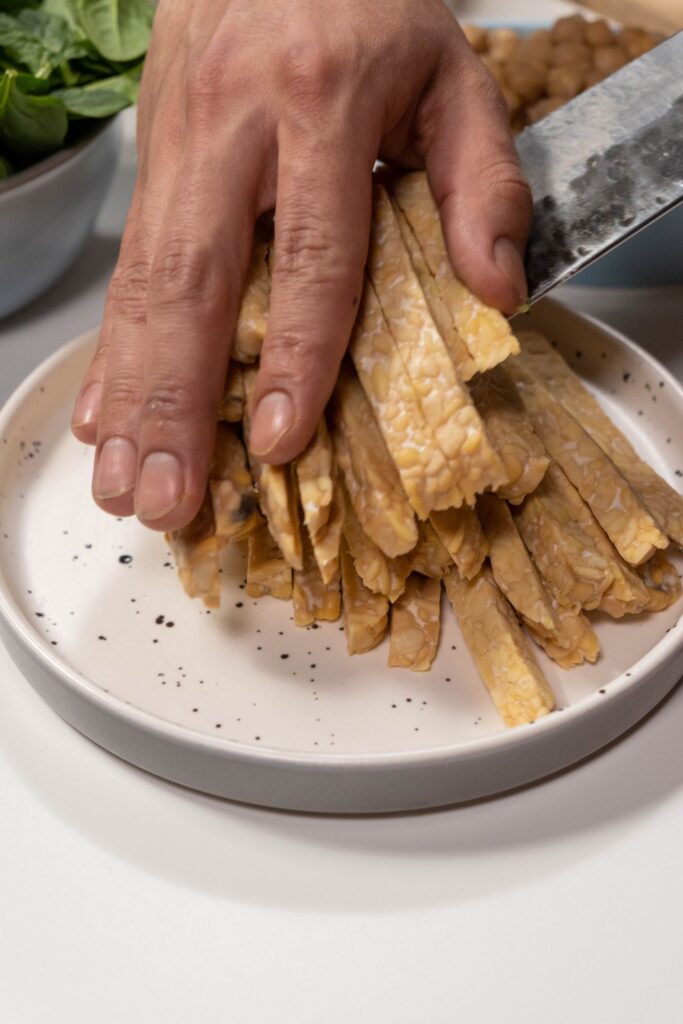
There are four easy ways to cook tempeh. You can pan-fry it, bake it, air-fry it or crumble it like mince. With plain tempeh, always start by simmering or steaming it for 10 to 15 minutes; skip that with smoked tempeh. Unlike tofu, tempeh doesn’t need pressing, as it holds very little water.
A simple tempeh marinade
Tempeh soaks up a marinade best straight after simmering, while it’s still warm. The base is easy. Mix 3 tablespoons of soy sauce, 1 tablespoon of maple syrup or agave, 1 tablespoon of oil, a crushed garlic clove and a teaspoon of smoked paprika. Leave the tempeh in it for at least 30 minutes, or overnight in the fridge. For an Asian twist, add ginger and lime; for a bacon-style version, add more smoked paprika.
Pan, oven or air fryer
In a pan, fry slices over a medium heat in a little oil for about 3 to 4 minutes per side, until golden. In the oven, bake cubes on baking paper at 200°C (180°C fan) for 20 to 25 minutes, turning halfway. In an air fryer, 10 to 12 minutes at 190 to 200°C with a shake halfway is plenty. The thinner the slices, the crispier they get.
Tempeh as mince
Grated or crumbled tempeh makes a great mince swap. Fry it with onion until golden, then add tomatoes, spices and herbs. It works in a bolognese, chilli, tacos or stuffed peppers. Here the bitterness hardly matters, because the sauce covers it. Smoked tempeh is also brilliant on the grill, and we share more ideas in our post on how to grill tofu, seitan and more.
Can you eat tempeh raw?
Most packaged supermarket tempeh is pasteurised, so it’s safe to eat without cooking (check the pack). Better Nature says you technically can eat it raw but recommends cooking it, and BBC Good Food advises cooking tempeh unless the pack says it’s already cooked. Raw tempeh also tastes bitter and dense, so give it at least a quick fry. Tiba’s marinated pieces are an exception the brand says you can eat straight from the pack.
Storage: Wrap opened tempeh tightly and use it within a few days. Unopened, it keeps until the date on the pack. Tempeh also freezes well. Tiba says up to three months; defrost it in the fridge, then cook as usual.
Tempeh recipes to start with
The best way to get to know tempeh is to cook something you already like. Tempeh works in rice, noodles, bakes and pasta. These are our favourites, all vegan.
For a quick lunch, try our tempeh tomato rice, ready in 25 minutes. If you love Asian flavours, go for rice noodles with broccoli and tempeh, which are gluten-free if you use tamari. For a comforting weekend dinner there’s a potato bake with béchamel and tempeh. And when you fancy Italian, smoked tempeh stands in for pancetta in our vegan carbonara with smoked tempeh.
Tempeh in British comfort food
Tempeh slots easily into familiar dishes. Crispy smoked tempeh strips work in a full English, a BLT-style sandwich with avocado, or crumbled over jacket potatoes. Crumbled plain tempeh makes a hearty base for cottage pie or a slow-cooked chilli. If someone at your table eats meat, this is a gentle first step. Tempeh has real bite, and nobody feels like they’re eating “diet food” when it’s in a rich sauce.
All seven of our tempeh dishes, three marinades and the Czech classics where it replaces smoked meat are in our tempeh recipes round-up. Tempeh bacon is on the way.
What can I use instead of tempeh?
Smoked tofu is the closest swap for tempeh, with a similarly firm texture and ready-made flavour. Where you crumble tempeh, soy mince, lentils or finely chopped mushrooms work well. For slices and the barbecue, seitan (made from wheat protein) is a good alternative, though it isn’t suitable on a gluten-free diet.
If you’re replacing tempeh because of a soy allergy, look for a soy-free tempeh made from other beans or lentils. It behaves much the same in the kitchen.
Where tempeh comes from: eating it in Indonesia
Tempeh comes from the Indonesian island of Java, where it has been an everyday protein for centuries. In Indonesia it’s spelt “tempe” and sold at every market, traditionally wrapped in banana leaves. Indonesia has nominated tempeh for UNESCO’s intangible cultural heritage list. The “Culture of Tempe” nomination is on the agenda of UNESCO’s committee session in Xiamen, China, from 30 November to 5 December 2026.
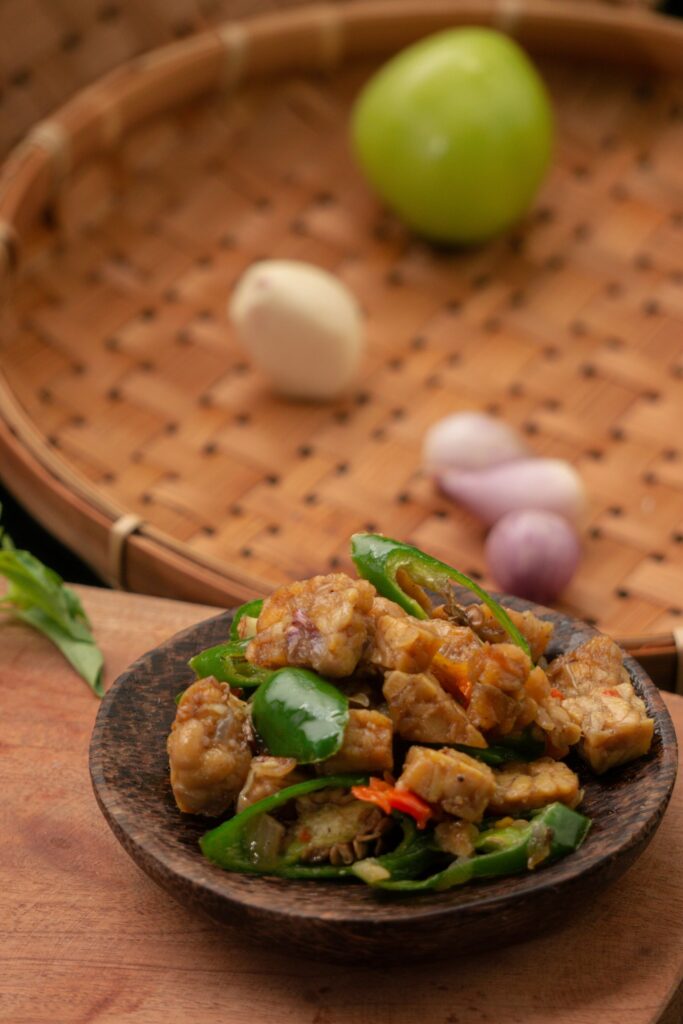
What is tempeh to Indonesians?
For Indonesians, tempeh is ordinary everyday food, not a “superfood”. The Jakarta Post describes it going from street stalls to presidential plates. The national cookbook Mustika Rasa, compiled under President Sukarno in the 1960s, includes at least 30 tempeh recipes. Sukarno reportedly preferred tempe bacem. It’s cheap and filling, which is why it’s one of the most common sources of protein on Java.
Indonesian tempeh dishes
The most common way to eat tempeh in Indonesia is coated in spiced batter and fried. A well-known Central Javanese version is tempe mendoan, thinly battered and flash-fried so it stays soft. Tempe bacem is tempeh braised in palm sugar with spices, sweet and juicy. Tempe orek is tempeh stir-fried with chilli until sweet-savoury and crunchy. These basics are usually plant-based, but watch the sambal.
What to ask at a warung
Indonesian sauces and sambals often contain terasi, a shrimp paste you won’t see on the plate. At a warung (a small local eatery) it’s worth asking. If you’re planning a trip, read about the best time to visit Bali, with checked vegan restaurants in Ubud and Canggu.
| English | Indonesian | Say it like |
|---|---|---|
| I’m vegan. | Saya vegan. | sa-ya vegan |
| No meat or chicken, please. | Tanpa daging dan ayam, ya. | tan-pa da-ging dan a-yam, ya |
| No fish or prawns. | Tanpa ikan dan udang. | tan-pa ee-kan dan oo-dang |
| No shrimp paste. | Tanpa terasi. | tan-pa te-ra-see |
| No egg. | Tanpa telur. | tan-pa te-loor |
| Fried tempeh | Tempe goreng | tem-pay go-reng |
Bali for vegans
The island next door to tempeh’s birthplace has entire streets of vegan cafés. When to go, where to stay and how to dodge shrimp paste are all in our Bali article.
Is tempeh worth trying?
Yes, but give it a fair chance. Most people who dislike tempeh ate it plain, raw or barely fried. Ten minutes of simmering, a short soak in a marinade and a proper golden fry turn it into a different food.
Start with a smoked or marinated pack from Better Nature or Tiba, stir it into rice or a carbonara, then graduate to a plain block with your own marinade. For a few pounds you get 20g of protein per 100g and a food with centuries of history behind it. Over to you. Have you tried tempeh yet, and if so, which marinade or recipe would you recommend to us?
Frequently asked questions
What is tempeh made of?
Tempeh is made from cooked whole soybeans, water and a starter culture of Rhizopus mould, which binds the beans into a firm block during fermentation. Some brands make tempeh from other beans, lentils or grains, and flavoured versions add oil, soy sauce and spices.
What does tempeh taste like?
Plain tempeh tastes mildly nutty and earthy, a little like mushrooms, with a slightly tangy note from fermentation. Some blocks taste bitter if cooked too briefly. Simmering it for 10 to 15 minutes and marinating it gives a much more savoury, rounded flavour.
Can you eat tempeh raw?
Most packaged tempeh is pasteurised, so it is technically safe to eat raw. It tastes bitter and dense uncooked, though, so brands and cooks recommend at least a quick fry. Pre-marinated pieces, such as Tiba’s, are ready to eat straight from the pack.
Is tempeh healthier than tofu?
Tempeh has more protein and fibre than tofu, with 20.3g of protein per 100g against 17.3g in firm tofu. It also has more calories and fat. Tofu set with calcium sulphate is much higher in calcium, so both have a place in a healthy diet.
Does Tesco sell tempeh?
Yes. Tesco stocks Better Nature tempeh in store and online, including the Organic, Smoky, Peri Peri, Mediterranean and Curry ranges. Sainsbury’s sells Tiba, and Asda, Morrisons and Ocado also carry tempeh.
Newsletter
Get our free e-books
Join the newsletter and download Our Vegan Christmas Kitchen straight away, 10 recipes for Czech cookies, gingerbread and vánočka. Then once a month, new places from the vegan map and new articles. Unsubscribe with one click.