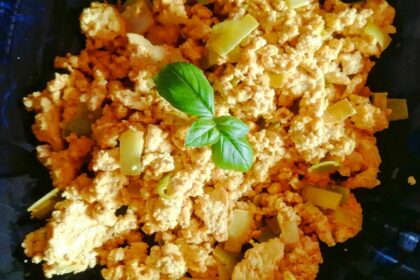
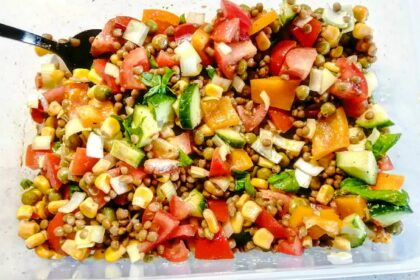
No yeast bread is the bread you can bake today, without a sachet of yeast, without proving and without a warm corner of the kitchen. Over the years eight of our recipes have quietly turned out to need no yeast at all. There is a seeded rye loaf, an oat loaf made from blitzed porridge oats, protein bagels, four-ingredient tortillas, two-ingredient red lentil flatbreads, chickpea pancakes and two sweet banana loaves. Every one of them is fully vegan, so there is no buttermilk, no eggs and no butter, which is exactly where most no yeast recipes online quietly rely on dairy.
So what makes bread rise when there is no yeast in it? Which loaf is closest to a proper sandwich bread, and which one is quickest to make? Does the nutritional yeast in some of our recipes count as yeast? Is sourdough really yeast-free? And how do you swap the buttermilk out of an old family soda bread recipe? We answer all of it below, with exact ingredients, nutrition per piece and how long each bread keeps.
No yeast bread at a glance: all 8 vegan recipes compared
The table compares our eight no yeast bread recipes by type, what makes each one rise and the nutrition per piece. The values come straight from the nutrition tables on each recipe page and are approximate.
| Bread | Type | What makes it rise | Makes | Calories | Protein |
|---|---|---|---|---|---|
| Rye bread without yeast | loaf | 1 sachet baking powder | 12 slices | 150 to 165 kcal | 6 to 8 g |
| Oat bread | loaf | 1 sachet baking powder | 10 slices | 205 kcal | 8 g |
| Protein bagels | rolls | 1 sachet baking powder | 8 bagels | 275 kcal | 15 g |
| Homemade tortillas | flatbread | nothing (unleavened) | 8 tortillas | 240 kcal | 5 g |
| Red lentil flatbreads | flatbread | nothing (unleavened) | 4 servings | 340 kcal | 22 g |
| Chickpea pancakes | flatbread | half a sachet baking powder | 2 servings | not listed | not listed |
| Banana bread | sweet loaf | baking powder + baking soda | 10 slices | about 245 kcal | 8 g |
| Banana gingerbread | sweet loaf | 1 sachet gingerbread baking powder | 12 slices | 195 kcal | 3 g |
Of the breads with nutrition figures, the red lentil flatbreads carry the most protein, at 22 g a serving. The tortillas are the fastest in the pan, at under a minute per side. The oat bread and the rye bread are the two to bake if you want slices for sandwiches all week.
How does bread rise without yeast?
Bread without yeast rises on carbon dioxide made by baking powder or baking soda, or it does not rise at all and stays flat. Yeast is a living organism that eats sugar and slowly releases gas, which is why yeasted dough needs an hour or more to prove. Baking powder and baking soda release the same gas through a chemical reaction instead, in minutes, as soon as they meet liquid and the heat of the oven.
Baking powder or baking soda: what is the difference?
Baking soda is pure sodium bicarbonate, and it only works when the dough also contains an acid. As King Arthur Baking explains, that acid can be lemon juice, vinegar, yogurt, buttermilk, maple syrup or natural cocoa. Baking powder is bicarbonate with the acid already mixed in, so it works with plain water. That is why six of our eight breads use baking powder, and only the banana bread adds a little baking soda on top.
Out of baking powder? King Arthur gives a simple swap. A quarter teaspoon of baking soda plus half a teaspoon of lemon juice or white vinegar replaces one teaspoon of baking powder.
Does nutritional yeast make bread rise?
Nutritional yeast does not make bread rise, because it is deactivated yeast. The yellow flakes are dead yeast cells, sold purely for their savoury, slightly cheesy flavour (Wikipedia describes it as a deactivated yeast, often a strain of Saccharomyces cerevisiae). Our red lentil flatbreads and chickpea pancakes both use a spoonful of it for flavour. They are still yeast-free breads in every sense that matters to the dough.
Is sourdough bread yeast-free?
Sourdough is not yeast-free. A sourdough starter has no added baker’s yeast. It rises on wild yeast that lives in the starter alongside lactic acid bacteria (King Arthur’s sourdough pages talk about feeding the starter’s wild yeast). If you are avoiding yeast for health reasons, sourdough is not the answer. If you simply have no yeast in the cupboard, sourdough works, but a starter takes days to build. The eight breads below are ready the same day.
No yeast loaves: seeded rye and oat bread
Our two no yeast loaves are the rye bread and the oat bread, and both are mixed in a bowl with a spoon, poured into a tin and baked. Neither needs kneading or proving. Both slice cleanly once they have cooled, so they work for sandwiches and toast in a way most quick breads do not.
1. Vegan rye bread without yeast
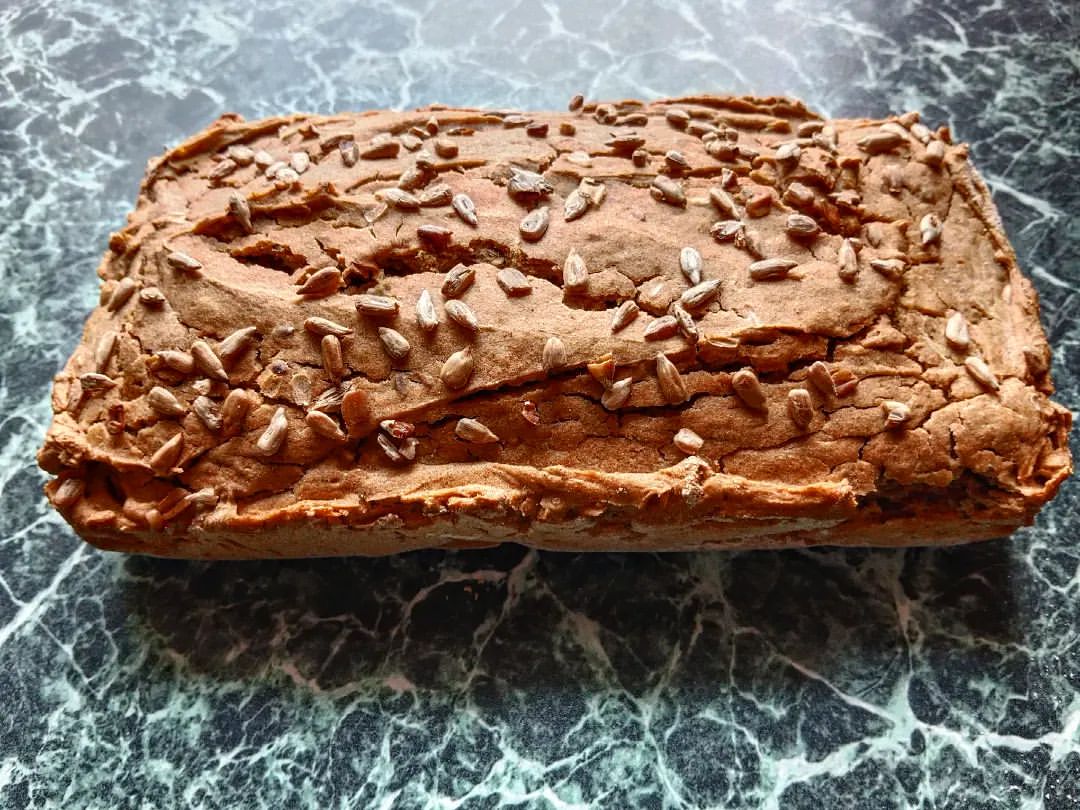
The rye bread is the closest thing to a dark Central European loaf that can be made without a sourdough starter. The dough is 400 g of wholegrain rye flour, 350 ml of water, a little olive oil, ground flaxseed, sunflower and pumpkin seeds, salt and one sachet of baking powder. An optional 30 g of sunflower protein powder lifts the protein without changing the taste.
Rye dough is thick and sticky, and it should stay that way. Stir it only until it comes together, then smooth it into the tin with a wet spatula. Bake at 190 °C for about 50 minutes. The loaf is done when the bottom sounds hollow when tapped.
Let the rye bread cool for at least 30 minutes before slicing. Kept in a cloth bag, it lasts 4 to 5 days. The full method is in our vegan rye bread without yeast.
2. Vegan oat bread
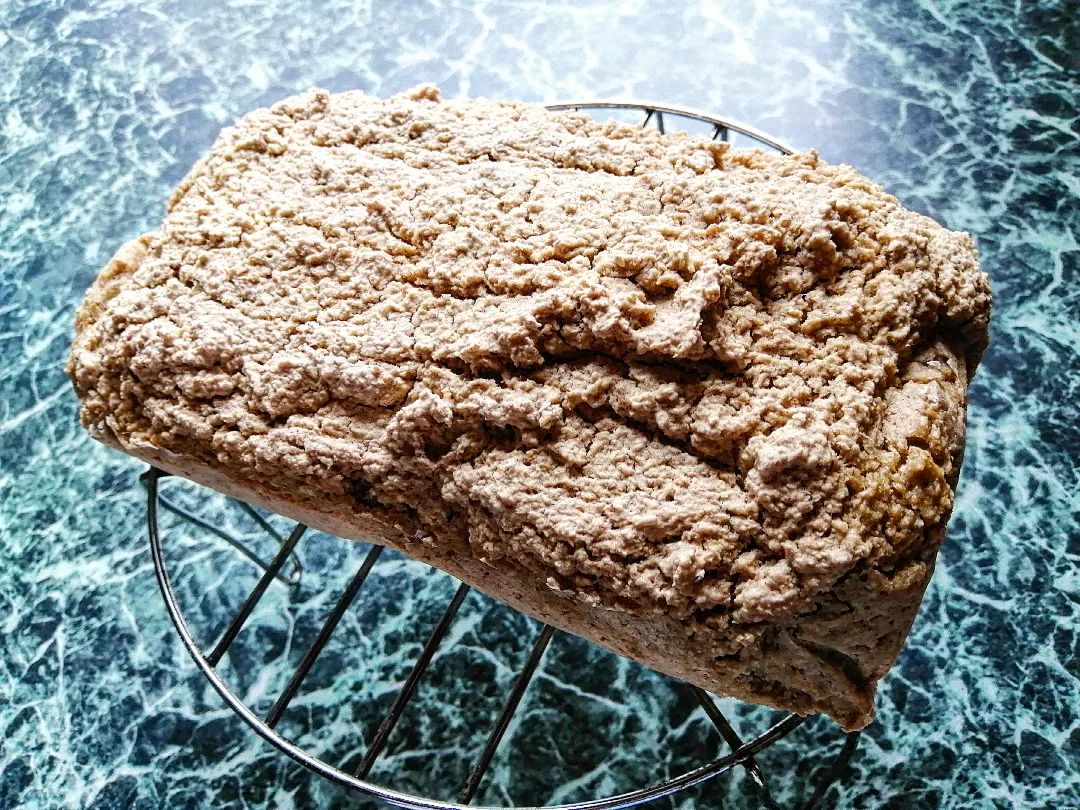
The oat bread is made from 500 g of rolled oats blended into flour, so you do not need a bag of bread flour at all. Mix the oat flour with a sachet of baking powder, salt, caraway, sunflower and pumpkin seeds, add 500 ml of warm water and pour it into a lined tin. Bake at 180 °C for 30 minutes under foil, then another 30 minutes uncovered.
One slice has 205 kcal, 8 g of protein and 6 g of fibre. Grind the oats finely for a finer crumb, or leave some coarse for more bite. Wrapped in a tea towel, the loaf keeps 3 to 4 days, and slices go straight from the freezer into the toaster. Everything else is in our vegan oat bread recipe.
What “one sachet” means: our recipes were developed with Czech baking powder, which comes in 12 g sachets, each meant for half a kilo of flour. Outside Central Europe, baking powder usually comes in a tub, so weigh out 12 g wherever a recipe says “1 sachet” (except the banana gingerbread, whose sachet is 20 g of spiced gingerbread baking powder).
No yeast bagels: vegan protein bagels
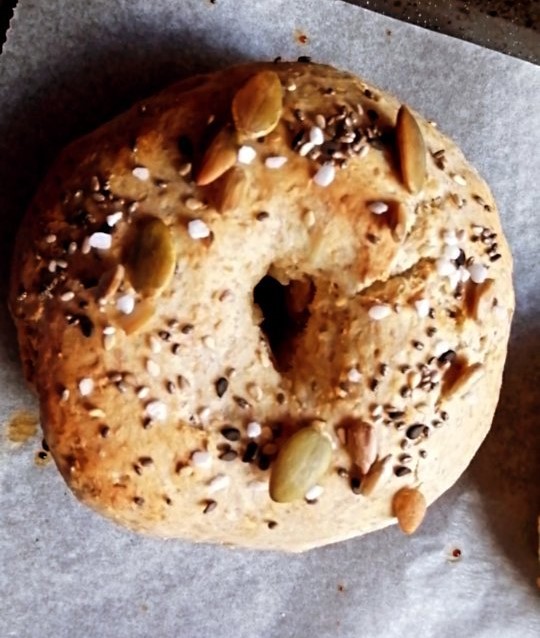
Our protein bagels are rolls made without yeast and without the boiling step of a classic bagel. The dough is 500 g of wholewheat flour and 400 g of plant-based Greek-style yogurt. Add 75 g of sunflower protein, a sachet of baking powder, salt and a teaspoon of coconut sugar. The yogurt makes the dough soft and slightly tangy, a little like a soda bread roll.
Divide the dough into eight and roll each piece into a ball. Flatten it, poke a hole through the middle with a chopstick or your finger, then stretch it into a ring. Brush the rings with water mixed with a little chicory or maple syrup, sprinkle with seeds and bake at 200 °C for about 30 minutes. Each bagel has 275 kcal and 15 g of protein, which makes them a very good breakfast before a long travel day. The shaping is explained step by step in our vegan protein bagels.
No yeast flatbreads: tortillas, red lentil and chickpea
Flatbreads are the simplest no yeast breads, and they need nothing more than a hot pan. Two of our three are unleavened, with no raising agent at all. The third, the chickpea pancake, uses half a sachet of baking powder for a lighter texture.
3. Homemade vegan tortillas
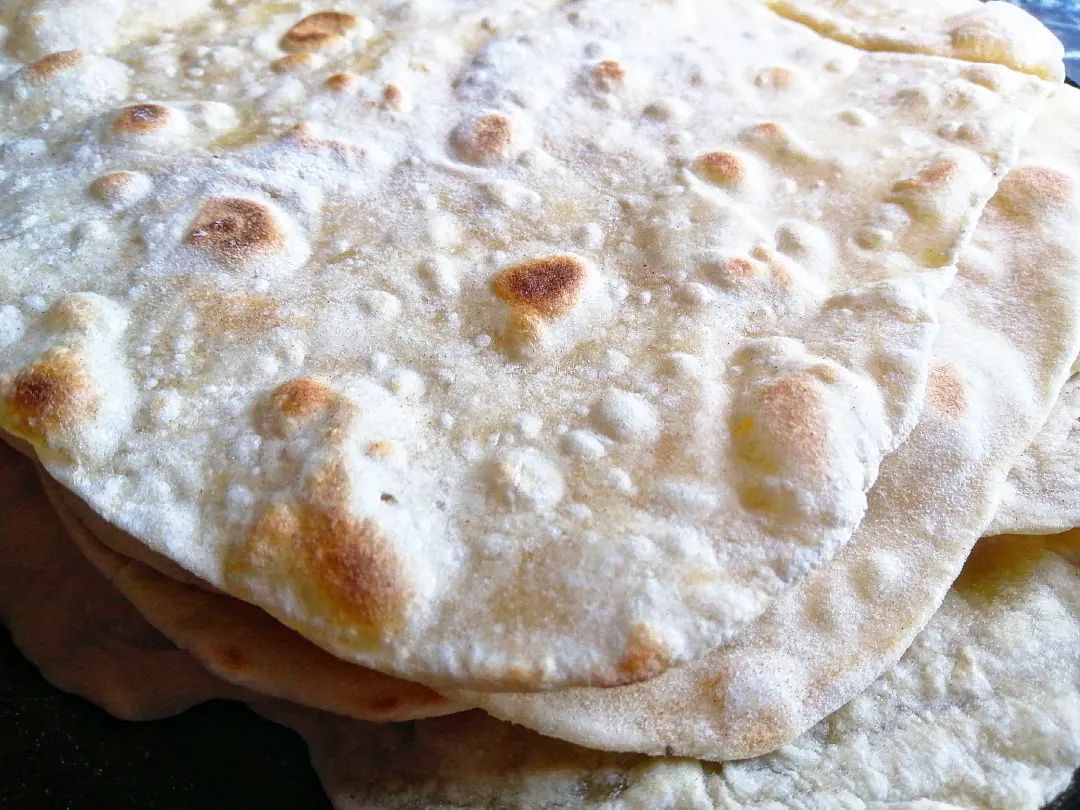
The tortillas take four ingredients, namely 400 g of plain flour, 200 ml of lukewarm water, 4 tablespoons of olive oil and 2 teaspoons of salt. Knead for about five minutes until smooth, rest the dough for 10 to 15 minutes under a tea towel, then divide it into eight and roll each piece thin. Cook them in a hot, dry pan for 30 to 45 seconds a side, until they bubble and brown in spots.
One tortilla has 240 kcal. They are the bread we would pick for a self-catering apartment with a bare kitchen, because flour, oil and salt are sold everywhere. The recipe page is homemade vegan tortillas.
4. Two-ingredient red lentil flatbreads
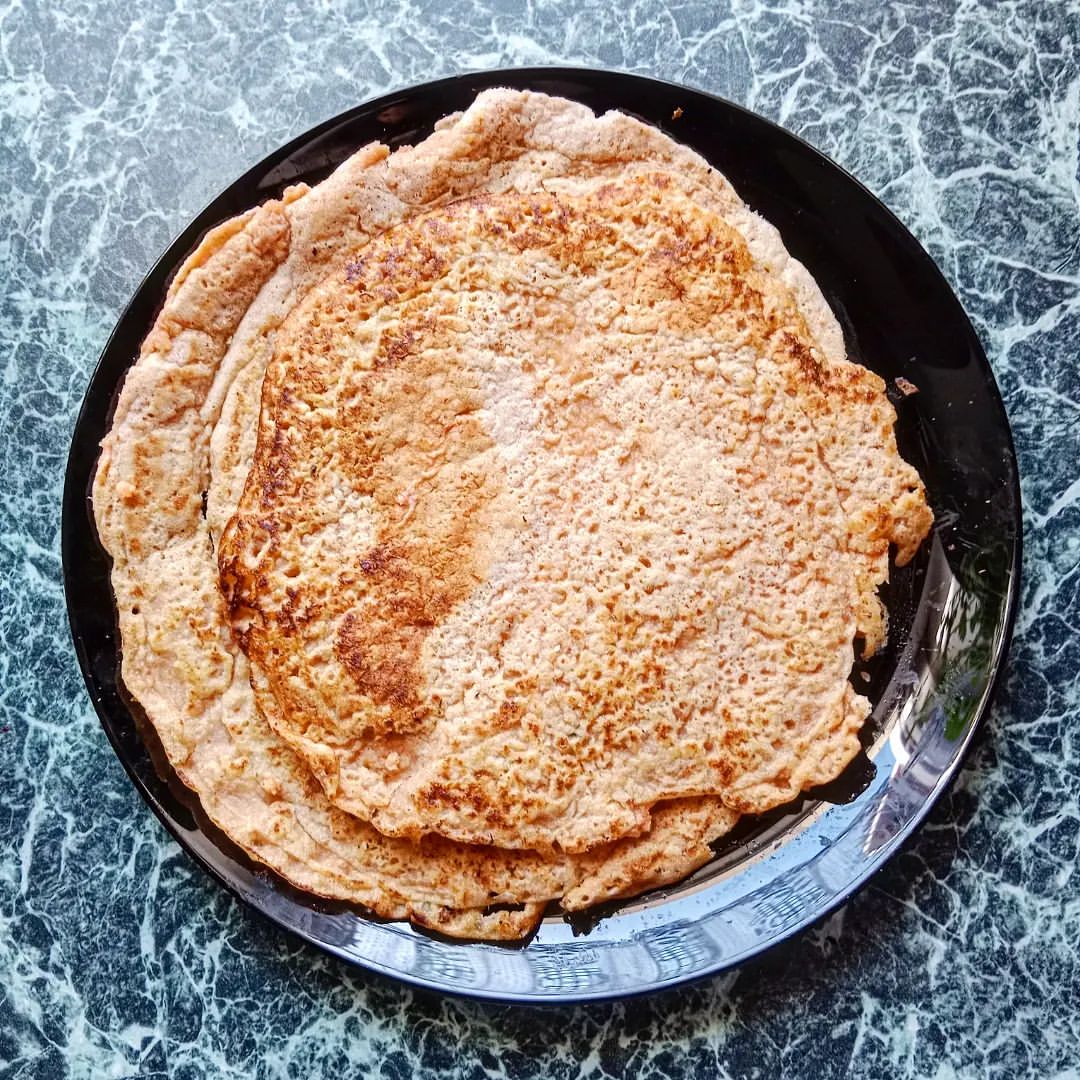
The red lentil flatbreads are made from two cups of red lentils and two cups of water, blended into a batter and fried in a lightly oiled pan. Herb salt, dried garlic, black pepper and a little nutritional yeast season the batter. There is no flour at all, so the flatbreads contain no wheat.
A serving has 340 kcal, 22 g of protein and 14 g of fibre, more protein than any other bread here with a nutrition table. Use them as a wrap, a side for soup or a base for hummus and roasted vegetables. On our site they live under the name vegan lentil patties.
5. Vegan chickpea pancakes with spinach
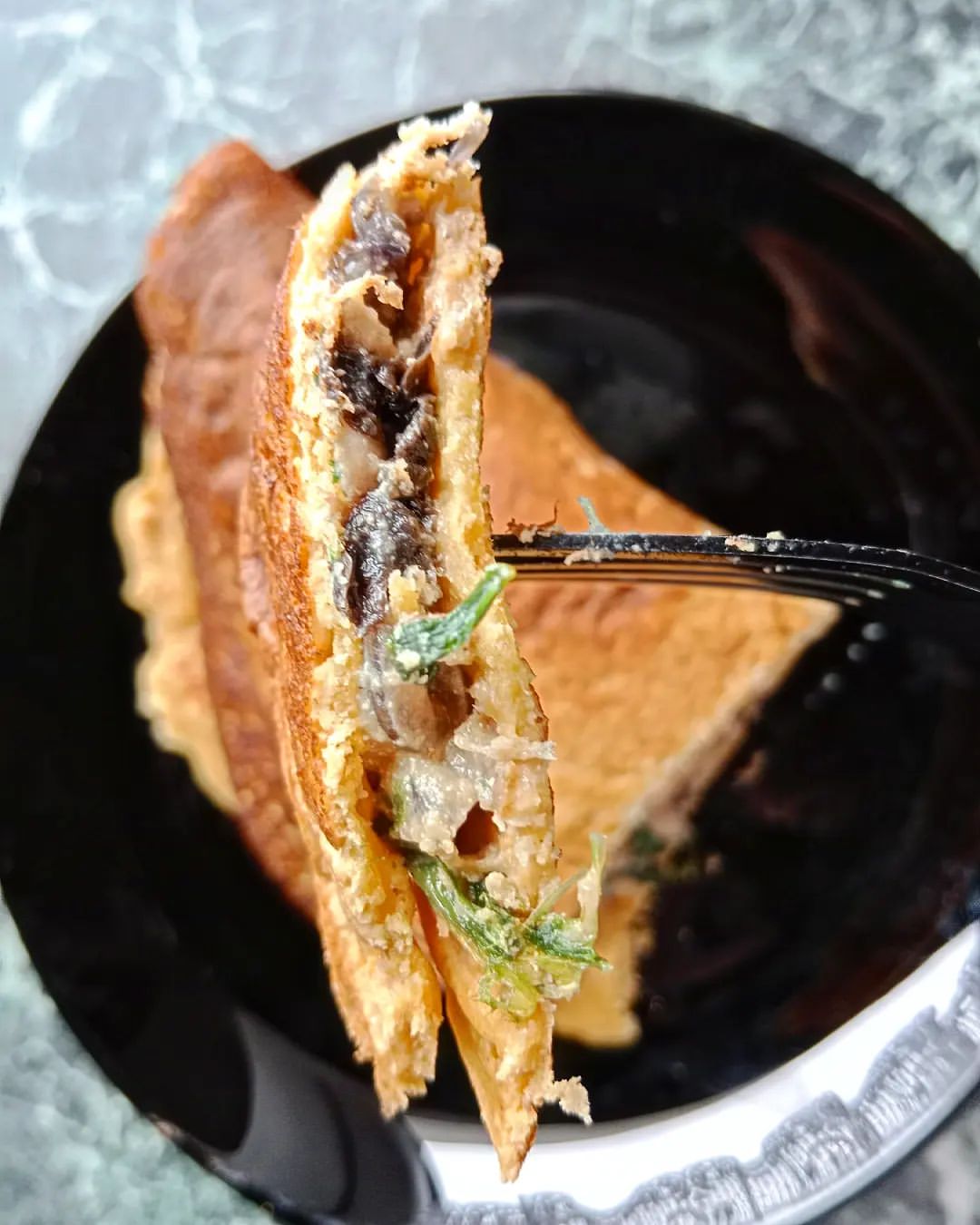
The chickpea pancakes are a savoury flatbread made from 200 g of chickpea flour, 300 ml of water and 20 ml of olive oil. Salt, garlic powder, nutritional yeast and half a sachet of baking powder complete the batter. Rest the batter for 5 to 10 minutes, then cook the pancakes in a non-stick pan until golden on both sides. The first one is always a test, so do not worry if it looks rough.
Spread them with hummus and fill them with spinach, red onion and mushrooms fried with a splash of soy sauce. Like the lentil flatbreads, they are made without wheat flour. The filling and method are in our vegan chickpea pancakes with spinach.
Yeast is only one way to make bread. Flour, water and a hot pan made bread long before anyone sold yeast in a sachet.
Sweet no yeast bread: banana bread and banana gingerbread
Our two sweet no yeast breads are quick breads, loaves that rise on baking powder and bake straight away. Both use ripe bananas instead of eggs, which keeps them moist, and the banana bread needs no added sugar at all apart from the chocolate.
6. Vegan banana bread with chocolate and protein
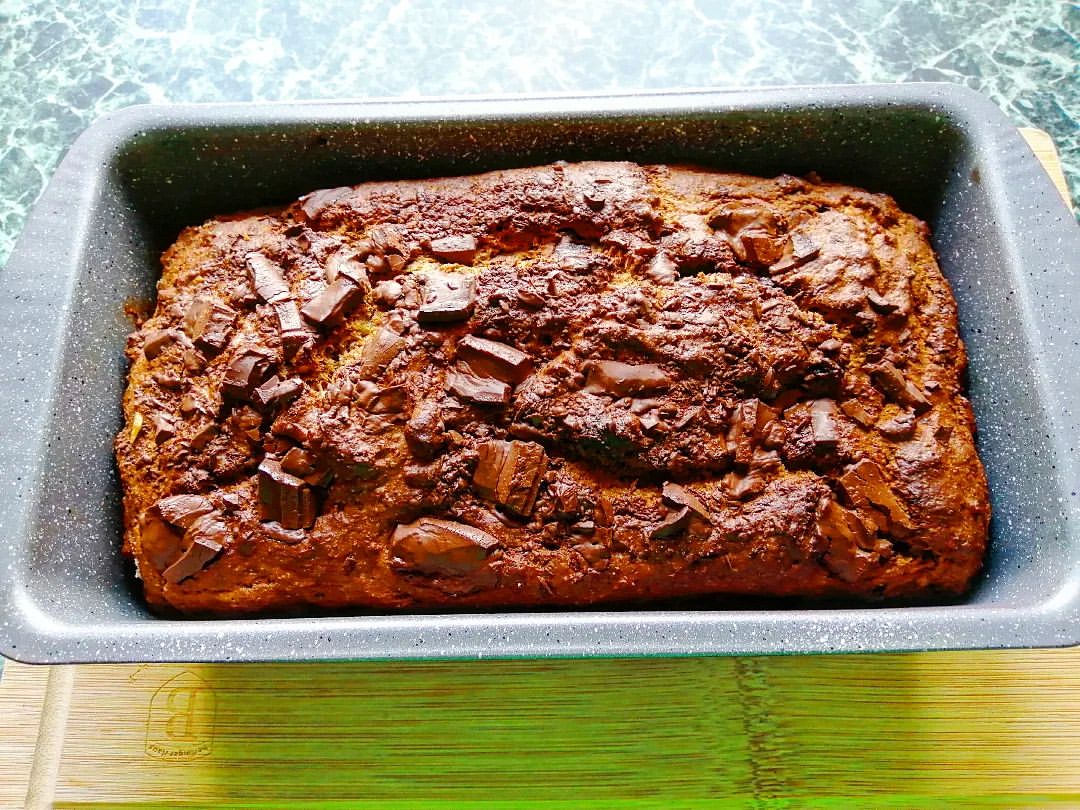
The banana bread is mashed from three ripe bananas, a cup and a half of wholewheat flour, melted coconut oil, plant milk and 50 g of vanilla protein powder. It is the only recipe here that uses both baking powder and baking soda. Fold in chopped nuts and half of the 80 g of dark chocolate, scatter the rest on top and bake at 180 °C for 40 to 50 minutes.
The hardest part is the wait. Let the loaf cool for at least three hours before slicing, or the middle will feel gummy. The recipe is our vegan banana bread with chocolate and protein.
7. Vegan banana gingerbread
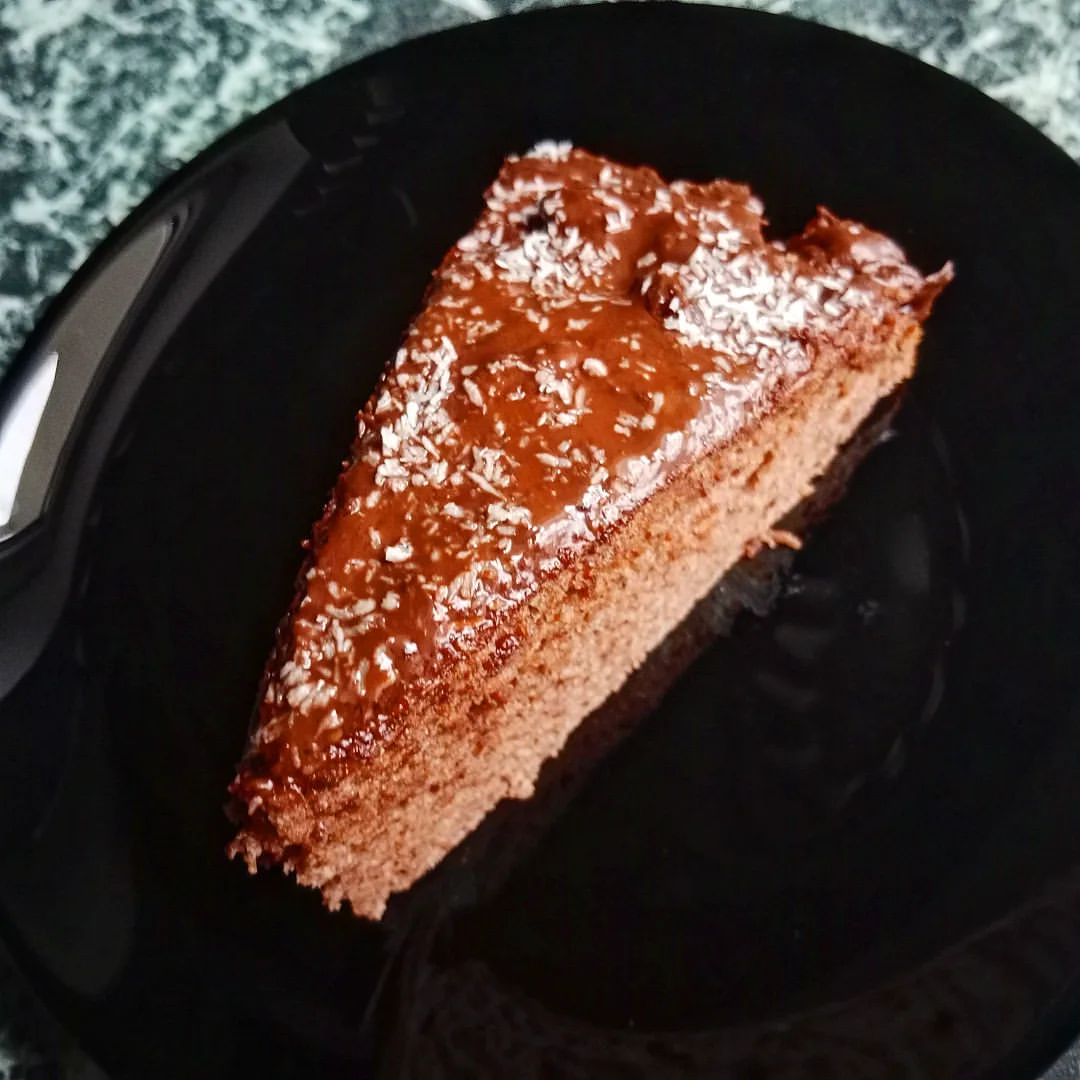
The banana gingerbread is a Czech-style perník, a soft spiced loaf, made with blended bananas, plain flour, chicory syrup, plant milk, vegan butter, cocoa and gingerbread spice. It rises on a sachet of gingerbread baking powder, a raising agent sold in Czech supermarkets specially for perník. We have only baked it with that sachet, so if you use regular baking powder instead, treat it as an experiment. Bake it at 180 °C for about 30 minutes, spread it with jam, then pour over dark chocolate melted with a spoon of Lotus Biscoff spread.
A slice has 195 kcal. Overripe bananas give the best moisture, and the chicory syrup can be swapped for maple syrup or agave in the same amount. The whole method is in our vegan banana gingerbread.
Tip for non-vegans: if you are baking for people who are wary of vegan food, start with the banana bread. Nobody misses the eggs in a moist chocolate loaf, and most people only find out it is vegan when you tell them.
Which no yeast bread recipe should you bake?
The best no yeast bread recipe depends on what you need it for. Sandwiches call for a loaf, a quick lunch calls for a flatbread, and a weekend treat calls for a banana loaf. The table matches each situation to one of our recipes.
| You want | Bake this | Why |
|---|---|---|
| Slices for sandwiches all week | Rye bread without yeast | keeps 4 to 5 days in a cloth bag |
| A loaf with no bread flour in the house | Oat bread | made from blended rolled oats |
| Bread on the table in well under an hour | Tortillas | 10 to 15 minutes resting, under a minute per side in the pan |
| The most protein | Red lentil flatbreads | 22 g protein per serving, the highest of the breads with listed nutrition |
| Bread without wheat flour | Red lentil flatbreads or chickpea pancakes | lentils or chickpea flour only |
| A filling breakfast roll | Protein bagels | 15 g protein per bagel |
| Something sweet for guests | Banana bread or banana gingerbread | no eggs needed, bananas do the binding |
How to make a no yeast bread recipe vegan
Most no yeast bread recipes you will find online are versions of soda bread, and soda bread is traditionally made with buttermilk. Soda bread is a quick bread raised with bicarbonate of soda, and its classic ingredients are flour, bicarbonate, salt and buttermilk. Variations exist far beyond Ireland, including the flat Polish soda breads called proziaki in the Podkarpacie region, just across the border from Slovakia.
Replacing buttermilk, eggs and butter
Buttermilk does two jobs in a soda bread, adding liquid and adding the acid that baking soda needs. So the vegan swap has to do both. Plant milk brings the liquid, and a spoon of lemon juice or vinegar brings the acid. The table covers the swaps that come up most often in no yeast recipes.
| In the original recipe | Vegan swap | Where we use it |
|---|---|---|
| Buttermilk | plant milk soured with lemon juice or vinegar | any soda bread recipe |
| Greek yogurt | plant-based Greek-style yogurt | protein bagels |
| Eggs in a sweet loaf | ripe mashed bananas | banana bread, banana gingerbread |
| Butter | coconut oil or vegan butter | banana bread, banana gingerbread |
| Cheese for flavour | nutritional yeast | lentil flatbreads, chickpea pancakes |
Tips for better no yeast bread
Most problems with no yeast bread come from cutting too early or handling the dough like yeasted dough. These breads are not kneaded for structure and not left to prove. Once baking powder is wet, it starts working, so the dough should go into the oven soon after mixing.
Why is my no yeast bread gummy in the middle?
A gummy middle in no yeast bread usually means the loaf was cut while still warm. Quick breads keep setting as they cool. The rye bread needs at least 30 minutes on a rack and the banana bread at least three hours. Rye bread is naturally moister inside than wheat bread, so if the bottom sounds hollow when tapped, a slightly damp crumb is normal.
Storing and freezing
Store the rye and oat loaves in a cloth bread bag or a clean tea towel at room temperature, not in plastic, which softens the crust. The rye bread lasts 4 to 5 days and the oat bread 3 to 4 days. The banana bread is the exception, and keeps 2 to 3 days in an airtight container. For anything longer, slice the loaf as soon as it has cooled and freeze the slices, so you can toast them one at a time.
Travel tip: the protein bagels and slices of the rye bread travel well in a tea towel or a sealed bag for a train or plane day. On a self-catering trip, the tortillas are the easiest bread to make from scratch, because flour, oil and salt are sold in every supermarket in the world.
What to serve with no yeast bread
The savoury no yeast breads are best with a spread or next to a bowl of soup. Our vegan chickpea “egg” salad on a slice of rye bread is our favourite quick lunch. The oat bread and the lentil flatbreads go well with a thick lentil or pumpkin soup, and our vegan soup recipes collection has nine to choose from. Our vegan garlic bread works with any small loaf, so it is a good way to finish the last slices.
Have yeast after all and want a softer, fluffier bread? Our vegan pita bread and vegan naan bread both use a small amount of dried yeast.
Read next
Rye bread and perník are just two of the Czech classics we make plant-based. Our vegan Czech food collection has 21 Czech recipes, from svíčková to vánočka.
Bake bread today, not tomorrow
No yeast bread is not a second-best emergency loaf. A seeded rye loaf that keeps for five days is worth baking even with yeast in the cupboard. So is a flatbread with 22 g of protein a serving. All eight recipes skip the waiting and the special equipment, and nothing in them comes from an animal.
If you are new to baking, start with the tortillas. If you want a proper loaf, start with the rye bread. Which no yeast bread will you bake first, and do you have a family soda bread recipe you would like to make vegan? Tell us in the comments.
Featured photo: Jana Ohajdova / Pexels
No yeast bread FAQ
What bread has no yeast?
Breads with no yeast include soda bread, quick breads such as banana bread, and unleavened flatbreads such as flour tortillas. Soda bread and quick breads rise on baking soda or baking powder instead. Flatbreads do not rise at all. Sourdough has no added baker’s yeast, but it does rise on wild yeast, so it is not yeast-free.
How do you make bread with no yeast?
To make bread with no yeast, use baking powder as the raising agent, mix the dough only briefly and bake it straight away. Our vegan rye bread, for example, is 400 g of rye flour, 350 ml of water, seeds, salt and a sachet of baking powder. It bakes at 190 °C for about 50 minutes. For a flatbread, you do not need a raising agent at all.
Is soda bread vegan?
Traditional soda bread is usually not vegan, because it is made with buttermilk. It is easy to make vegan by replacing the buttermilk with plant milk soured with a spoon of lemon juice or vinegar. The acid is essential, because baking soda needs it to release gas and lift the bread.
Does nutritional yeast make bread rise?
Nutritional yeast does not make bread rise, because it is deactivated yeast. It is added for its savoury, cheesy flavour only. A bread made with nutritional yeast and baking powder, like our chickpea pancakes, is still a no yeast bread in terms of how it rises.
How long does no yeast bread last?
Our rye and oat loaves last 3 to 5 days at room temperature in a cloth bag or tea towel. The rye bread keeps 4 to 5 days and the oat bread 3 to 4 days, while the banana bread keeps 2 to 3 days in an airtight container. Slice and freeze any loaf as soon as it has cooled if you need it to last longer.
Newsletter
Get our free e-books
Join the newsletter and download Our Vegan Christmas Kitchen straight away, 10 recipes for Czech cookies, gingerbread and vánočka. Then once a month, new places from the vegan map and new articles. Unsubscribe with one click.