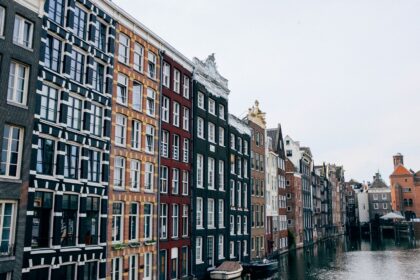
Being vegan in Italy sounds like a contradiction at first. Parmesan on everything, eggs in the fresh pasta, lard in the flatbread, butter in the risotto.
But look at what Italians actually ate for centuries and a different country appears. Beans with pasta, Tuscan bread soups, chickpea pancakes from Genoa, Sicilian aubergine caponata and pizza marinara, which has never had cheese on it. A large part of classic Italian food is vegan by tradition. Nobody just wrote that on the menu.
So is Italy vegan friendly, or will you live on side salads for a week? Which traditional Italian dishes are naturally vegan, and which only look it?
How do you read an Italian menu, where is eating out easy, and what do you order at Burger King or in a supermarket? And how do you ask a waiter, in Italian, whether there’s lard in the dough? It’s all below, region by region.
To be upfront: the only part of Italy we’ve eaten our way through ourselves is Rimini, where we spent a full beach holiday (more on that below). For the rest of the country, in October 2026 we went through restaurants’ own websites and menus, official tourism portals and the Italian food rules that decide what a dish may contain. If we couldn’t find proof that a place is open and serves vegan food, it’s not in this article.
Is Italy vegan friendly?
Yes, Italy is one of the easiest countries in Europe to eat vegan in, as long as you know what to order. Italian food grew out of cucina povera, the cooking of the poor. It relied on beans, grains, vegetables, bread and olive oil, because most families couldn’t afford meat or cheese every day. That’s why so many Italian dishes contain no animal products at all, even though nobody calls them vegan.
Butter in the north, olive oil in the south
There is no single Italian cuisine, there are twenty regional ones.
In the north (Lombardy, Piedmont, the Veneto) cooks lean on butter and cream, with risotto, polenta and cheese. In the south (Campania, Puglia, Sicily) olive oil, dried pasta, tomatoes and vegetables rule. The rule of thumb for vegans is simple. The further south you go, the more dishes are vegan without changes. In the north, ask more often about butter (burro) and stock.
Italian cooking and UNESCO
Italian cooking has been on UNESCO’s list of Intangible Cultural Heritage since December 2025. UNESCO’s committee approved the inscription in New Delhi on 10 December 2025, as reported by Olive Oil Times among others.
UNESCO didn’t honour a single dish but a whole way of cooking and sharing food, including anti-waste recipes and skills handed down through generations. That’s good news for vegans. The anti-waste recipes (bread soups, beans, garden vegetables) are exactly the ones most likely to be plant-based.
How many vegans live in Italy
Vegans make up 3.2% of Italian adults according to the Eurispes Rapporto Italia 2026, the highest figure ever recorded. Vegetarians are 5.3%. The Italian newspaper Open summarised the numbers, which work out at almost two million vegans.
In big cities you’ll notice it in cafés with soy milk and vegan croissants. In small seaside towns and villages, some waiters still hear the word “vegano” for the first time.
How to eat vegan in Italy: our three-course method
An Italian menu is split into courses, and vegans eat best from three of them (antipasti, primi and contorni). We call this the three-course method, and it works in a Tuscan trattoria just as well as in a beach pizzeria. Skip the secondi (the main protein course) and most desserts, which nearly always involve meat, fish, eggs or cream.
Antipasti: starters that are often vegan
Antipasti are hot and cold starters, and this is where you’ll find the most safe bets. Bruschetta with tomatoes is toasted bread with tomato, garlic and olive oil. Crostini con fagioli are toasts topped with stewed white beans.
Verdure grigliate means grilled vegetables, and pinzimonio is raw vegetables for dipping in olive oil. Watch out for antipasto misto (a mixed platter), which usually brings ham and cheese, and for fried vegetables, which some kitchens coat in an egg batter.
Primi: pasta, soups and risotto
Primi, the first course, covers pasta, soups, risotto and gnocchi, and for vegans it’s the main meal of the day. Spaghetti aglio, olio e peperoncino (garlic, oil and chilli) and pasta al pomodoro are vegan in the vast majority of restaurants. So are penne all’arrabbiata (spicy tomato sauce) and pasta e fagioli or pasta e ceci (with beans or chickpeas). Just say “senza formaggio” so nobody showers them in cheese. For risotto, ask about butter and stock, and for gnocchi, ask about egg.
Dried pasta in Italy is legally made from durum wheat semolina and water only. Fresh pasta (pasta fresca, pasta all’uovo), tagliatelle and filled ravioli, though, usually contain egg. How to spot them on a menu and what to ask is all in our guide is pasta vegan? dried, fresh and egg pasta explained.
Contorni: sides you can build a meal from
Contorni are side dishes ordered separately, and vegans can build a proper plate out of them. Patate al forno (roast potatoes), spinaci saltati (sautéed spinach), fagioli all’olio (beans with olive oil), cicoria ripassata (chicory with garlic) and insalata mista usually cost a few euros each. Two or three sides with bread and a glass of wine are a perfectly normal dinner in Italy, and nobody will look at you oddly.
Pizzerias: marinara is your safe bet
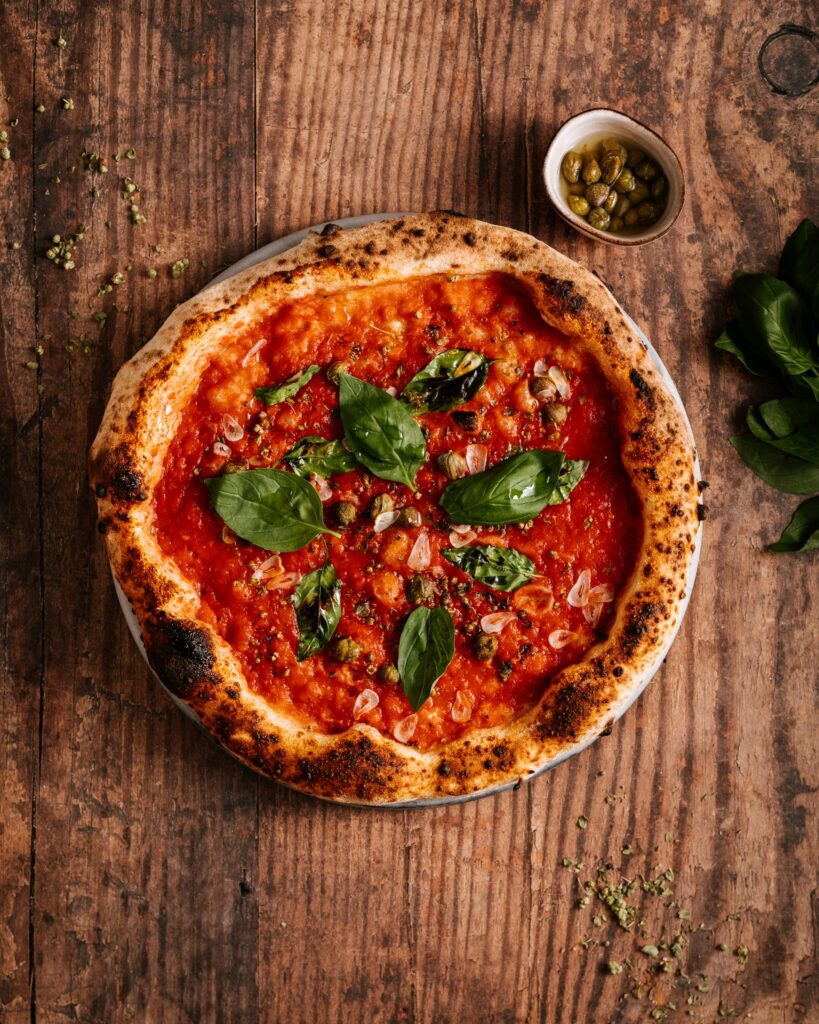
Pizza marinara is the oldest Neapolitan pizza, and it has never had cheese on it. Under the Neapolitan pizza rules it’s dough, tomatoes, garlic, oregano and olive oil, and you’ll find it in almost every pizzeria in Italy. If you want more, ask for a marinara with grilled vegetables (con verdure grigliate) or any vegetable pizza “senza mozzarella”.
Our own trip to Rimini taught us one thing. At Bar Civico 88, where we had our first pizza in Italy, a vegan pizza appeared on the menu one day, but they’d run out of vegan cheese.
Two days later it had vanished from the menu altogether. Vegan options in an ordinary Italian restaurant come and go. Marinara stays.
Restaurant tip: say “Sono vegano” (man) or “Sono vegana” (woman) at the start, then add “niente carne, pesce, latte, formaggio, uova, burro”. Italian waiters are used to allergies, and once they understand, they’ll usually have the kitchen make pasta al pomodoro even if it’s not on the menu.
Naturally vegan Italian dishes
Traditional Italian dishes that are vegan in their original recipe exist in every region. The table below is our pick of the best known, with what each one is and what to check. This is the TVTB map of vegan Italian dishes, put together from regional recipes and Italian sources. The last column is what other lists leave out, because it says where an animal product can sneak in.
| Region | Dish | What it is | Watch out for |
|---|---|---|---|
| Liguria | farinata | thin pancake of chickpea flour, water and oil | nothing, usually vegan |
| Liguria | focaccia genovese | soft bread with olive oil and salt | nothing, usually made with oil |
| Tuscany | ribollita | thick bread, bean and cabbage soup | meat stock, Parmesan on top |
| Tuscany | pappa al pomodoro | tomato and bread porridge with basil | cheese or butter on top |
| Tuscany | panzanella | summer salad of bread and tomatoes | nothing, usually vegan |
| Rome and Lazio | carciofi alla giudia | whole fried artichokes | nothing, just oil and salt |
| Rome and Lazio | spaghetti aglio e olio | pasta with garlic, oil and chilli | cheese on top |
| Campania | pizza marinara | tomato, garlic, oregano, oil | nothing, no cheese |
| Puglia | orecchiette con cime di rapa | “little ears” with turnip tops and chilli | anchovies, egg in handmade pasta |
| Sicily | caponata | sweet and sour aubergine with olives and capers | nothing, usually vegan |
| Sicily | pane e panelle | chickpea fritters in a bread roll | nothing, usually vegan |
| Sicily | pasta alla norma | pasta with aubergine and tomato | ricotta salata on top |
| all of Italy | minestrone | vegetable soup | meat stock, Parmesan |
Liguria and Tuscany: bread, chickpeas and beans
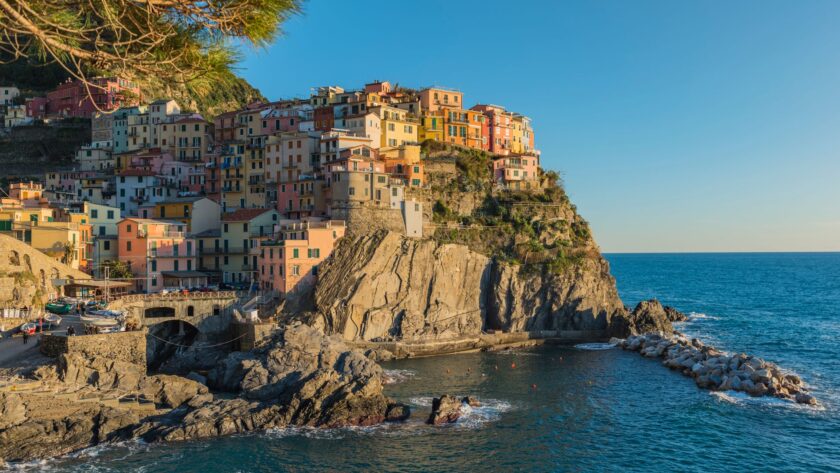
Liguria and Tuscany are the easiest regions for vegans in the northern half of Italy. In Genoa and the Cinque Terre, people snack on farinata (Tuscans call it cecina) and focaccia, both street food for a few euros.
Tuscany is bean and bread country. Ribollita, pappa al pomodoro and fagioli all’uccelletto (beans with tomato and sage) are plant-based peasant food that now turns up in smart Florence restaurants too. Classic Ligurian pesto alla genovese does contain Parmesan and pecorino, though, so skip it unless it’s a vegan version.
Rome, Naples and Puglia: the olive oil south
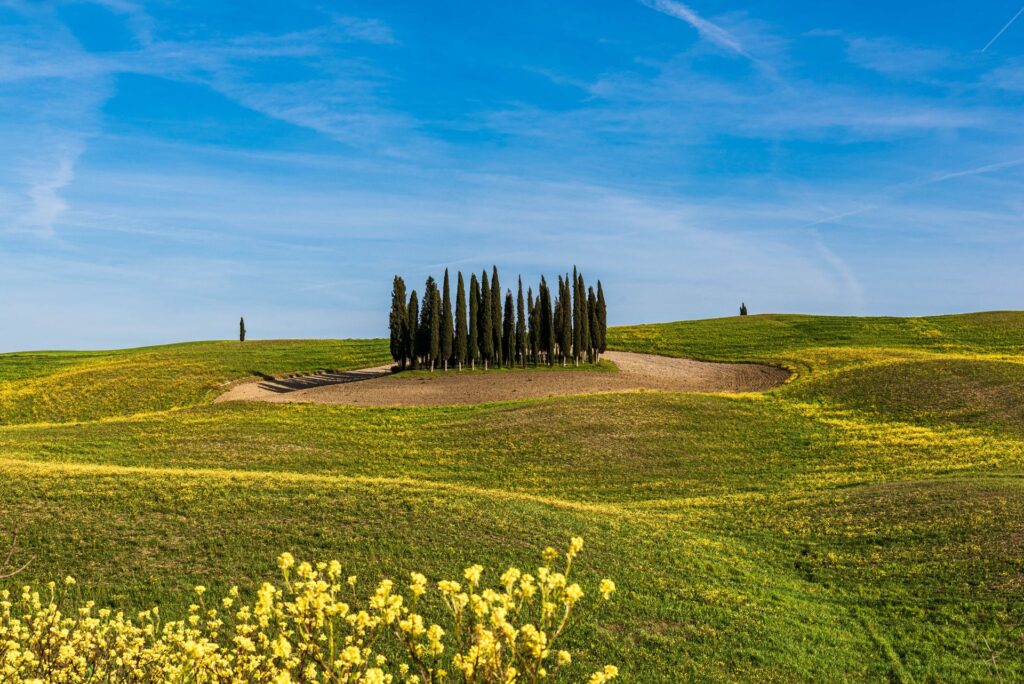
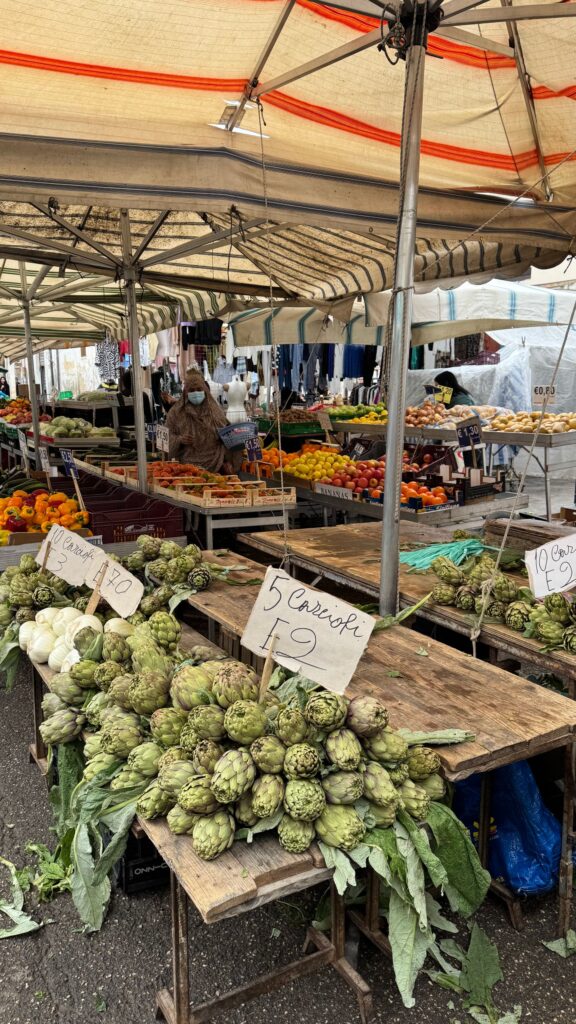
Southern Italy is the most generous part of the country for vegans, because almost everything is cooked in olive oil. In Rome, try carciofi alla giudia, the fried artichokes of the Jewish quarter, and in winter and spring the braised carciofi alla romana (ask about anchovies). Naples is the home of pizza marinara, and in Puglia, the heel of Italy’s boot, people eat orecchiette with turnip tops. Add frisella (hard bread softened in water and topped with tomato and oil) and taralli, crunchy rings made with olive oil.
Sicily: caponata, panelle and granita
Sicily has one of the most plant-based cuisines in Italy, thanks to aubergines, chickpeas, citrus and almonds. Caponata is cold sweet and sour aubergine with tomato, olives and capers, and pane e panelle is Palermo’s street sandwich of chickpea fritters.
Summer breakfast here is granita (crushed ice with lemon, almond or coffee) with a brioche. Lemon granita is almost always dairy-free, so ask about the almond and coffee ones, and the brioche usually contains butter and egg. Sicilian cannoli and cassata are made with ricotta, so they’re not for vegans.
Hidden cheese, egg and lard in Italian food
The biggest trap in Italian food isn’t meat or fish, because you’ll spot those on the menu. It’s the ingredients the menu doesn’t mention. The table shows the Italian words worth asking about and the dishes where they hide most often.
| Italian | English | Where it hides |
|---|---|---|
| formaggio, parmigiano, pecorino, grana | cheese, Parmesan, sheep’s cheese | pasta toppings, pesto, soups |
| uova, pasta all’uovo, pasta fresca | eggs, egg pasta | tagliatelle, ravioli, gnocchi, batters |
| strutto, lardo | lard, cured pork fat | piadina, pizza by the slice from bakeries |
| burro | butter | risotto, northern cooking, pastries |
| brodo di carne | meat stock | risotto, minestrone, soups |
| acciughe, alici | anchovies | artichokes, pizza napoli, sauces |
| panna, latte | cream, milk | creamy sauces, gelato |
| pancetta, guanciale | bacon, cured pork cheek | amatriciana, carbonara, pasta e fagioli |
Piadina and lard: the Adriatic trap
Piadina is the flatbread of Emilia-Romagna that beachgoers eat on every corner of the Adriatic coast, and it’s traditionally made with lard. The rules for the protected Piadina Romagnola IGP allow lard (strutto), olive oil or both as the fat, and since 2022 milk as well.
You can’t tell from the counter. Ask “L’impasto è senza strutto?” (is the dough lard-free?). The rules allow olive oil, so a lard-free piadina does exist, but only the answer will tell you.
Soups and risotto: stock and Parmesan
Italian soups and risottos look like vegetable dishes, but they often contain meat stock or butter. Some cooks also add Parmesan to minestrone and ribollita. Ask “È fatto con brodo vegetale?” (is it made with vegetable stock?). In an ordinary restaurant, risotto is finished with butter and Parmesan, so only order it where the kitchen confirms an olive oil version.
Topping tip: in many restaurants your pasta arrives showered in Parmesan even if the menu doesn’t say so. Say “senza formaggio, per favore” when you order, not when the plate lands in front of you.
In Italy you don’t need a vegan menu. You need to know which Italian dishes were always vegan, and to say “senza formaggio” out loud.
Vegan breakfast, gelato and aperitivo in Italy
The Italian day has three rituals outside lunch and dinner, and vegans can join all three. Morning espresso or cappuccino with a pastry, afternoon gelato and an evening aperitivo with free snacks.
Breakfast at the bar: cornetto vegano and soy cappuccino
Breakfast in Italy is coffee and a sweet pastry, standing at the bar, and in cities many bars now stock a vegan croissant, the cornetto vegano. Ask directly for “vegano”, because a wholemeal croissant (integrale) isn’t automatically free of butter and egg.
For your cappuccino, ask for soy milk (latte di soia) or oat milk (latte di avena). Vegan pastries tend to sell out early, often by around ten o’clock. Nobody will stop you ordering a cappuccino after lunch, but Italians only drink it in the morning.
Gelato: sorbetto and granita
Vegan gelato in Italy is mostly sorbetto, fruit ice made with water. Lemon, strawberry, raspberry, mango or dark chocolate are often dairy-free, but recipes vary, so ask “È senza latte?”.
Many gelaterias now also sell creamy vegan flavours made with plant milk, pistachio or hazelnut for example. In Rimini, the organic Gelateria Biologica Santa Colomba on Piazza Malatesta has several vegan flavours. The cone (cono) sometimes contains butter or egg, so a cup (coppetta) is the safe choice.
Aperitivo: crisps, olives and focaccia with your spritz
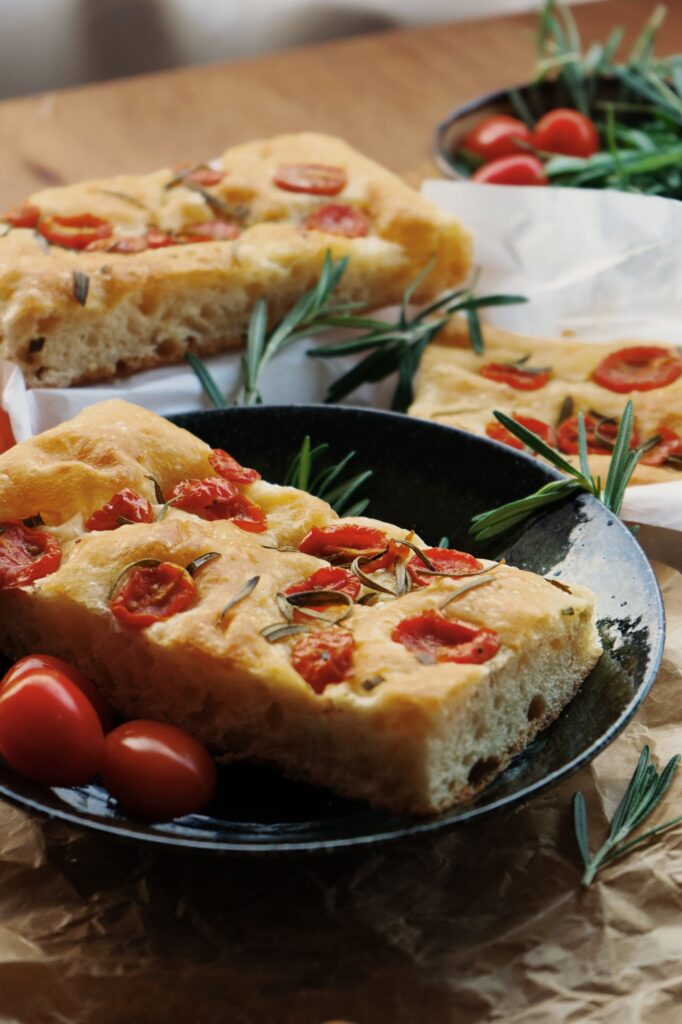
Aperitivo is the Italian early-evening ritual where a drink comes with free (or cheap) snacks. That usually means olives, crisps, taralli and squares of focaccia or pizza, and in better bars a whole buffet.
Some of it is vegan, but ask about the cheese and cured meats. For non-vegans, aperitivo is the best proof that plant-based food in Italy is no sacrifice. An olive and a square of focaccia with an Aperol taste good to everyone.
Best places in Italy for vegan food
The easiest places in Italy for vegans are the big cities, above all Rome, Milan and Bologna. Naples, Florence and Venice have vegan and vegetarian restaurants too, just fewer of them. At the seaside and in the countryside, the three-course method and a pizza marinara will see you through. The table lists the places we verified, each with an honest label saying whether it’s vegan or vegetarian.
| City | Place | Type | Go for |
|---|---|---|---|
| Rome | Rifugio Romano | 100% vegan | carbonara, cacio e pepe |
| Milan | Joia | vegetarian, Michelin star | plant-based tasting menu |
| Milan and other cities | Flower Burger | 100% vegan chain | colourful burgers |
| Bologna | Botanica Lab | 100% vegan | organic menu that changes daily |
| Florence | Brac | vegetarian with vegan dishes | lunch in a bookshop |
| Venice | La Tecia Vegana | 100% vegan | lasagne, ravioli, tiramisu |
| Naples | Vitto Pitagorico | vegetarian and vegan | pizza, pasta, raw dishes |
| Rimini | Hotel Reale | 100% vegan hotel | breakfast buffet |
| Dolomites | Paradiso Pure.Living | 100% vegan hotel | mountain half board |
| South Tyrol | LA VIMEA | 100% vegan hotel | spa, half board |
Rome: the most vegan restaurants in Italy
Rome has more than twenty fully vegan places, more than any other Italian city we researched. The best known is Rifugio Romano on Via Volturno near Termini station, once a classic Roman trattoria that switched to a fully plant-based kitchen in 2023. It serves vegan carbonara, cacio e pepe and supplì. All 33 verified places by neighbourhood, plus a three-day plan, are in our guide to vegan Rome.
Milan: a Michelin star and vegan burgers
Milan has the widest range of plant-based food in Italy, from burgers to a Michelin star. Joia at Via Panfilo Castaldi 18 is a vegetarian restaurant with one Michelin star in the 2026 guide. According to the Michelin Guide, it uses no eggs and no cheese made with animal rennet. Its €140 tasting menu “L’enfasi della natura” is plant-based, but mention you’re vegan when you book because of the dessert.
For a quick bite there’s Flower Burger, a fully plant-based chain that started in Milan. According to its website, it now has branches in more than ten Italian cities, including Rome, Turin, Bologna, Verona, Bari and Palermo.
Bologna: the city of ragù has a surprise
Bologna is famous for ragù and tortellini, but according to the official tourism portal Bologna Welcome (updated July 2026) it has a whole range of vegan and vegetarian places. Botanica Lab at Via Battibecco 4/c is, according to the portal, the city’s first fully plant-based restaurant, with an organic menu that changes every day. For crescentine (Bologna’s fried dough pockets) without the cheese and salami, Bologna Welcome points vegans to Indegno.
Florence and Venice: fewer places, more planning
Florence and Venice have only a handful of fully vegan restaurants, so it pays to book ahead. Brac at Via dei Vagellai 18r in Florence is a contemporary art bookshop with a café and vegetarian kitchen, where many dishes are vegan.
In Venice, La Tecia Vegana in the quiet Dorsoduro district cooks fully vegan Italian classics such as lasagne, ravioli and tiramisu. It’s a small room, so reserve. The rest of the day, Tuscan ribollita and Venetian cicchetti (small bar snacks on bread) will keep you going, just pick the vegetable ones.
Naples: pizza where marinara was born
Naples is above all the city of pizza marinara, which you’ll find in every pizzeria for a few euros. For more, head to Vitto Pitagorico by the National Archaeological Museum. According to its website it serves only vegetarian, vegan, raw and gluten-free food, and besides Naples it has a branch in nearby Aversa. The menu mixes vegetarian and vegan dishes, so check that your pizza is the vegan one.
Rimini and the Adriatic: our own experience
Rimini and the other Adriatic resorts aren’t a vegan paradise, but you can enjoy a beach holiday there without compromise. We know because we did. Our favourite was the pizzeria La Pagnotta, with its square pizza marinara, and we went back several times.
We stayed at the fully vegan Hotel Reale in Bellariva, which served the best breakfast we’ve ever had, with vegan croissants, plant-based ham, cheese and piadina. Every tip, beach and airport transfer is in our guide to vegan Rimini.
Dolomites and South Tyrol: vegan hotels in the mountains
Italy has several fully vegan hotels, and most of them are in South Tyrol. LA VIMEA in Naturno near Merano is a vegan hotel with a spa and half board.
Paradiso Pure.Living sits on the Alpe di Siusi in the Dolomites at 2,020 metres, with skiing in winter and hiking in summer. Both belong to the same family as Agrivilla I Pini in Tuscany. We compare prices and more fully vegan stays worldwide in our list of vegan hotels. How to ski the Dolomites and what to order at the huts is in our guide to skiing in the Dolomites as a vegan.
Sunday and August tip: small restaurants in Italy often close on Sunday evening or Monday, and in August, especially around the Ferragosto holiday on 15 August, many shut for weeks “per ferie”. If you’re travelling in August, check vegan places in advance, and doubly so outside the big cities.
Vegan fast food and supermarkets in Italy
Fast-food chains in Italy are weaker for vegans than restaurants. Flower Burger is the exception, since everything there is vegan, while the others come with a few important caveats. Supermarkets, on the other hand, will save any trip.
Burger King vegan in Italy: plant-based isn’t vegan
Burger King in Italy sells a Plant-Based Whopper and other burgers with a plant-based patty, but as served they’re not vegan. According to Burger King Italy’s current menu, the plant patty is cooked on the same grill as the beef and the Whopper comes with egg mayonnaise. The Crazy Cheese BBQ keeps its dairy cheese even in the plant-based version.
In 2021 Italy’s competition authority, the AGCM, stepped in because the chain had advertised the burger as 100% plant-based. If you order one, ask for it “senza maionese”. For the UK and the rest of Europe, see our Burger King vegan menu guide.
Are McDonald’s fries vegan in Italy?
McDonald’s fries in Italy contain no animal ingredients according to the list the company published, which names potatoes, sunflower and rapeseed oil, dextrose and a stabiliser. McDonald’s Italy described them as vegetarian in 2015, not vegan. If traces of milk or egg matter to you, check the current allergen table in the restaurant. Everything else that’s vegan at the chain is in our McDonald’s vegan menu guide.
Supermarkets: plant milk, tofu and ready meals
Italian supermarkets are the most reliable source of food for vegans on the road. Big chains such as Coop and Esselunga, plus the discounters Lidl and Aldi, keep widening their own plant-based ranges, mostly burgers, sausages and mince. According to the Italian business daily Il Sole 24 Ore, you’ll usually find them in the chilled section by the entrance. Plant milk is everywhere, and Conad sells its own Verso Natura brand with a Veg range.
For a picnic, all you need is focaccia from a bakery, tomatoes, olives, grilled vegetables in a jar (sott’olio) and fruit from the market. The organic chain NaturaSì has even more plant-based products, at higher prices.
Read next
Want to cook the classics at home before you go? Start with our vegan aglio e olio, the quickest Italian pasta there is, and bake a vegan focaccia with sun-dried tomatoes and olives for aperitivo.
Travelling to Italy: getting there, when to go and costs
Italy is easy to reach from most of Europe, by car over the Alps or on a direct flight to Rome, Milan or Sicily. For vegans, a self-catering flat is a real plus, because you can cook from Italian markets.
Getting to Italy by car
Driving from Central Europe, most people cross Austria. An Austrian 10-day motorway vignette for a car costs €12.80 in 2026, and the Brenner motorway (A13) charges a separate toll on top. Italian motorways are tolled by distance at toll booths. Pack food for the journey and do your first shop in an Italian supermarket, where the plant-based choice beats the motorway service stations.
Getting to Italy by plane
Rome and Milan are the best-connected airports, and from Prague, for example, there are direct flights to Rome, to Milan Bergamo and, since September 2026, to Palermo in Sicily. From Rome and Milan, high-speed trains reach Florence, Bologna, Naples and Venice in a few hours. For vegans that’s the most comfortable combination, because these are the cities with the most vegan restaurants.
Best time to visit Italy as a vegan
The best time to visit Italy is spring (April to June) and autumn (September and October). Summer means packed beaches and hot cities, and in August many small restaurants close. Every season has something for vegans. Spring brings artichokes and asparagus, summer tomatoes, aubergines and granita, autumn mushrooms, chestnuts and freshly pressed olive oil, and winter Sicilian citrus and bean soups.
How much food costs in Italy
Eating out in Italy costs more than in Central Europe, but vegans save because they mostly eat pasta, pizza and sides. According to the Czech travel site Cestujlevne.com, breakfast at a bar (coffee and a pastry) costs €3 to €5, and pizza or pasta €6 to €12.
Restaurant bills almost always include coperto, a cover charge for the table and bread, usually €1 to €3 per person (more in tourist hotspots). It has to be listed on the menu, and tipping isn’t expected on top. Coffee drunk standing at the bar is cheaper than at a table.
Where to stay in Italy
A place with a kitchen is the best choice for vegans in Italy, because you can cook from markets and supermarkets. If you prefer a hotel, there are fully vegan ones in Rimini, South Tyrol and the Dolomites. At an agriturismo (farm stay), email ahead to say you’re vegan, since rural hosts are often happy to cook from their own garden. For more summer ideas, see our best summer holidays for vegans.
Italian phrases for vegans
A few Italian sentences will open more doors in a restaurant than any app. Italians appreciate the effort, and the words for ingredients are worth having to hand.
| Italian | English |
|---|---|
| Sono vegano / vegana. | I’m vegan (man / woman). |
| Senza carne, pesce, latte, formaggio, uova e burro. | No meat, fish, milk, cheese, eggs or butter. |
| Senza formaggio, per favore. | No cheese, please. |
| La pasta è all’uovo? | Is the pasta made with egg? |
| L’impasto è senza strutto? | Is the dough made without lard? |
| È fatto con brodo vegetale? | Is it made with vegetable stock? |
| C’è burro o panna? | Is there butter or cream in it? |
| È senza latte? | Is it dairy-free? |
| Avete qualcosa di vegano? | Do you have anything vegan? |
| Un cappuccino con latte di soia / di avena. | A cappuccino with soy / oat milk. |
Tip for non-vegans: if you’re travelling with vegans and eat meat yourself, try their way for one evening. Pasta e ceci, fried artichokes and pizza marinara are Italian classics that Italians order all the time, and nobody at the table has to compromise.
Vegan in Italy: is it worth the trip?
Being vegan in Italy is easier than its reputation and harder than the enthusiastic listicles promise. Pizza marinara, pasta al pomodoro, Tuscan bread soups, Sicilian caponata and chickpea farinata have always been plant-based, and Rome, Milan and Bologna add fully vegan restaurants on top.
The problem isn’t meat, it’s the cheese, egg, butter and lard the menu keeps quiet about. Learn the three-course method and three Italian sentences, and you’ll eat well even in a small trattoria by the sea. What’s your favourite vegan Italian dish, and which city fed you best?
Frequently asked questions
Is Italy vegan friendly?
Yes, much of traditional Italian food is vegan in its original recipe, including pizza marinara, pasta al pomodoro, pasta e fagioli, ribollita and caponata. The catch is cheese, egg, butter and lard that menus often don’t mention. Say “sono vegano” and “senza formaggio”.
Is it hard to be vegan in Italy?
It’s not hard in big cities like Rome, Milan and Bologna, which have fully vegan restaurants. In small towns and at the seaside you’ll eat from the antipasti, primi and contorni sections and order pizza marinara. The hardest part is hidden ingredients, so always ask about cheese, egg and stock.
Is pasta in Italy vegan?
Dried pasta in Italy is legally made from durum wheat semolina and water only, so it’s vegan. Fresh pasta (pasta fresca, pasta all’uovo), tagliatelle and filled ravioli usually contain egg. In a restaurant, ask “La pasta è all’uovo?”.
Is gelato vegan in Italy?
Fruit sorbetto and lemon granita are usually dairy-free, and many gelaterias also sell creamy vegan flavours made with plant milk. Recipes vary, so always ask “È senza latte?”. Cones can contain butter or egg, so a cup is the safe choice.
Are McDonald’s fries vegan in Italy?
According to the ingredient list McDonald’s Italy published, its fries are made from potatoes, sunflower and rapeseed oil, dextrose and a stabiliser, with no animal ingredients. The company calls them vegetarian rather than vegan, so check the allergen table if cross-contact matters to you.
Newsletter
Get our free e-books
Join the newsletter and download Our Vegan Christmas Kitchen straight away, 10 recipes for Czech cookies, gingerbread and vánočka. Then once a month, new places from the vegan map and new articles. Unsubscribe with one click.