
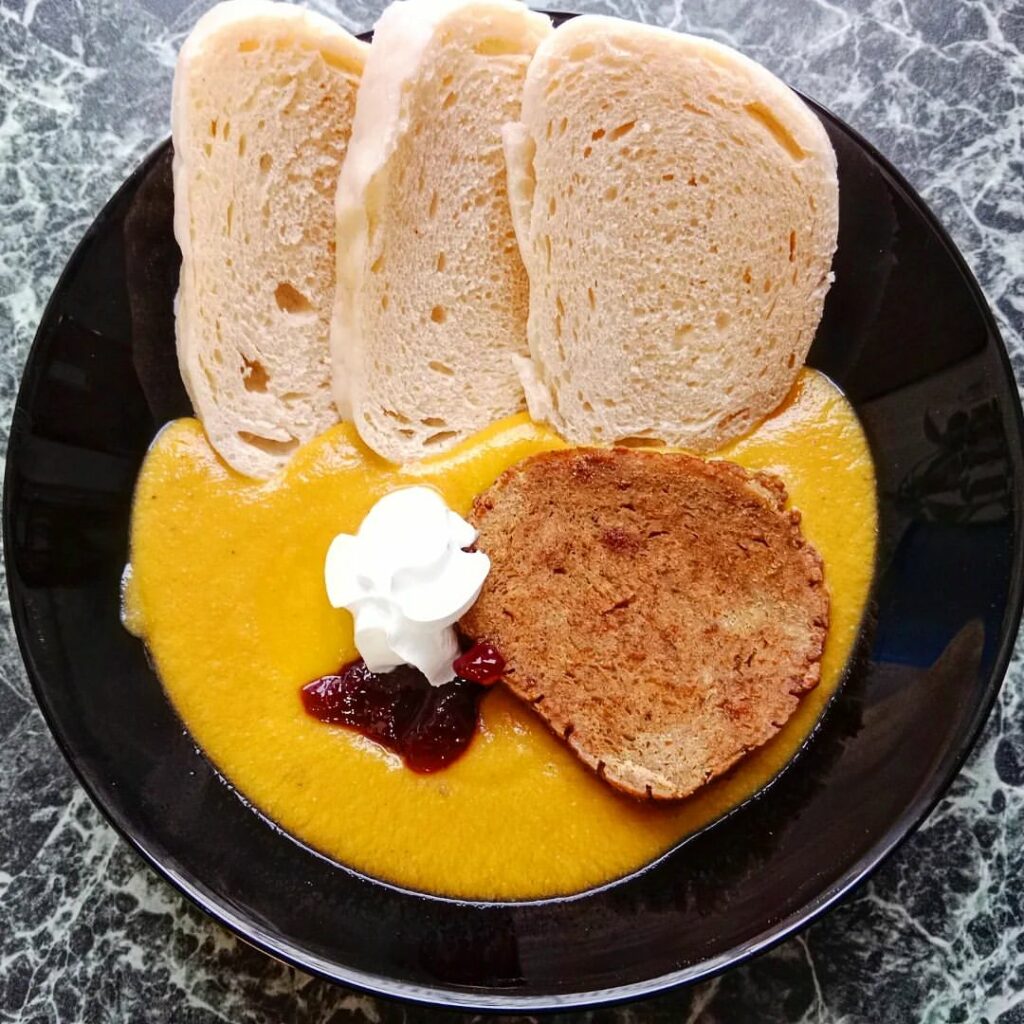
If there is one dish that represents the heart and soul of Czech cuisine, it is svíčková na smetaně. This rich, creamy sauce made from slow-cooked root vegetables and cream, traditionally served with bread dumplings, cranberry sauce and a dollop of whipped cream, is the ultimate Czech comfort food. And the best part? Vegan svíčková captures that exact same flavour using entirely plant-based ingredients. The sauce itself is naturally vegetable-based, so the transition to vegan is smoother than you might expect.
How do you make vegan svíčková truly creamy without dairy? What plant-based protein works best alongside it? And how do you get that signature sweet-and-sour balance without beef broth? This article has the full recipe, practical tips and everything you need to recreate this Czech classic at home.
Why you will love this recipe
This vegan svíčková will win you over from the very first spoonful.
- Authentic flavour, root vegetables, bay leaves, allspice and lemon create exactly the taste profile Czech families have loved for generations
- Ready in 40 minutes, using frozen root vegetable mix saves time on peeling and chopping
- Creamy without dairy, a combination of soy cream and vegan sour cream delivers the perfect consistency
- Great for entertaining, even non-vegan guests will be surprised how close it is to the original
- Budget-friendly, all the base ingredients are readily available at any supermarket
This is one of the best examples of how plant-based cooking can faithfully preserve the essence of traditional recipes.
Interesting facts about svíčková
Svíčková na smetaně holds a special place in Czech culture. It consistently ranks as one of the most beloved Czech dishes in national polls and has done so for decades. Its history stretches back at least to the 19th century, when the recipe gradually settled into the form we know today: a creamy vegetable sauce served with beef sirloin, bread dumplings, cranberry sauce and whipped cream.
The name „svíčková“ comes from the Czech word for candle („svíčka“), referring to the sirloin cut of beef (musculus longissimus dorsi), which is long and slender like a candle. What many people do not realise is that the sauce itself is entirely vegetable-based, with the meat primarily serving as a protein source and a source of umami flavour. This is precisely why svíčková lends itself so well to a vegan version: the foundation of the sauce remains virtually unchanged.
The root vegetables that form the base of the sauce (carrots, parsnip, celeriac) have been grown in Czech lands for centuries. Carrots are among the five most widely cultivated vegetables worldwide, with global production exceeding 40 million tonnes annually. Their distinctive orange colour comes from beta-carotene, which the human body converts into vitamin A.
Health benefits of the key ingredients
Vegan svíčková is surprisingly nutritious thanks to its root vegetable base. Here is what the main ingredients bring to your plate.
Carrots are one of the richest natural sources of beta-carotene, a precursor to vitamin A. 100 g of carrots contains approximately 835 µg of retinol equivalent, covering over 100% of the recommended daily intake. Beta-carotene is a powerful antioxidant that protects cells from oxidative stress and supports eye and skin health. Carrots also have a low glycaemic index, making them suitable for people managing blood sugar.
Parsnip and celeriac add depth of flavour to the sauce while delivering a range of health benefits. Parsnip is rich in vitamin C, folate and vitamin K. Celeriac contains the compound 3-n-butylphthalide (NBP), which research suggests has antioxidant activity and may help regulate blood pressure. Both ingredients are very low in calories, roughly 30-40 kcal per 100 g.
Nutritional yeast is a popular vegan ingredient that gives dishes a savoury, almost cheesy umami flavour. It is an excellent source of B vitamins, including vitamin B12 (in fortified brands), protein and minerals. Two tablespoons provide approximately 8 g of protein.
Nutritional values
One serving of vegan svíčková sauce (without dumplings or protein side) contains approximately the following values.
| Nutrient | Amount per serving |
|---|---|
| Calories | ~220 kcal |
| Protein | 6 g |
| Carbohydrates | 18 g |
| Fat | 14 g |
| Fibre | 4 g |
Approximate values per serving. Actual amounts depend on specific ingredients and quantities used. Values are for the sauce only, without dumplings or protein side.

Vegan Svíčková (Czech Cream Sauce)
Ingredients
- 500 ml Water
- 350 g Frozen root vegetables for svíčková or fresh carrots, parsnip, celeriac and onion
- 1 Large leek or large onion
- 200 g Soy cream
- 200 g Vegan sour cream
- 1 Vegetable stock cube
- 1 tbsp Sugar
- 4 Bay leaves
- 5 Allspice berries
- 5 Black peppercorns
- Lemon juice
- Herb salt
- Nutritional yeast
- Pinch of thyme
- Vegan butter
Instructions
- Chop the leek into pieces. Heat a pot with a little vegan butter, add the frozen vegetables and a tablespoon of sugar, and sauté briefly.
- Add the stock cube, the spices listed above, both creams and pour in the water.
- Cook for approximately 20-30 minutes, then blend until smooth with an immersion blender. Simmer for a few more minutes and season with lemon juice to taste.
- Serve with dumplings, a vegan meat alternative of your choice, cranberry sauce and a dollop of plant-based whipped cream.
Tips and variations for vegan svíčková
The base recipe is straightforward and reliable, but here are a few ways to take it further.
- Fresh vegetables instead of frozen: if you have time, use fresh carrots, parsnip, celeriac and onion. The sauce will have an even richer flavour. Allow for a longer cooking time (about 40-50 minutes).
- Plant-based protein: seitan works best alongside svíčková as its texture most closely resembles beef. Pan-fried tofu slices, tempeh or shop-bought vegan meat alternatives also pair wonderfully.
- Soy-free option: replace soy cream with oat cream or coconut cream. The coconut version adds a subtly sweeter note.
- Thicker sauce: for an even thicker consistency, stir a tablespoon of plain flour mixed with a little cold water into the sauce before the final simmer.
- Storage: the sauce keeps in the fridge for 4-5 days and is perfect for meal prep. When reheating, check the consistency and add a splash of water if needed.
Do not be afraid to experiment with the seasoning. A touch of Dijon mustard or a splash of apple cider vinegar can add an interesting new dimension to the flavour.
What to serve it with
The traditional accompaniments to svíčková work beautifully in the plant-based version too.
- Bread dumplings (houskový knedlík) are the classic pairing, and a vegan version using plant milk and no eggs works perfectly
- Cranberry sauce is essential, providing the sweet-and-sour contrast that balances the creamy sauce
- Whipped plant cream on top completes both the presentation and the flavour
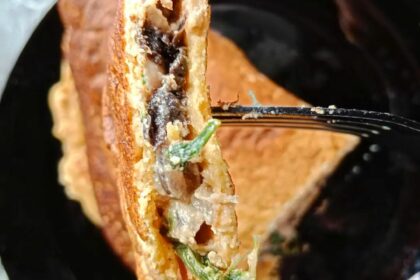
- For a non-traditional twist, try vegan potato pancakes with zucchini and carrots or simple mashed potatoes
Svíčková is a dish that deserves beautiful plating. Pour the sauce generously over the dumplings, add a spoonful of cranberry sauce and finish with a swirl of whipped cream.
This recipe is one of more than twenty Czech classics we cook without meat, eggs or dairy. You’ll find them all in one place in our vegan Czech food roundup.
Frequently asked questions
How do you make vegan svíčková creamy?
The key to a creamy consistency is combining two types of plant cream (soy cream and vegan sour cream) and blending thoroughly with an immersion blender. Blend the sauce long enough until it is completely smooth. If it is still too thin, stir in a tablespoon of flour mixed with cold water and simmer briefly.
What vegan protein goes best with svíčková?
Seitan is the top choice as its texture most closely resembles beef sirloin. Pan-fried tofu slices, tempeh or store-bought vegan meat alternatives such as vegan kebab also work wonderfully. For tofu, we recommend frying it with a little soy sauce before serving for a more intense flavour.
Can you freeze vegan svíčková sauce?
Yes, the sauce freezes beautifully. Let it cool completely and transfer to a sealed container or freezer bag. It keeps in the freezer for up to 3 months. Thaw slowly in the fridge overnight and reheat on the stove. After thawing, adjust the consistency with a splash of water if needed.
What can I use instead of soy cream in svíčková?
You can substitute oat cooking cream, coconut cream or cashew cream (soaked cashews blended with water). Each alternative will slightly change the flavour profile, but all work well. Coconut cream adds a subtly exotic touch that pairs surprisingly well with the root vegetables.
Is svíčková sauce naturally gluten-free?
The sauce itself is gluten-free according to this recipe, provided you choose a gluten-free stock cube. The issue may lie with the dumplings, but gluten-free versions made from potato dough or rice flour exist. Always check the labels on your cream and stock cube.
Svíčková is the heart of Czech cuisine, and its vegan version proves that tradition and plant-based eating go hand in hand beautifully. If you are looking for more Czech classics in plant-based form, try our vegan šunkofleky or vegan bramboračka (Czech potato soup). If you would rather eat out, Vegan’s Prague in Malá Strana serves one of the best vegan svíčková in the city. And if you make this svíčková, let us know how it turned out!
Newsletter
Get our free e-books
Join the newsletter and download Our Vegan Christmas Kitchen straight away, 10 recipes for Czech cookies, gingerbread and vánočka. Then once a month, new places from the vegan map and new articles. Unsubscribe with one click.