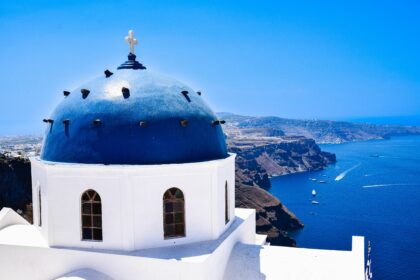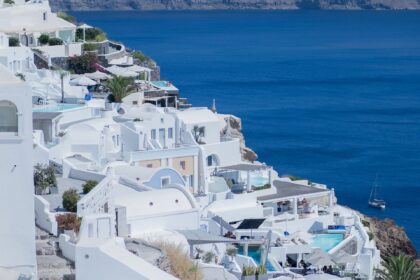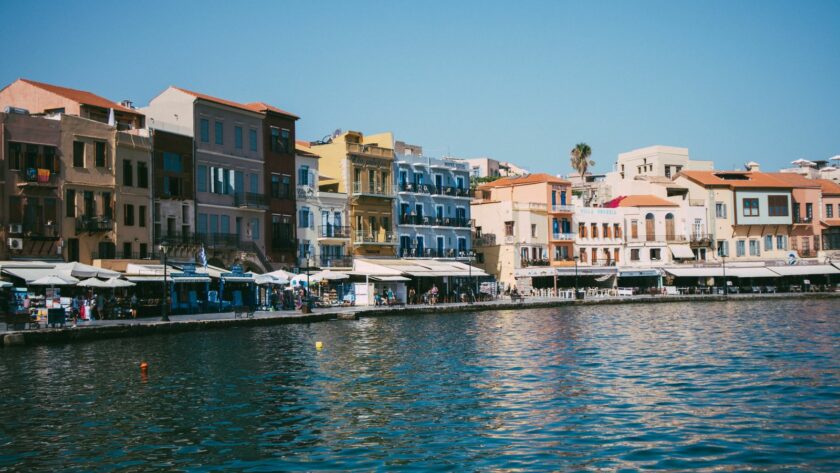
Crete is not just the biggest Greek island, it might also be the easiest one to eat well on as a vegan. That sounds surprising until you understand what the local kitchen is built on. Lots of vegetables, pulses, wild greens, olive oil pressed from the island’s own groves, and bread that never sees a drop of milk. So much traditional Cretan food is vegan by happy accident, simply because that is how people have cooked here for centuries. If you have been wondering whether vegan Crete is a real thing or wishful thinking, it is very much real.
We will be honest with you up front, neither of us has made it to Crete in person yet. So we approached this trip differently from the places we write about first-hand. We dug through hundreds of reviews, read travel notes from plant-based travellers who went last year and this one, and checked which spots are actually still open (we re-checked them all in October 2026). Where is Crete, when should you go, what should you order, where do you find vegan restaurants in Chania, Heraklion and Rethymno, and how much will it all cost? You will find honest answers here, with no invented stories and no restaurants that quietly closed years ago.
This is not a generic “top 10 sights” list. It is a practical plan for a vegan holiday in Crete, written for someone who wants to eat brilliantly, see the best of the island, and never stress about whether the next taverna has more than chips and a side salad.
Where is Crete and why it is so vegan friendly
Crete is the largest and most southerly island in Greece, sitting in the southern Aegean roughly halfway between mainland Greece and the coast of North Africa. It stretches more than 250 kilometres end to end, so do not picture a little dot you can drive around in an afternoon. It has its own mountains, gorges, over a thousand kilometres of coastline, and four main towns along the north coast. Heraklion, Chania, Rethymno and Agios Nikolaos. If you are still choosing between islands, we compare them in Greece holidays: where to go and what to eat.
So why is Crete in particular so kind to vegans? A big part of the answer is religious, and you might love this. Greeks are Orthodox, and the Orthodox tradition includes long fasting periods when people give up meat, dairy and eggs. Add up the fast before Easter, the fast before Christmas, and every Wednesday and Friday, and a traditional Greek ends up eating plant-based for roughly 200 days a year. These dishes even have their own name, “nistisima”, and you will find them on ordinary taverna menus without asking. Cretan food is not vegan by accident, it is vegan by deep tradition.
Keep this in your pocket: Learn one Greek word and you are sorted. “Nistisimo” (νηστίσιμο) means fasting food, which means no meat, no dairy and no eggs. Ask a taverna what they have that is “nistisimo” and the staff will point you straight to the plant-based dishes. It works far more reliably than trying to explain what veganism is. The same trick works on every Greek island, including Corfu, where we also rounded up the vegan restaurants in Corfu Town.
The second reason is Cretan food itself. The famous “Mediterranean diet” the whole world talks about was first described right here. Researchers in the mid 20th century studied how ordinary Cretans ate, and based the whole concept on it. Plenty of vegetables and pulses, very little meat, lots of olive oil. For a vegan that means the foundation of the local kitchen is exactly what you are looking for.
Crete on our vegan map
5 places, 2 fully vegan. Tap a pin to see the details.
Loading the map…
- 100% vegan
- Vegetarian
- Vegan options
See every place from this article on our vegan map.
When to go and what the weather is like
Crete has one big advantage, the season here is long. Thanks to its southern position it is warmer than anywhere else in Greece, so you can sensibly visit from April to October, and the swimming lasts a genuinely long time. If you want a mix of warmth, swimming and calm, the sweet spot tends to be late spring and early autumn.
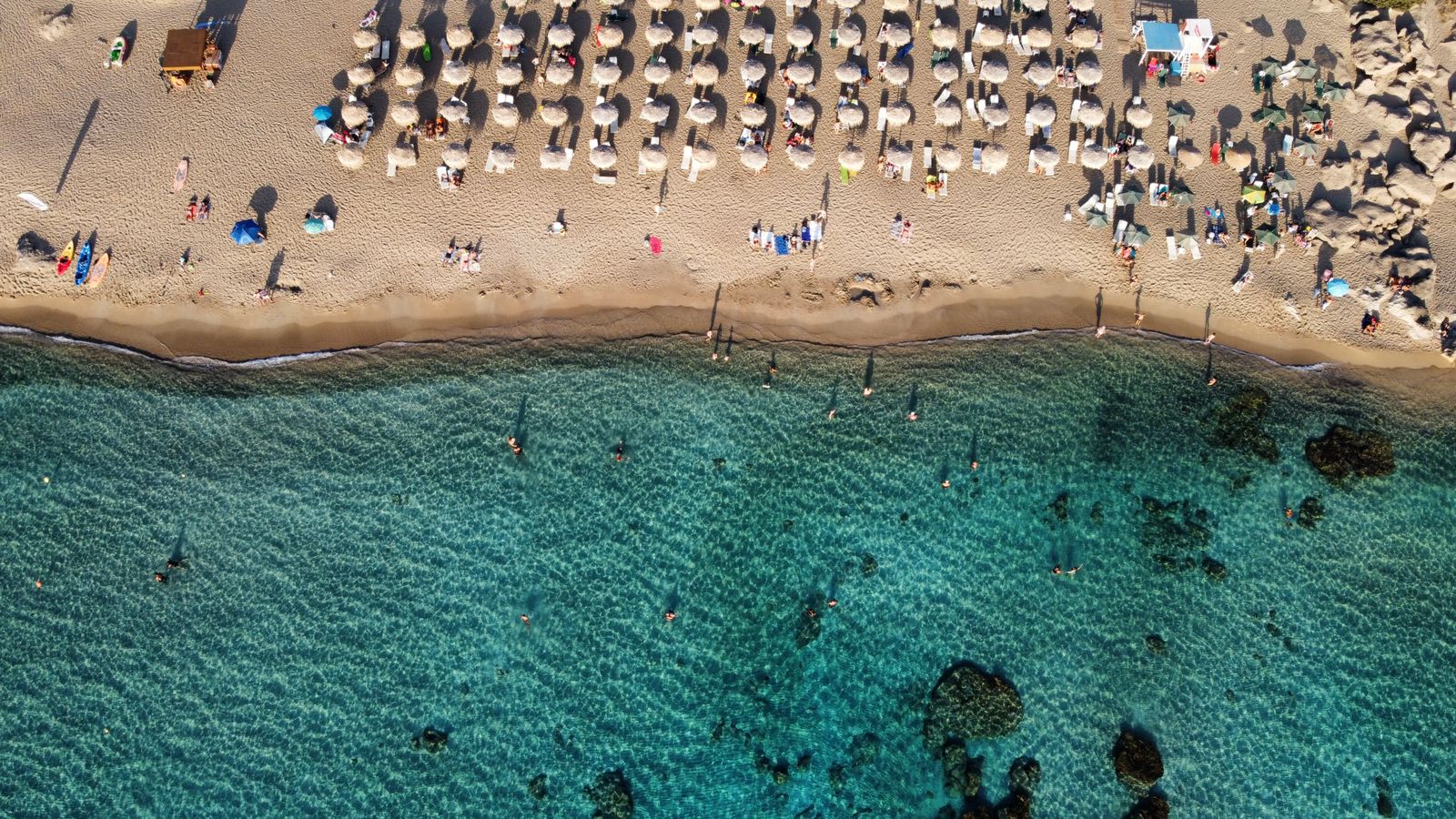
A lot of people ask specifically about Crete in October, and no wonder. October is the quiet tip for anyone who hates crowds and summer prices. The first three weeks are usually warm, daytime temperatures sit around 22 to 26 degrees, and the sea is still heated through from summer at a lovely 23 degrees. It rains occasionally, but mostly lightly. Pack a thin rain jacket and you will not miss a thing.
| Season | Daytime temp | Sea | Best for |
|---|---|---|---|
| April to May | 20 to 25 °C | 17 to 19 °C | Hiking, wildflowers, wild greens in season |
| June | 26 to 30 °C | 22 °C | Swimming without extreme heat or crowds |
| July to August | 30 to 35 °C | 25 °C | Classic summer, busy beaches, higher prices |
| September | 26 to 30 °C | 25 °C | Our favourite, warm and calm at once |
| October | 22 to 26 °C | 23 °C | Cheaper holiday, emptier beaches |
If you are more drawn to exploring than lying on a beach, the gorges, archaeological sites and old towns, go in spring or September. Summer is simply too hot for serious hiking in the Cretan mountains. July and August belong to the classic beach holiday, just expect it to be pricier and busier.
Traditional Cretan dishes that happen to be vegan
This is the part that makes us love Greece as a vegan destination. You do not need to hunt down special vegan venues to eat well. So many completely ordinary traditional dishes are plant-based by default, and you will find them in any regular taverna. Here are the ones worth aiming for.
| Dish | What it is | What to watch for |
|---|---|---|
| Dakos | Barley rusk soaked in tomato with olive oil, capers and olives | Usually topped with cheese, ask for it without feta |
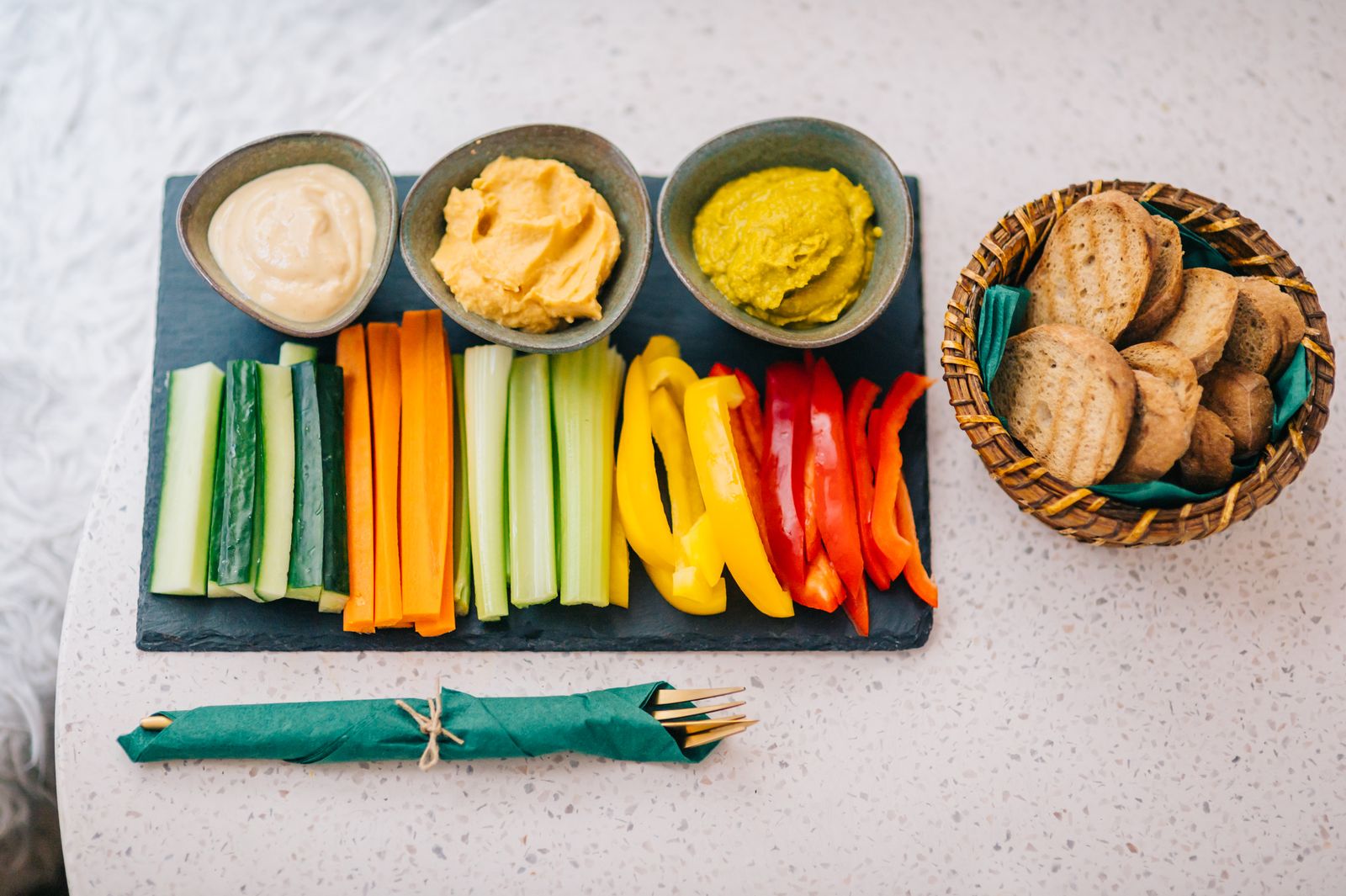
| Horta | Boiled wild greens with lemon and olive oil | Naturally vegan, a brilliant healthy side |
| Gigantes plaki | Giant white beans baked in tomato sauce with herbs | Almost always vegan, hearty and warming |
| Fava | Creamy split pea purée with olive oil and onion | Naturally vegan, perfect on pita bread |
| Gemista | Tomatoes and peppers stuffed with rice and herbs | Sometimes made with meat, ask for the “nistisima” version |
| Fasolakia lathera | Green beans braised in tomato and olive oil | Naturally vegan, “lathera” dishes are a safe bet |
| Dolmades | Vine leaves stuffed with rice and herbs | Often vegan, but check, some versions contain meat |
The magic word for this whole category is “lathera”. It describes vegetable dishes braised in plenty of olive oil and tomato, and they are almost always vegan. When you spot a “lathera” section on a menu, there is a good chance you will find three or four things you can order without any back and forth. Add fresh bread, olives and a fava dip and you have a full meal.
Do not overlook the olive oil itself either. Crete is one of the world’s most important olive oil producers and locals do not hold back with it. If you are curious where it comes from and how it is pressed, several olive farms on the island run tours with tastings. It makes a great outing for any non-vegans in your group too, because good olive oil is something absolutely everyone appreciates.
On Crete you do not need to find a vegan restaurant to eat vegan. You just need one word, “nistisimo”, and half the menu you would have walked past opens up.
Where to eat vegan in Crete, town by town
When you want something beyond a traditional taverna, a vegan gyros, a burger or a proper dessert, head for the bigger towns. The best vegan eating is in Chania and Heraklion, but smaller Rethymno holds its own too. We re-checked every place below in October 2026 and took out the ones that have closed since we first wrote this. Always double-check opening hours, though, because many spots run seasonally and close in winter.
Chania
Chania is our number one for vegans on the island. The old Venetian town around the harbour is beautiful in its own right, and on top of that you have several excellent spots. Pulse is a fully vegan restaurant that reviewers rate about as highly as anywhere on Crete (over four hundred reviews at a full five stars). It serves Mediterranean cooking in plant-based form, from burgers to risotto to curry. To Stachi Slow Food is a family-run place that uses their own olive oil, forages wild greens themselves and makes phyllo dough by hand, with gluten-free options too. For something quick there is Falavela for falafel and vegan pies (closed on Sundays, and with only a few tables it works best as takeaway).
Heraklion
The island’s capital has a vegan scene that has grown a lot in recent years. Veganato is a fully vegan spot with outstanding reviews, doing Greek souvlaki, gyros made from soy and sandwiches with house-made sauces. It runs from mid-March to the end of December. Tiny Rebels leans into burgers, wraps, crepes and breakfast, but we could only find it on one listing, so check it is open before you make the trip. Two places you may still see in older guides, 269 Fast Vegan Food and Umami, have closed (Umami is marked temporarily closed), so don’t plan around them.
Rethymno and the rest of the island
Rethymno is the honest exception. Its first vegan restaurant, Let’s Vegan, has been reported closed, and we couldn’t find a fully vegan place to replace it. You will still eat well in the old town tavernas. Ask for dakos without the mizithra cheese, gemista (stuffed tomatoes and peppers), fasolakia (green beans in tomato) and horta, the wild greens dressed with olive oil and lemon. Beyond the big towns it takes a little planning, but there are still safe bets out there. In the small village of Pitsidia in the south there is fully vegan Green Kukunari with a broad menu from Japanese to Mediterranean, in Matala the vegetarian Mad Irie with vegan burgers, and in Paleochora ThirdEye, a much-loved vegetarian spot with a seasonal menu.
Keep this in your pocket: Many of the best vegan spots on Crete only run in season, roughly May to October. If you are travelling at the edges of the season or away from the big towns, check Google Maps or the venue’s social media the day before to confirm a place is open, so you are not left standing at a locked door.
Things to do in Crete
Crete is not a one-type-of-holiday island. You have world-class archaeology, one of Europe’s finest gorges, pink-sand beaches and quiet mountain villages. Here is a shortlist worth building a trip around, whether you have a week or a fortnight.
- Knossos near Heraklion, the most famous Minoan palace and one of Europe’s most important archaeological sites. This is where the legend of the Minotaur and the labyrinth is set.
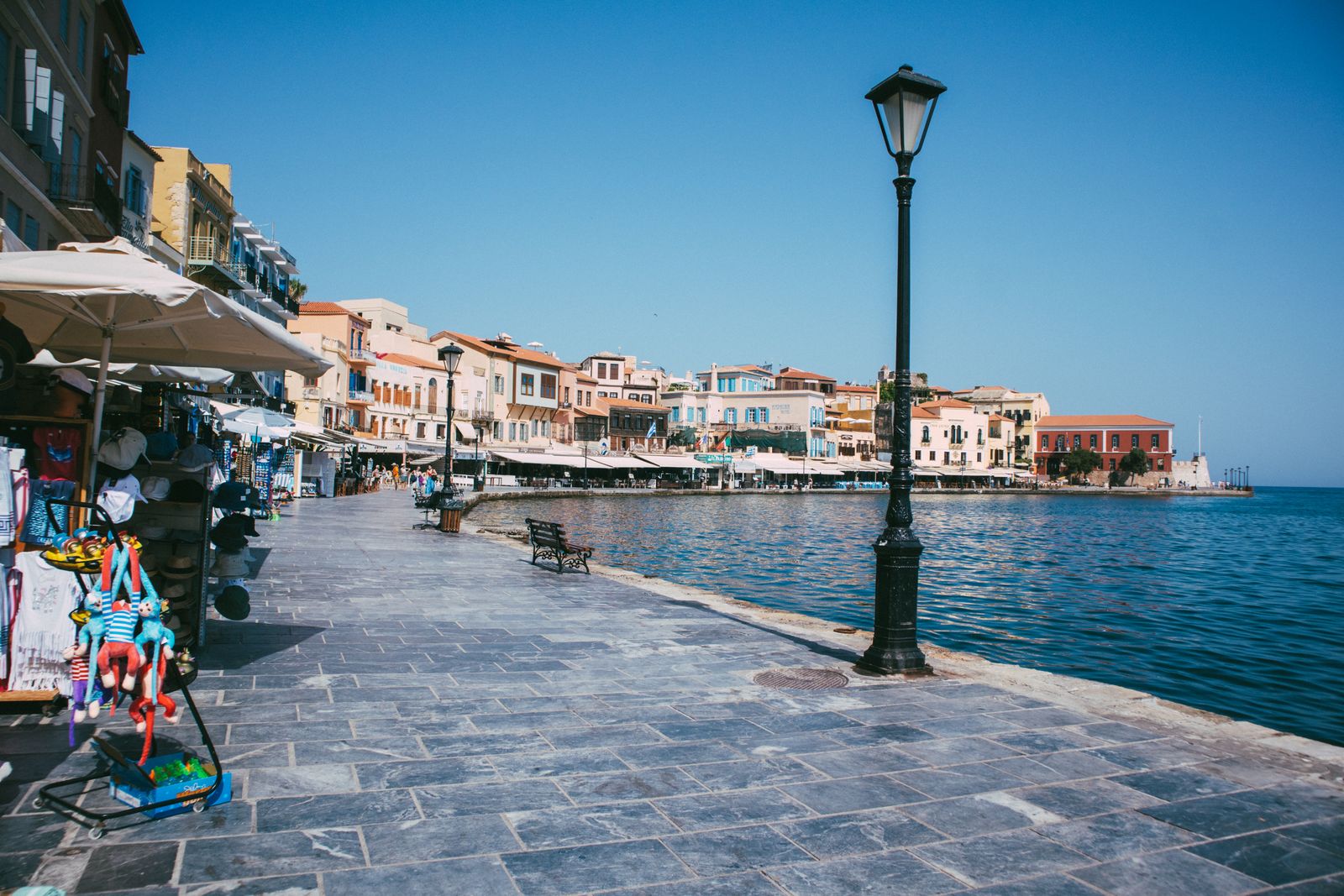
- Chania old town, a Venetian harbour with lighthouses, narrow lanes and colourful houses. An evening walk along the water is an experience on its own.
- The Samaria Gorge, a 16-kilometre hike through one of Europe’s longest gorges. Demanding but unforgettable, open roughly from May to October.
- Elafonisi beach, famous for its pink sand and shallow lagoon. One of Greece’s most photographed beaches and great for families with kids.
- Balos lagoon in the west, turquoise water and white sand. Getting there is an adventure, but the view earns it.
- Rethymno old town, probably the best-preserved old town on Crete, with a Venetian fortress above the sea.
If you are weighing up east versus west Crete, we have a clear favourite for a first visit. The west around Chania and Rethymno is a touch greener, more dramatic and, to our eyes, better covered for vegan food. It is home to Elafonisi, Balos and the Samaria Gorge. The east around Agios Nikolaos is calmer and lovely for a return trip, but for sightseeing and eating, start in the west.
Where to stay in Crete
Crete is big, so your choice of base shapes the whole trip. There is no point staying at one end of the island and driving two hours to the other every day. Here is a quick guide to where to stay based on what you want from the trip.
| Area | Best for | Vegan options |
|---|---|---|
| Chania | First visit, atmosphere, food | Best on the island |
| Rethymno | Old town, calm, central location | Fine, mostly taverna dishes |
| Heraklion | Archaeology, airport, city buzz | Very good, growing scene |
| Agios Nikolaos and east | Quiet, return visits | More limited, plan ahead |
| South coast | Remote beaches, nature | Patchy, mostly vegetarian spots |
A word of caution about vegan hotel breakfasts. The big all-inclusive resorts on Crete do put on generous buffets, but the plant-based options tend to be hit and miss, fresh fruit, bread, sometimes hummus. If you want a stress-free start to the day, it is worth choosing accommodation with its own kitchenette so you can stock plant milk, fruit and bread and do breakfast your own way. When you book, do not be shy about telling the hotel you are vegan, plenty of Cretan places handle it better than you might expect.
Keep this in your pocket: Greek supermarkets like AB Vasilopoulos and Sklavenitis now routinely stock plant milk, tofu and vegan feta. A self-catering apartment pays off twice on Crete, you cover breakfasts and snacks yourself, then save the best of the local kitchen for restaurants.
How to get to Crete and is it safe
Crete has two international airports, the larger one in Heraklion (HER) and a smaller one in Chania (CHQ). In summer both charter and budget flights arrive from all over Europe, including direct routes from much of the continent, and the flight itself takes around three hours. If you are basing yourself in the west, aim for Chania, while for the east and the archaeology Heraklion is more convenient. The other option is the ferry from the Athens port of Piraeus, an overnight crossing of about nine hours that works well if you want to combine Crete with mainland Greece.
And is Crete safe? Yes, it is a very safe destination. Crime is low and you will feel comfortable as a tourist even walking around town in the evening. Most of the risks are practical rather than criminal. The mountain roads are narrow and winding, so take care when driving, and the summer sun is strong, so remember sunscreen and plenty of water. Greece sits in a seismically active region, so small earthquakes are not unusual, but the serious ones are rare and local buildings are designed with them in mind. It is nothing that should change your plans.
Practical tips, getting around and what it costs
A common question is whether Crete is expensive. The short answer, among the Greek islands it is one of the more affordable. It is not luxury Santorini or Mykonos. Taverna food is reasonably priced, fava or dakos cost a few euros, and a main in an ordinary taverna comes in around ten to fourteen euros. You will save the most outside high season, in spring and in September or October, when both accommodation and flight prices drop. If you’d rather do the Cyclades without Santorini prices, see our comparison of Naxos or Paros.
For getting around the island we recommend renting a car. Crete is large, and while public transport between the big towns works (the KTEL buses run reliably along the north coast), the beaches, gorges and mountain villages are hard to reach without a car. With one you will see more in a day, and crucially you can reach the smaller villages where some of the best vegan spots are hiding. If you are comfortable driving on hilly roads, it is hands down the best option.
So how do you order vegan on Crete? English is enough in tourist areas, but a few Greek words open doors, especially in smaller tavernas. Here are the most useful ones.
| English | Greek (transliteration) |
|---|---|
| I am vegan | Ime vegan |
| Fasting food (no meat, dairy, eggs) | Nistisimo |
| Without meat | Horis kreas |
| Without cheese | Horis tyri |
| Without eggs | Horis avga |
| Thank you | Efharisto |
If you are still building the confidence to travel plant-based, have a look at our guide on how to travel vegan even if your partner isn’t. And if you are choosing between Greek islands, you can compare with our write-up of vegan Zakynthos. We covered vegan Rhodes the same way.
Things you might not know about Crete
- The famous Mediterranean diet was born on Crete. Researchers described it in the 1950s based on how locals ate, and Cretans were among the longest-living people in the world at the time.
- Greeks eat plant-based around 200 days a year. Thanks to Orthodox fasting, so “nistisima”, fasting dishes, are a completely normal part of the kitchen.
- Crete has its own deep history. The Minoan civilisation flourished here more than 3,500 years ago and is one of the oldest in Europe.
- One of the world’s oldest olive trees grows here. The olive tree in the village of Ano Vouves is estimated to be two to three thousand years old and still produces olives.
For the non-vegans in your group: Even if you are not going fully plant-based, dakos, fava and fresh bread with olive oil will win over absolutely anyone. Cretan food is proof that eating plant-based is not about what you give up, it is about everything you get to taste.
Crete is proof that a vegan beach holiday does not have to be a compromise. You get warmth for nearly half the year, one of the oldest and healthiest kitchens in the world, and venues that do plant-based food brilliantly. When you pack your bag, take one word with you, “nistisimo”, and the rest will look after itself.
Have you been to Crete and have a spot we should add? Drop it in the comments, we would love to grow this list with your favourite places.
Frequently asked questions
Is Crete vegan friendly?
Yes, Crete is one of the most vegan-friendly Greek islands. Many traditional dishes are plant-based by default, thanks to the Orthodox fasting tradition, and towns like Chania and Heraklion have fully vegan restaurants. Learn the word “nistisimo” and you can eat well almost anywhere.
Where is Crete?
Crete is the largest and most southerly Greek island, sitting in the southern Aegean roughly halfway between mainland Greece and North Africa. It is over 250 kilometres long and has four main towns along the north coast, Heraklion, Chania, Rethymno and Agios Nikolaos.
What is the weather like in Crete in October?
October on Crete is usually pleasantly warm, especially the first three weeks. Daytime temperatures sit around 22 to 26 degrees and the sea is still warm from summer at roughly 23 degrees, so swimming is still on. It rains occasionally but mostly lightly, so a thin rain jacket is all you need.
Is Crete expensive?
Among the Greek islands Crete is one of the more affordable, definitely cheaper than Santorini or Mykonos. A main in an ordinary taverna costs around ten to fourteen euros, and simple dishes like fava or dakos only a few euros. You save the most outside high season, in spring and in September or October.
What should I see in Crete if I only have a few days?
Start in the west. Walk the old town of Chania, head to the pink sand of Elafonisi or the Balos lagoon, and if you are fit, plan a hike through the Samaria Gorge. History lovers should not miss the Minoan palace of Knossos near Heraklion.
How do I order vegan food in Crete?
The easiest approach is to ask for “nistisimo”, meaning fasting food with no meat, dairy or eggs. The phrases “horis kreas” (without meat), “horis tyri” (without cheese) and “horis avga” (without eggs) also help. English works fine in tourist areas, but a few Greek words go a long way in smaller tavernas.
Read next: Planning a Greek holiday and torn between islands? Our guide to the best summer holidays for vegans will help you pick the right one.
Featured photo: Pham Ngoc Anh, Pexels.
Newsletter
Get our free e-books
Join the newsletter and download Our Vegan Christmas Kitchen straight away, 10 recipes for Czech cookies, gingerbread and vánočka. Then once a month, new places from the vegan map and new articles. Unsubscribe with one click.