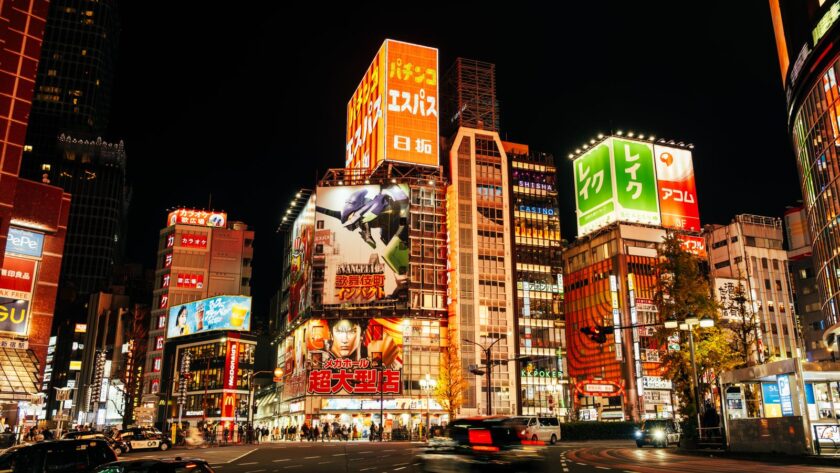
Is Japan vegan friendly? It is the question every plant-based traveller asks before booking, and the honest answer is “more than you’d think, less than you’d hope”. Japan has neon Tokyo, the red gates of Kyoto, the bowing deer of Nara and trains that leave on the second. It also has dashi, a stock that is usually made with dried fish and turns up in miso soup, noodle broths and sauces that look completely innocent.
So can you eat well as a vegan in Japan, or will you spend a fortnight living on rice balls from the corner shop? When should you go to catch the cherry blossoms without paying double for a hotel? What does a day actually cost, is the JR Pass still worth it, and where can you try the Buddhist temple food that has been meat-free for centuries? You’ll find the answers below, with prices in yen and pounds.
We haven’t made it to Japan together yet, so this isn’t a trip diary. It’s careful research.
For every place we name, we read its own website or menu in November 2026. Train prices and entry rules come from official sources, and we converted yen at the Czech National Bank rate of 4 November 2026 (¥1,000 ≈ £4.70). Places we couldn’t verify are left out, even if other sites still recommend them.
Is Japan vegan friendly?
Yes, Japan is vegan friendly enough for a great holiday, as long as you stay mostly in the big cities and learn to ask about dashi. Tokyo, Kyoto and Osaka all have fully vegan restaurants, animal-free ramen and Buddhist temple cuisine called shojin ryori. The countryside and traditional inns are much harder.
Japan’s own national tourism organisation, JNTO, puts it plainly in its vegetarian guide. Japanese cooking uses a lot of meat and fish, and even stocks and sauces usually contain something animal-based. It also says that with a little planning you can travel the country without compromising your diet.
Why is it trickier than, say, Thailand? “Vegetarian” is a borrowed word in Japanese and people read it loosely. A waiter can tell you, quite sincerely, that a dish has no meat, without counting the fish stock or the egg in the batter.
The fix is to be specific about everything you don’t eat. You’ll find the phrases in a table near the end.
If you’re not vegan yourself, here’s the good news. Plant-based food in Japan isn’t a sad substitute. Tofu comes in dozens of forms, from silken to deep-fried, and seasonal vegetables are cooked with real care. Plenty of people travelling with a vegan find that the best meal of the trip was in a temple, not a sushi bar.
Tokyo & Kyoto on our vegan map
7 places, 5 fully vegan. Tap a pin to see the details.
Loading the map…
- 100% vegan
- Vegetarian
- Stays
See every place from this article on our vegan map.
Where to go on a first trip to Japan
The best first-trip route through Japan is Tokyo, Hakone, Kyoto, Nara and Osaka. It all sits on one bullet train line, and every stop has somewhere to eat without animal products. Ten days to two weeks is about right. With more time, add the sacred mountain of Koyasan or Hiroshima.
Tokyo: the most vegan restaurants
Tokyo is the easiest place for vegans to start, because it has the widest choice of fully vegan places in the country. Shibuya and Shinjuku are the districts you know from films, Asakusa and Senso-ji temple show an older side of the city, and Ginza is all department stores. Give it at least four days.
The handy part is that your first vegan ramen can happen the moment you arrive. T’s TanTan sits inside Tokyo Station, where the bullet trains leave for Kyoto.
Hakone and Mount Fuji: hot springs
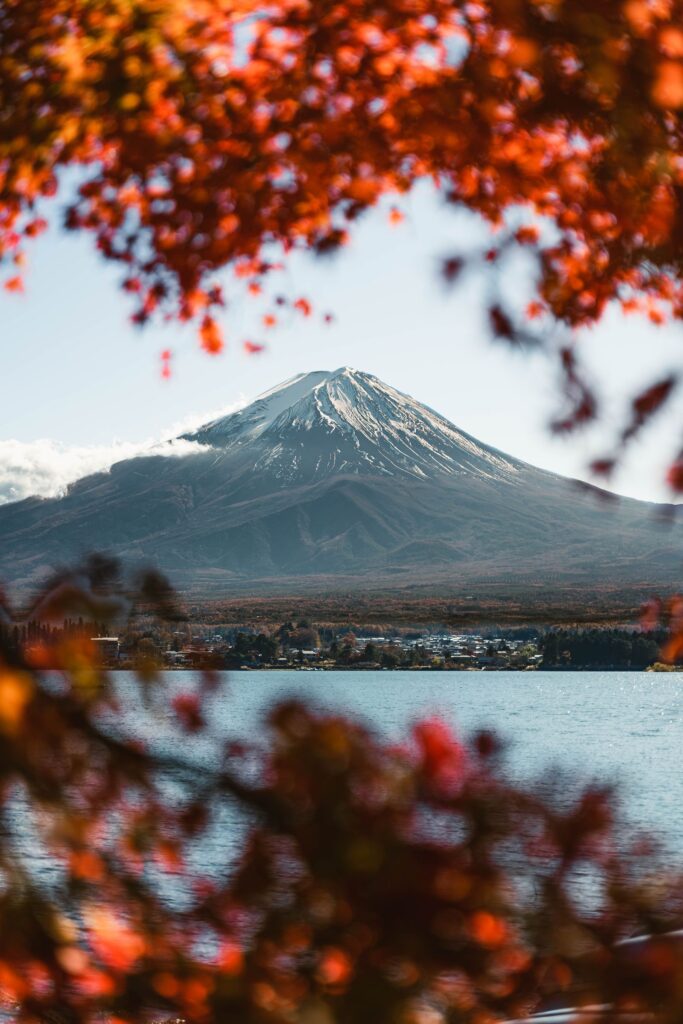
Hakone is a mountain spa town about 80 minutes from Shinjuku on the Romancecar express, with views of Mount Fuji on a clear day. People come for the onsen hot springs and the scenery. Most local inns serve a fish-based dinner, so arrange your meals in advance or book a room without dinner.
Kyoto and Nara: temples and tofu
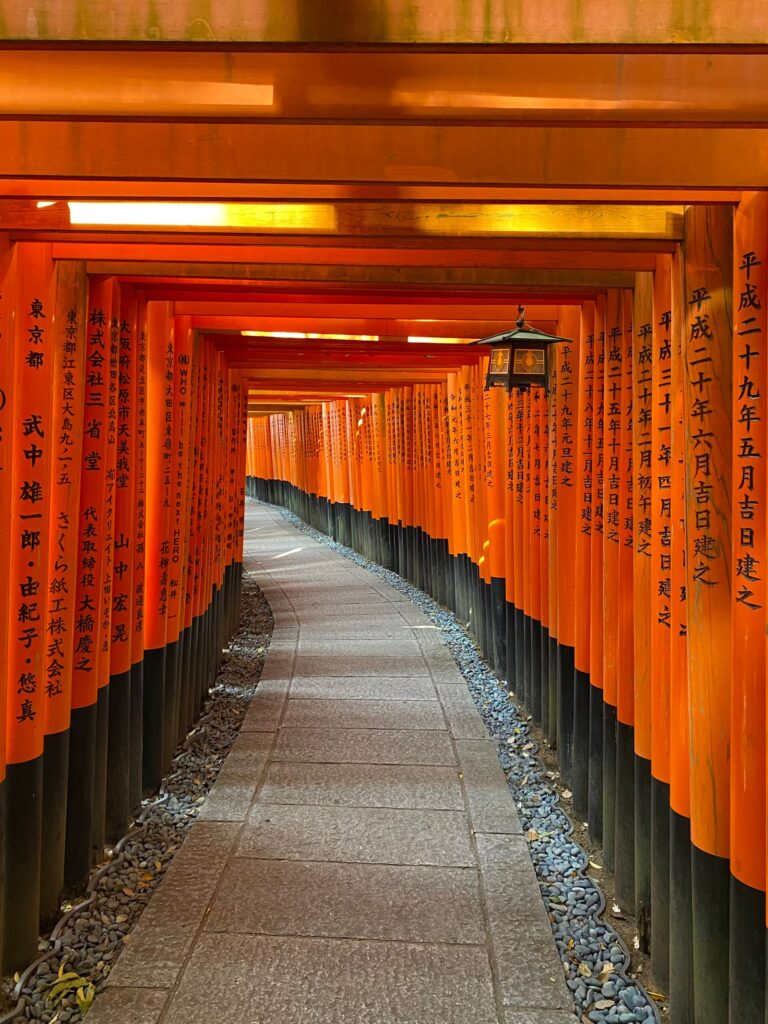
Kyoto is the most interesting city in Japan for vegans, because Buddhist cooking has its deepest roots here. Expect the tunnels of red gates at Fushimi Inari, the bamboo grove in Arashiyama and the old streets of Gion. Tenryu-ji temple in Arashiyama is a UNESCO World Heritage Site, and its restaurant Shigetsu serves Zen cuisine with no meat or fish.
Nara is under an hour by train from Kyoto and works as a day trip. It’s famous for the tame deer in its park and the giant Buddha at Todai-ji.
Osaka, Koyasan and Hiroshima
Osaka is Japan’s street-food city, centred on the neon of Dotonbori. Its most famous dishes aren’t vegan, though. Takoyaki balls contain octopus, and okonomiyaki pancakes are usually made with egg and fish flakes. That’s why it’s worth booking a meal at Paprika Shokudo Vegan, a fully vegan restaurant serving Japanese set meals such as soy-meat karaage and vegan hamburg steak.
Koyasan is the sacred mountain of Shingon Buddhism in Wakayama Prefecture. Since 2004 it has been part of the UNESCO site “Sacred Sites and Pilgrimage Routes in the Kii Mountain Range”. Dozens of its temples offer overnight stays called shukubo and serve shojin ryori. Hiroshima, with its Peace Memorial, and Miyajima island, with its torii gate standing in the sea, lie further west.
A 12-day vegan Japan itinerary
For twelve days in Japan, a simple route with no wasted transfers works best. Four nights in Tokyo, with ramen at T’s TanTan and pancakes at Ain Soph Ginza. One night in Hakone with a view of Fuji, ideally on a room-only rate. Then four nights in Kyoto, with lunch at Shigetsu (just not on a Thursday) and a day trip to Nara.
From Kyoto, head up to a Koyasan temple for one night, and spend the last two nights in Osaka, with dinner at Paprika Shokudo Vegan. You can fly home from Osaka’s Kansai Airport, so there’s no need to go back to Tokyo. With fourteen days, slot in Hiroshima and Miyajima between Kyoto and Osaka.
When is the best time to visit Japan?
The best time to visit Japan is spring (late March to May) or autumn (October to early December). Spring brings the cherry blossoms, autumn turns the maples red, and both seasons are comfortable for walking. Summer is hot and very humid, and August and September can bring typhoons.
Cherry blossoms and autumn leaves
According to JNTO, cherry blossoms open between March and May, moving from south to north. In Tokyo and Kyoto that usually means late March and early April. The exact dates shift by a few days every year, so follow the bloom forecasts that Japanese weather companies publish from winter onwards.
Autumn colour travels the other way, from north to south, between late September and early December. Kyoto is at its most colourful in late November and early December. Many travellers prefer autumn, because the weather is more settled and hotels aren’t priced for blossom season.
Japan month by month
| When | Weather | What’s on | Vegan note |
|---|---|---|---|
| January to February | cold, often sunny, snow in the north | skiing in Hokkaido, fewer tourists | hot soups nearly always have dashi, so ask |
| Late March to April | mild and fresh | cherry blossoms, the priciest hotels of the year | book Kyoto temple restaurants ahead |
| Late April to early May | warm | Golden Week, when Japan goes on holiday | packed trains and restaurants, best avoided |
| June to July | rainy season, then heat | lush green, quieter in June | cold zaru soba, but the dipping sauce usually has dashi |
| August to September | hot, humid, typhoons | Obon festival in mid-August | convenience stores and air-conditioned cafes save the day |
| October to November | pleasant and settled | autumn colour, perfect for Koyasan | seasonal mushrooms and chestnuts in temple food |
| December | cold | last of the autumn colour, closures around New Year | some places take a year-end break |
Holidays to avoid
Three periods are the busiest in Japan. Golden Week at the turn of April and May, the Obon festival in mid-August, and the days around New Year. Japanese families travel at home then, trains sell out and hotels cost more. Around New Year, some restaurants and shops also close.
Japanese food: what’s vegan and where fish hides
Japanese food is tricky for vegans mainly because of dashi, the stock behind a huge number of dishes. Rice, noodles, tofu, miso and vegetables are plant-based on their own. The problem is what they’re cooked in and seasoned with.
Is dashi vegan?
Usually not. Dashi is Japanese stock, and the most common kind contains katsuobushi, shavings of dried bonito fish. Four types of dashi are standard in Japanese cooking. Kombu dashi is made from kombu seaweed, katsuo dashi from the fish shavings, awase dashi combines the two, and shiitake dashi comes from dried mushrooms.
Only kombu and shiitake dashi are vegan. So asking whether a dish contains dashi isn’t enough. You need to ask what the dashi is made from. The Japanese government’s magazine for overseas readers also notes that home cooks often use ready-made dashi from katsuobushi and kombu.
Dishes that look vegan but often aren’t
| Dish | What’s often in it | What to ask or order instead |
|---|---|---|
| Miso soup | fish-based dashi | fully vegan places make it with kombu |
| Vegetable tempura | egg in the batter | ask for egg-free batter |
| Soba and udon in broth | dashi in the broth | vegan ramen or udon at a verified restaurant |
| Tsukemono pickles | fish seasoning or dashi | read the label |
| Seaweed salad | fish sauce or bonito flakes | ask about the dressing |
| Rice crackers | bonito flakes or fish seasoning | look for かつお and 魚介 on the pack |
| Tofu dishes | dashi, or bonito flakes on top | order hiyayakko without katsuobushi |
| Okonomiyaki and takoyaki | egg, fish flakes, octopus | skip them unless a place clearly offers a vegan version |
Four characters worth learning: かつお (katsuo, bonito fish), 魚介 (gyokai, fish and seafood), 卵 (tamago, egg) and 乳 (nyū, milk). If you see them on an ingredients list, it isn’t vegan. On the other hand, 豆乳 (tōnyū) is soy milk, sold in every shop. You can photograph a label and translate it in Google Translate, but trace ingredients aren’t always listed on Japanese packs.
What is shojin ryori?
Shojin ryori is Buddhist temple cuisine, cooked without meat or fish from seasonal vegetables, tofu and wild plants. According to Tenryu-ji temple, it came to Japan with Zen Buddhism in the 13th century. Traditionally it’s vegan, and it also leaves out garlic and onion.
JNTO flags one exception. Modern monks don’t consider dairy harmful to animals, so some temples use it occasionally. When you book, say that you’re vegan and eat no milk or eggs either. The best places to try shojin ryori are the temple restaurants of Kyoto and an overnight temple stay on Koyasan.
Vegan food at Japanese convenience stores
Japanese convenience stores, called konbini (7-Eleven, FamilyMart, Lawson), are open around the clock and always have something plant-based. JNTO lists onigiri rice balls filled with umeboshi plum or kombu seaweed, natto, edamame, salads and inarizushi, which is rice tucked into a pocket of fried tofu.
Don’t grab anything blind, though. The rice in inarizushi and the filling of an onigiri can be seasoned with fish stock, so always check the label. If you’re travelling with a non-vegan, a konbini breakfast is also the cheapest meal you’ll both eat all trip.
In Japan, asking whether a dish has meat in it isn’t enough. The question that matters is what the stock is made from.
What to try even if you’re not vegan
A few Japanese dishes taste great to everyone and come without animal products in the right places. Nasu dengaku is aubergine grilled with a sweet miso glaze.
Hiyayakko is chilled silken tofu with ginger and spring onion, just without the fish flakes on top. Kappa maki are cucumber sushi rolls, and takuan maki are filled with pickled daikon radish. And if you love noodles, try tantanmen with a rich sesame broth, which T’s TanTan in Tokyo makes with no animal products at all.
You can get a head start at home, too. Our vegan miso ramen with crispy tofu uses a fish-free broth and is ready in about an hour.
Where to eat vegan in Tokyo, Kyoto and Osaka
Tokyo has the most fully vegan restaurants, Kyoto has the best temple food, and Osaka does the best vegan versions of street-food classics. For every place below, we read its own website or official listing. We checked that it cooks without meat, fish, eggs and dairy, or that it’s vegetarian temple cuisine where it pays to ask.
Vegan Tokyo
T’s TanTan is a fully vegan ramen shop inside Tokyo Station, in the Keiyo Street area on the ground floor (1F), behind the ticket gates. Its website says it uses no meat, seafood, eggs or dairy.
Order the golden sesame tantanmen and add a plate of pan-fried vegetable gyoza. Chiyoda City’s tourism association lists it as open daily from 10am to 10pm. Because it’s behind the gates, you need a JR ticket or a platform ticket to get in.
Ain Soph Ginza is a fully vegan restaurant and patisserie, founded in 2009. The ground floor sells cakes and cookies, and the floors above are the restaurant.
It’s best known for fluffy pancakes, which its website says are gluten-free. A pancake set with salad, soup and a drink costs ¥4,980 (about £23). At weekends it opens at 8am for breakfast.
Saido in Jiyugaoka serves vegan Japanese cuisine without meat, fish, MSG, garlic or onion. It opened in 2018 and works by reservation only, with lunch from noon to 3pm and dinner from 6pm to 9pm, closed on Wednesdays. It’s a good choice for one special evening, when you want to taste Japanese dishes you won’t find vegan anywhere else.
Ramen before your train: T’s TanTan is behind the ticket gates at Tokyo Station, so it’s perfect right before the bullet train to Kyoto. The ticket you already hold gets you in, and there’s no detour. Follow the signs for the Keiyo Line platforms.
Vegan Kyoto
Shigetsu is the restaurant of Tenryu-ji temple in Arashiyama and serves Zen vegetarian shojin ryori. The temple describes its food as seasonal vegetables and herbs, prepared “while depriving no animals of life”. The MICHELIN Guide Kyoto Osaka 2025 gave it a Bib Gourmand.
Lunch runs from 11am to 2pm, and it’s closed on Thursdays. The Yuki set (rice, soup and five side dishes) costs ¥3,800 (about £18), Tsuki ¥6,500 (about £30) and Hana ¥9,000 (about £42), plus ¥500 garden admission.
Veg Out is a vegan cafe overlooking the Kamogawa river, a short walk from Kyoto Station. It serves breakfast from 9am to 10:30am, lunch from 11:30am to 3pm, and coffee and cake in the afternoon. It’s closed on Mondays and some irregular days. It’s a good spot for a calm lunch between temples, where you don’t have to explain a thing.
Shigetsu doesn’t open on Thursdays: Tenryu-ji’s restaurant is closed on Thursdays and fills up in blossom and autumn-colour season. Book lunch through the form on the temple’s website and plan your Arashiyama day for another day of the week.
Osaka
Paprika Shokudo Vegan in Osaka’s Shinmachi district is a fully vegan restaurant best known for Japanese set meals such as soy-meat karaage and vegan hamburg steak. On the Tabelog page the restaurant runs itself, it lists opening hours of 11:30am to 3pm and 5:30pm to 9:30pm, closed on Wednesdays and some irregular days. It’s the kind of place where a non-vegan can eat a hearty Japanese set meal and not feel they’ve missed out on anything.
Koyasan
Eko-in is a temple on Koyasan where you can stay the night and eat shojin ryori for dinner and breakfast. Lunch is also open to visitors who aren’t staying, as long as you reserve it in advance. The temple has English-speaking staff, morning services, ajikan meditation and the goma fire ritual.
Where to stay: ryokan, temple or hotel
For vegans, the simplest plan is an ordinary hotel in the cities plus one night in a Buddhist temple. Traditional ryokan inns are an experience, but their dinners are nearly always fish-based.
Ryokan: lovely, but ask first
A ryokan is a Japanese inn with tatami mats, futons and often its own hot spring baths. Dinner is a set menu prepared well in advance. Tour operator InsideJapan, whose consultant is vegan, warns that most ryokans won’t adapt it for vegans. JNTO, on the other hand, says some ryokans will cook a vegetarian feast if you contact them ahead.
In practice that means one thing. Before you book a ryokan, email and ask whether they can make dinner without meat, fish, eggs, dairy and fish-based dashi. If the answer is no, choose a room-only rate and eat in town.
Shukubo: a night in a Koyasan temple
Shukubo is an overnight stay in a Buddhist temple, and for vegans it’s the safest traditional accommodation in Japan. Dinner and breakfast are shojin ryori. Eko-in on Koyasan opens bookings 11 months ahead, so plan early for spring and autumn.
In the cities, a normal hotel is fine. Look for a room with a fridge, so you can keep soy milk and fruit for breakfast. If you’d like somewhere fully vegan, have a look at our roundup of fully vegan hotels around the world, with tips on how to spot one.
Book the temple night first: Flights to Japan can wait until a few months out, but Koyasan temples fill up in spring and autumn. Eko-in opens bookings 11 months ahead. Once you have your dates, secure the temple first and build the rest of the route around it.
Is Japan expensive?
Japan costs roughly ¥15,000 to ¥25,000 per person per day without flights, about £70 to £117, if you stay in decent hotels and eat in restaurants. Konbini meals and hostels bring that down. The big one-off costs are the flight and the trains.
Flights from the UK
From London, Japan Airlines, British Airways and ANA fly direct from Heathrow to Tokyo Haneda, and the flight takes around 13 and a half to 14 hours. From elsewhere in Europe, count on one change, for example with Finnair through Helsinki, which flies on to Tokyo and Osaka. On a flight that long, pre-order a vegan meal. We explain how in our guide to the vegan airline meal (VGML).
Trains and the JR Pass
The Nozomi bullet train takes just over two hours from Tokyo to Kyoto, and a reserved seat costs about ¥14,000 (about £66). A seven-day ordinary JR Pass costs ¥50,000 (about £234) bought online, according to the official JR Pass website, or ¥53,000 from an overseas agent. To ride the fastest Nozomi trains, pass holders also need a special supplement ticket.
The pass only pays off if you cover a lot of ground in a week, for example Tokyo to Hiroshima and back plus several regional day trips (a Tokyo to Hiroshima return alone is about ¥39,000). For Tokyo, Kyoto and Osaka alone, single tickets usually work out cheaper.
What food and experiences cost
| Item | Price in yen | About in pounds |
|---|---|---|
| Mid-range daily budget (excluding flights) | 15,000 to 25,000 | £70 to £117 |
| Nozomi bullet train, Tokyo to Kyoto, reserved seat | about 14,000 | £66 |
| 7-day JR Pass, ordinary class, online | 50,000 | £234 |
| Shojin ryori lunch at Shigetsu (Kyoto) | 3,800 to 9,000 | £18 to £42 |
| Pancake set at Ain Soph Ginza (Tokyo) | 4,980 | £23 |
| Bento course at Ain Soph Ginza | 7,800 | £37 |
| Ajikan meditation at Eko-in for non-staying visitors | 2,000 (offering) | £9 |
Visas and practical tips
UK citizens don’t need to apply for a visa in advance. According to GOV.UK travel advice for Japan, you get a visa on arrival for tourism for up to 90 days. Your passport only needs to be valid for the length of your stay. JESTA, an online pre-travel authorisation similar to the US ESTA, is still only planned, with the Japanese government aiming to launch it in 2028.
Carry some cash in yen. Cards work in hotels and big shops, but smaller restaurants and temples often want cash. For city transport, get a Suica card and tap it at the gates. Tipping isn’t part of Japanese culture.
To find restaurants, start with JNTO’s vegetarian and vegan guide, which also points to Vegewel, a Japanese restaurant search site for vegetarian, vegan and gluten-free food. Some places display a sticker from the Japan Vegan Society or VegeProject Japan on the door.
Read next: How to travel vegan
Going to Japan with someone who isn’t vegan? Have a look at our guide on how to travel vegan, even with a non-vegan partner, from planning meals to finding restaurants you’ll both enjoy.
Japanese phrases for vegans
The most useful Japanese sentence for vegans is asking what the dashi is made from. English goes only so far, even in big-city restaurants, so keep these phrases on your phone or print them on a card to show the staff.
| English | Japanese | Say it like / When it helps |
|---|---|---|
| I’m vegan. | ヴィーガンです。 | bee-gan des, to open your order |
| I can’t eat meat or fish. | 肉と魚は食べられません。 | nee-koo toh sah-kah-nah wah tah-beh-rah-reh-mah-sen |
| I can’t eat eggs or dairy either. | 卵と乳製品も食べられません。 | tah-mah-goh toh nyoo-say-hin moh tah-beh-rah-reh-mah-sen |
| What is your dashi made from? | だしは何で作っていますか? | dah-shee wah nahn deh tsoo-koot-teh ee-mahs kah, the key question |
| Does it contain bonito dashi? | かつおだしは入っていますか? | kah-tsoh dah-shee wah hight-teh ee-mahs kah |
| No fish flakes, please. | かつお節なしでお願いします。 | kah-tsoh-boo-shee nah-shee deh oh-neh-gai shee-mahs, for tofu and salads |
| Is there anything animal-based in it? | 動物性のものは入っていますか? | doh-boo-tsoo-say noh moh-noh wah hight-teh ee-mahs kah |
| With soy milk, please. | 豆乳でお願いします。 | toh-nyoo deh oh-neh-gai shee-mahs, at cafes |
| Thank you. | ありがとうございます。 | ah-ree-gah-toh goh-zai-mahs |
So, is Japan vegan friendly enough to be worth it?
Yes, and maybe more than places with far more vegan restaurants. Japan teaches you one thing you’ll take home. Asking about meat isn’t enough, you have to ask about the stock.
Once that question becomes a habit, the rest follows. Fish-free ramen in Tokyo, a temple lunch in Kyoto cooked the same way for centuries, and a vegan karaage set in Osaka your non-vegan travel buddy will happily share. The trick is to plan your meals as carefully as your route, book the temple and temple restaurants early, and keep a few Japanese phrases on your phone. If you’re heading further into Asia, read our guide to whether Thailand is vegan friendly too.
Have you been to Japan? Where did you find the best dashi-free meal? Tell us in the comments, and we’ll happily check your tips and add them.
Frequently asked questions
Is it easy to be vegan in Japan?
It’s easy in Tokyo, Kyoto and Osaka and hard in the countryside. The big cities have fully vegan restaurants and temple cuisine, but dashi made from fish is in many everyday dishes, and most ryokan dinners are fish-based. Plan where you’ll eat, learn a few phrases and always ask what the stock is made from.
Is dashi vegan?
Usually not. The most common dashi is made from katsuobushi, shavings of dried bonito fish, often combined with kombu seaweed. Only kombu dashi and shiitake dashi are vegan, so always ask what the dashi is made from.
Can vegans eat at Japanese convenience stores?
Yes, with label-checking. 7-Eleven, FamilyMart and Lawson usually stock onigiri with umeboshi plum or kombu, natto, edamame, salads and soy milk. Fillings and rice can be seasoned with fish stock, so look for かつお (bonito) and 魚介 (seafood) on the ingredients list.
Do I need a visa for Japan from the UK?
No visa application is needed. British citizens get a visa on arrival for tourism for up to 90 days, according to GOV.UK, and the passport must be valid for the whole stay. The planned JESTA online authorisation isn’t expected before 2028.
What is shojin ryori?
Shojin ryori is Japanese Buddhist temple cuisine, made without meat or fish from seasonal vegetables, tofu and wild plants. It’s traditionally vegan and leaves out garlic and onion, though some temples occasionally use dairy. You can try it at Shigetsu in Kyoto or during a temple stay on Koyasan.
Newsletter
Get our free e-books
Join the newsletter and download Our Vegan Christmas Kitchen straight away, 10 recipes for Czech cookies, gingerbread and vánočka. Then once a month, new places from the vegan map and new articles. Unsubscribe with one click.