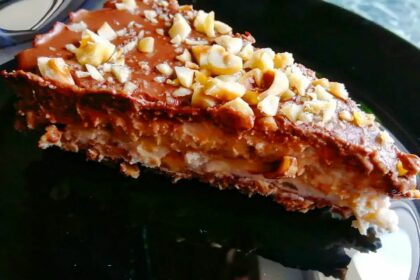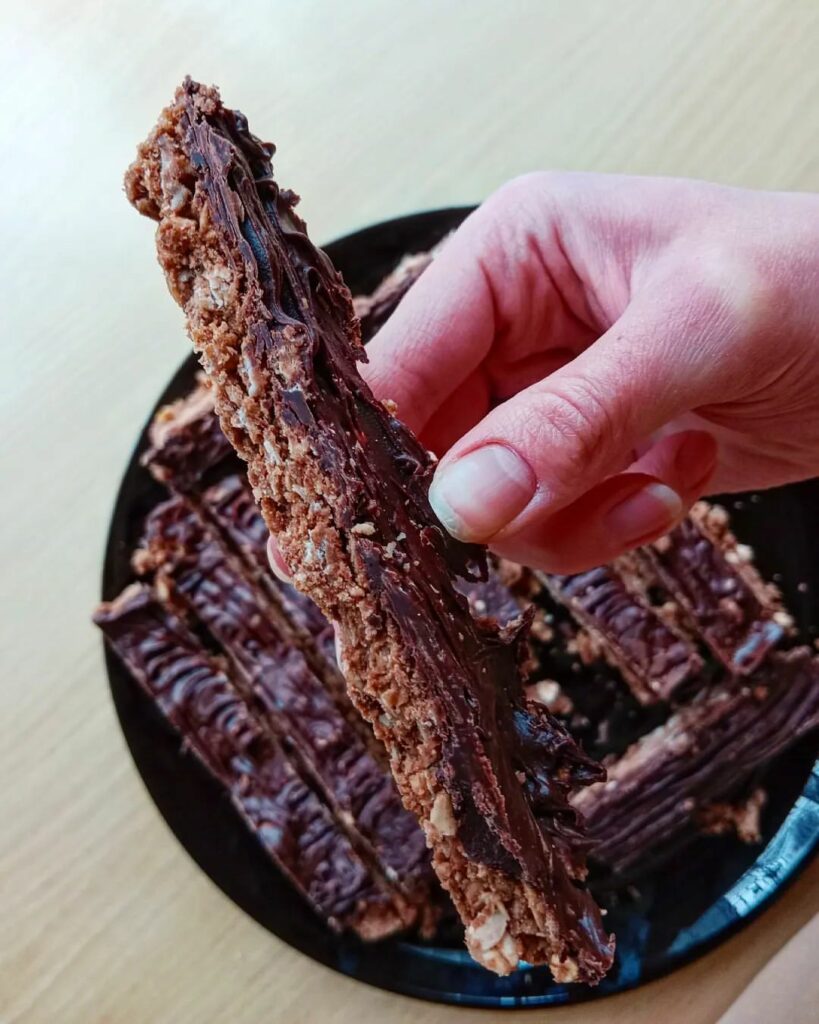
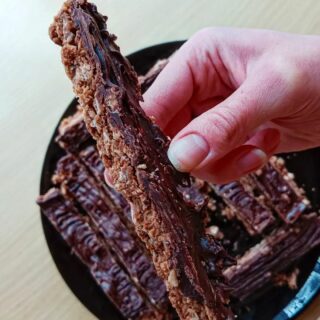
Homemade vegan protein bars are one of the best things you can make at the start of the week. Twenty minutes of work and you have a stash of satisfying snacks to last you several days, with no preservatives, no mystery ingredients, and a proper dark chocolate coating that makes them feel more like a treat than a “healthy” substitute. This recipe is also no-bake, which means no oven needed at any point. We put together a whole collection in the same spirit, our vegan no bake desserts for summer.
How much protein do these bars actually contain? Can you swap the chicory syrup for something else? And how long do they keep? We’ll cover all of that. The recipe is deliberately simple and adaptable, whether you’re actively building protein into your diet or just want a better snack than the packaged options at the shop.
Why You’ll Love This Recipe
Shop-bought protein bars have one big problem: they’re expensive and most of them contain an ingredient list that reads more like a chemistry textbook than a recipe. The homemade version fixes that simply.
- No baking required: the whole recipe happens without an oven, just the fridge
- Ready in 20 minutes of hands-on time, then you just wait for them to set
- Real chocolate coating: not a chocolate-flavoured glaze but a proper layer of dark chocolate with peanut butter
- Packed with protein: from oat flour, peanut butter, and protein powder working together
- Completely plant-based: no dairy, no eggs, no compromise
These bars work perfectly as a pre- or post-workout snack, but they’re just as good as a small sweet ending to lunch when you don’t want a full dessert.
Interesting Facts About Protein Bars and Key Ingredients
Protein bars as a category emerged from the sports world in the 1980s, when athletes needed a practical format for quick energy and protein. But today’s commercial versions have drifted far from that original purpose: many are loaded with high-glycaemic syrups, artificial flavourings, and low-quality fats. A homemade version brings protein bars back to what they were always supposed to be.
Chicory syrup is one of the most interesting ingredients in this recipe. It’s made from chicory root and consists primarily of inulin, a type of soluble fibre with prebiotic properties. Unlike regular sugar or glucose-fructose syrup, it has a low glycaemic index and helps nourish the beneficial bacteria in your gut. It’s noticeably less sweet than honey or maple syrup, which means the finished bars aren’t cloying.
Rolled oats and oat flour are among the most well-studied foods in sports nutrition. Beta-glucan, a soluble fibre found in oats, measurably slows the absorption of sugars into the bloodstream and contributes to lasting satiety. Oat flour also gives the bar mixture the right consistency, binding without the complications that wheat flour can introduce.
And then there’s the dark chocolate coating: quality dark chocolate with a high cocoa content (70% or above) contains flavonoids, natural antioxidants with anti-inflammatory properties. The amount per bar is modest, but it adds a layer of genuine flavour that makes these bars actually satisfying rather than just nutritionally functional.
Health Benefits
Each ingredient in this recipe brings something specific to the table. Here’s what matters most.
Peanut butter is one of the most accessible sources of plant-based protein. Two tablespoons (around 32g) provide roughly 8g of protein and 16g of healthy unsaturated fats. These fats help the body absorb fat-soluble vitamins and contribute to satiety. Peanut butter also provides magnesium, phosphorus and B vitamins. If you’re choosing one, look for 100% peanut butter with no added palm oil or sugar. For more plant protein inspiration, have a look at our guide to the best plant-based protein sources.
Rolled oats are an excellent source of complex carbohydrates and beta-glucan. 100g of raw rolled oats contains approximately 13g of protein, 67g of carbohydrates and 10g of fibre. Combined with peanut butter and protein powder, they form a base that keeps you full for hours. For those tracking glycaemic index, oats sit at around 55 (medium GI), and the combination with fats and protein brings it down further in practice.
Vegan protein powder rounds out the amino acid profile of the bars. The recommended daily protein intake sits around 0.8g per kilogram of body weight for adults, and higher for those who train regularly. Each bar provides approximately 8 to 10g of protein, making it a genuinely useful addition to your diet rather than just a sweet snack.
Nutritional Values
Approximate values per 1 bar (from a batch of 10). Values vary depending on specific protein powder and ingredients used.
| Nutrient | Amount per serving |
|---|---|
| Calories | ~240 kcal |
| Protein | 8–10 g |
| Carbohydrates | 22 g |
| Fat | 13 g |
| Fibre | 3 g |
Vegan Protein Bars
Ingredients
- 100 g Rolled oats
- 100 g Peanut butter 100% natural, no added sugar
- 70 g Oat flour
- 75 g Chicory syrup (inulin syrup) or maple syrup
- 35 g Vegan protein powder chocolate or vanilla flavour works best
Chocolate coating:
- 140 g Dark chocolate 70% cocoa or higher
- 15 g Vegan butter
- 15 g Peanut butter
Instructions
- Mix all the bar ingredients together until well combined. Press the mixture firmly into a lined baking tin.
- Melt the dark chocolate with the vegan butter and peanut butter, then pour over the oat mixture in the tin.
- Refrigerate for at least 2 hours until fully set. Slice into 10 bars and serve. Store in an airtight container in the fridge.
Notes
Tips and Variations
The base recipe is intentionally simple. Here are the most popular variations and a few storage tips.
- No protein powder: replace the protein powder with the same amount of oat flour or ground nuts. The bars will be lower in protein but still delicious and filling
- No chicory syrup: replace with maple syrup, agave syrup or date paste (around 75g). The result will be sweeter and slightly higher in calories
- Nut butter swap: replace peanut butter with almond or cashew butter for a milder flavour
- Add mix-ins: a handful of dried cranberries, chopped nuts or cacao nibs adds texture and extra flavour
- Skip the chocolate coating: the bars work without it, but the coating makes them significantly more satisfying. If you skip it, add an extra tablespoon of peanut butter to the base to compensate
Store finished bars in an airtight container in the fridge, where they’ll keep for 5 to 7 days. They also freeze well: wrap individually or separate with baking paper and freeze for up to 3 months. Let them thaw at room temperature for about 15 minutes before eating.
What to Serve Them With
These bars are a standalone snack, but they fit naturally into a broader approach to healthy vegan eating.
- As a post-workout snack with a cup of black coffee or plant-based milk
- In a lunchbox instead of a shop-bought biscuit or bar
- Alongside a bowl of overnight oats as a sweet extra for breakfast
- As a small dessert after lunch when you want something sweet but not a full slice of cake
These bars also travel well: wrap them in baking paper and take them to work, on a hike or to the gym. The chocolate coating softens slightly in warm temperatures but the bar holds its shape.
Frequently Asked Questions
Can you make vegan protein bars without protein powder?
Yes, you can leave out the protein powder and replace it with the same amount of oat flour or ground nuts. The bars will have less protein overall, but they’ll still be satisfying and nutritious. The main protein sources will then be the rolled oats and peanut butter.
What is chicory syrup and can it be substituted?
Chicory syrup (also called inulin syrup) is made from chicory root and consists mainly of inulin, a prebiotic fibre with a low glycaemic index. It’s less sweet than most syrups and supports gut health. You can substitute it with maple syrup, agave syrup or date paste. The flavour and sweetness will change slightly, but the recipe still works well.
How long do homemade vegan protein bars last?
In an airtight container in the fridge, they keep for 5 to 7 days. Frozen, they last up to 3 months. The chocolate coating can soften at room temperature, so it’s best to keep them chilled until you’re ready to eat.
How much protein do these bars contain?
Approximately 8 to 10g of protein per bar, depending on the protein powder used. The main protein sources are peanut butter, rolled oats and the protein powder. For comparison, most commercial protein bars contain 15 to 20g, but also significantly more artificial additives.
Are these protein bars gluten-free?
Not in the standard recipe, as they contain rolled oats and oat flour, which are often processed alongside wheat. For a gluten-free version, use certified gluten-free rolled oats and oat flour. Also check that your protein powder is certified gluten-free.
Can you make these bars without the chocolate coating?
Yes, the coating is optional. Without it, the bars are lower in calories and easier to transport in warm weather. If you skip the chocolate, we recommend adding an extra tablespoon of peanut butter to the base mixture to prevent them from being too dry.
Homemade vegan protein bars are proof that a nutritious snack doesn’t have to taste like a compromise. Simple ingredients, no oven required, and a result that genuinely satisfies even when you’re craving something sweet. Make a batch at the start of the week and see how quickly they disappear. We’d love to hear which protein powder you used and whether you added any extras to the mix.
Newsletter
Get our free e-books
Join the newsletter and download Our Vegan Christmas Kitchen straight away, 10 recipes for Czech cookies, gingerbread and vánočka. Then once a month, new places from the vegan map and new articles. Unsubscribe with one click.