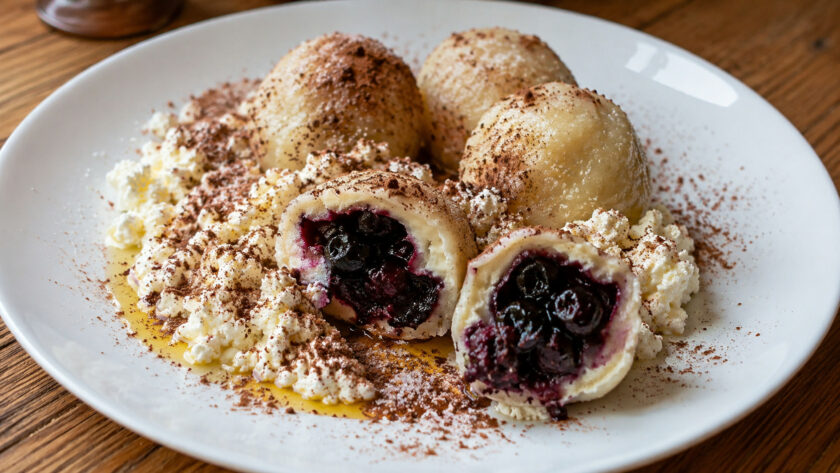
If you have ever eaten in a Czech home in summer, you have probably met these. A big pot steaming on the stove, a bowl of strawberries or plums on the table, and twenty minutes later a plate of soft dumplings swimming in melted butter and poppy seeds. Vegan Czech fruit dumplings taste exactly the same, only there is no egg, no quark, and no dairy butter anywhere in them. Nobody at the table will guess the difference.
So can you really make fruit dumplings without eggs or quark and still keep them from bursting in the water? What dough works best, and how long do you actually boil them? And which fruit should you use through summer as strawberries, apricots, blueberries and the first plums come into season? We will walk you through all of it. One reliable vegan dough that works for all four fruits, how to wrap a dumpling so it holds together, and the toppings that make them taste like the ones your grandmother would have made.
Why classic fruit dumplings aren’t vegan (and what to use instead)
Traditional fruit dumplings rely on three ingredients vegans skip. The dough usually contains quark (a fresh curd cheese called tvaroh) and egg, and the finished dumplings are poured with butter. The good news is that each one swaps out cleanly, and the result stays soft, tender and gently tangy, exactly as it should be.
| Classic ingredient | Vegan swap | Why it works |
|---|---|---|
| Quark (tvaroh) | Blended soft white tofu (or vegan quark) | Gives the same gently tangy flavour and holds the dough together |
| Egg | A spoon of starch or a little extra flour | Binds the dough without needing egg |
| Butter for pouring | Plant-based butter | Melted and golden, it tastes the same without the dairy |
| Cream topping | Vegan quark or a plant-based sour alternative | Creamy spoonful over the top |
Poppy seeds, breadcrumbs and icing sugar are all naturally vegan, so the toppings are the easy part. The only two things to watch are the dough and the butter.
What dough makes the best fruit dumplings
Every Czech family swears by a different dough, and honestly none of them is wrong. They differ mostly in how long they take and how the dumpling turns out. Quark dough (ours from tofu) is the quickest and most forgiving, yeast dough is the fluffiest, and potato dough holds heavier fruit like plums best. Here is a quick comparison.
| Dough | Difficulty | Result | Best for |
|---|---|---|---|
| Tofu (“quark”) | Easiest, no rising | Soft, tender, slightly tangy | Strawberries, apricots, blueberries |
| Yeast | More time needed | Fluffy and filling | Blueberries, plums |
| Potato | Medium, uses boiled potatoes | Firm, holds well | Plums, larger fruit |
For your first batch we recommend the tofu dough. It comes together in minutes, there is no rising to watch, and it handles almost any summer fruit. That is the dough this whole recipe is built on.
Vegan tofu dough (the base for every dumpling)
This is our base dough for strawberry, apricot, blueberry and plum dumplings alike. The quantities make roughly 10 to 12 dumplings, which is two to three servings as a main meal.
Dough ingredients
- 250 g soft white tofu (well drained)
- 200 g plain flour (plus extra for dusting)
- 2 tbsp plant-based milk
- 1 tbsp starch (corn or potato)
- a pinch of salt
- 1 tsp icing sugar
Method
- Mash the tofu with a fork or blend it smooth so there are no lumps. The finer it is, the softer the dough.
- Add the flour, starch, salt, sugar and plant milk. Work into a smooth, non-sticky dough. If it sticks, add flour a spoon at a time; if it feels dry, add a splash of milk.
- Let the dough rest for five minutes under a tea towel, it shapes more easily afterwards.
- On a floured surface, roll it out about half a centimetre thick and cut into squares sized to your fruit.
Tip: The dough shapes best when your hands are lightly floured and the fruit is dry. Wet fruit is the number one reason dumplings open up in the water.
Four summer versions, one for each fruit
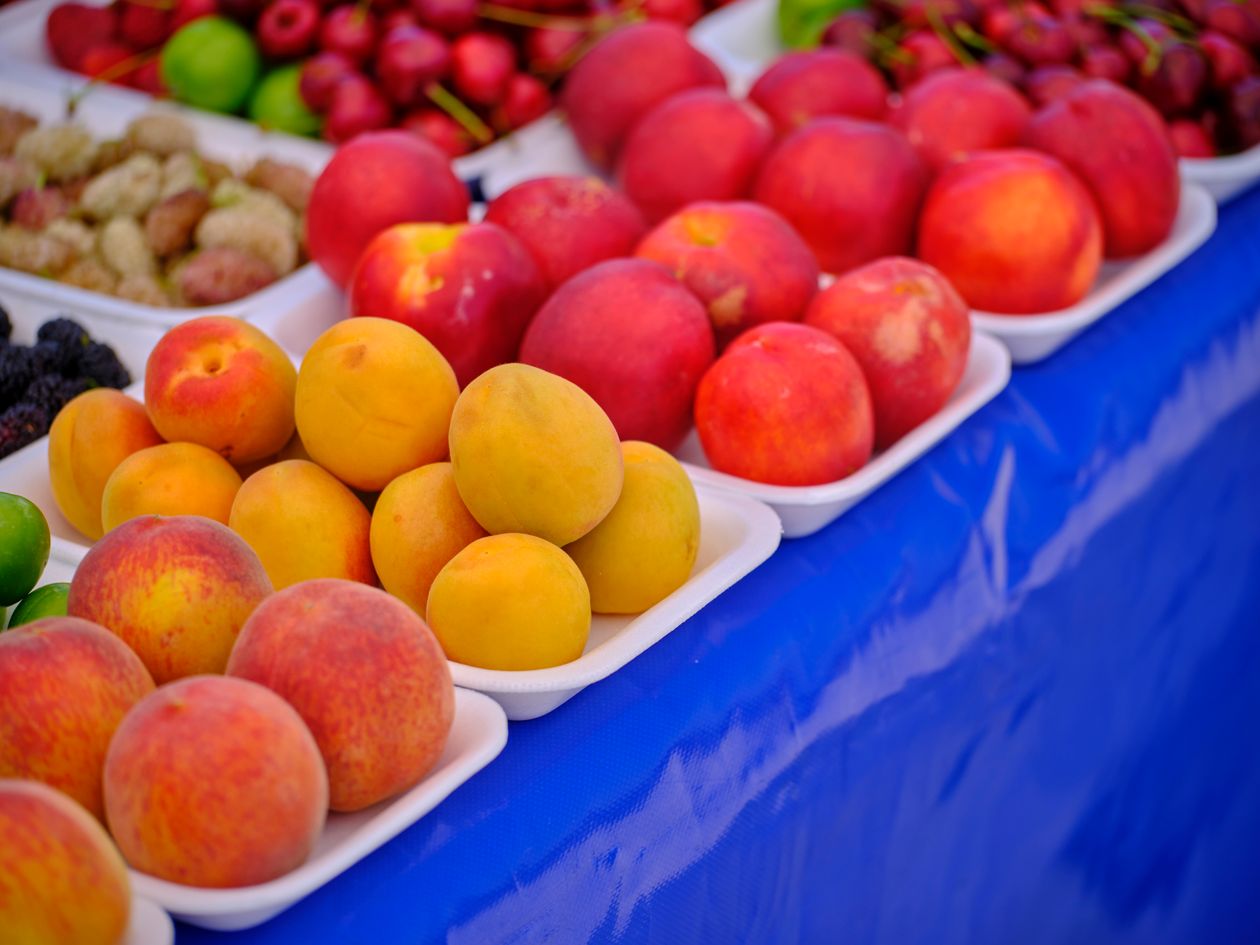
The magic of fruit dumplings is that a single dough carries you through the whole summer. As the fruit ripens, you change the filling. We start with strawberries in June and finish with plums through August into September.
| Fruit | Season | Small tip |
|---|---|---|
| Strawberries | June | Wrap small ones whole, halve the large ones so the dough seals |
| Apricots | July | Pit them and tuck a sugar cube or a little jam into the hollow |
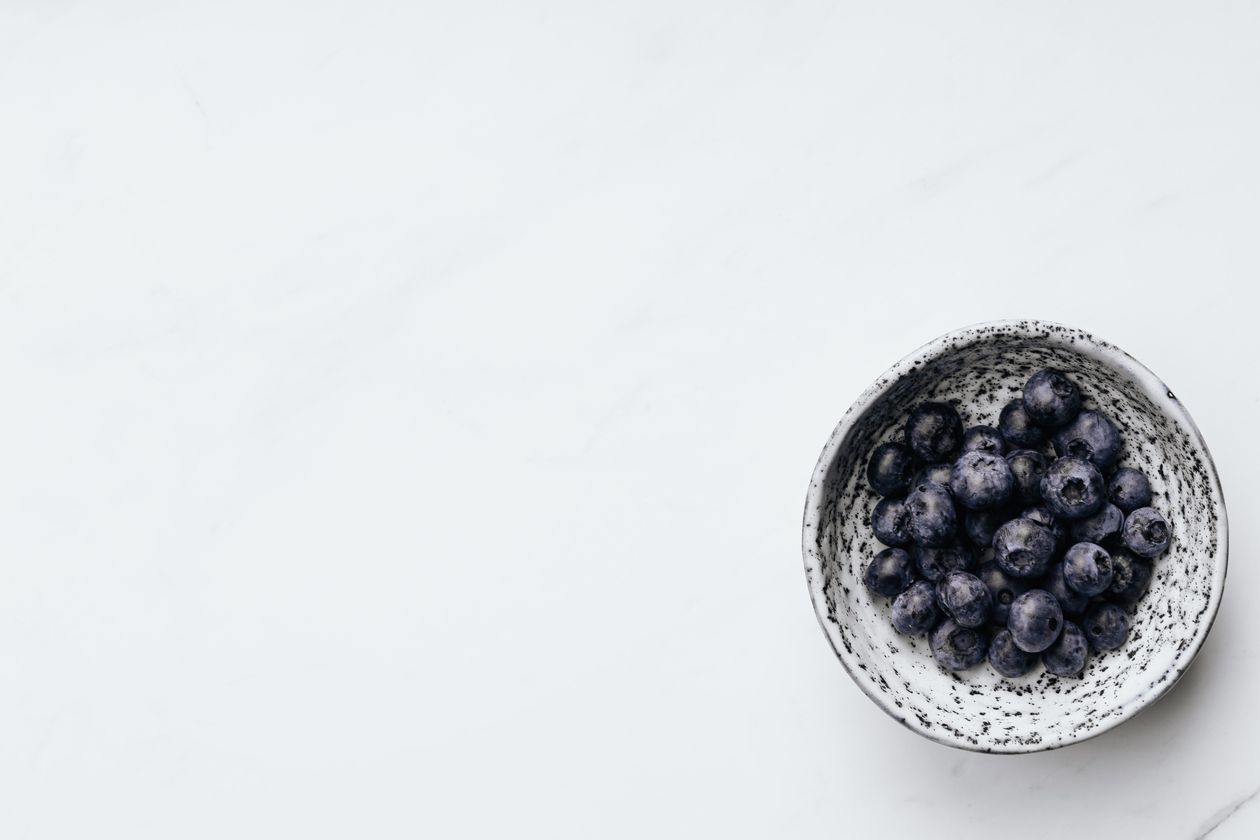
| Blueberries | July to August | Fill with a spoon of berries and seal well so they don’t leak |
| Plums | August to September | Pit and slip a piece of sugar where the stone was, the classic of classics |
Strawberries and blueberries belong to summer just as much as our blueberry cake with crumble. If you have fruit left over after the dumplings, that is exactly where it should go. And when it is too hot to switch the stove on at all, take a look at our no-bake summer desserts.
How to wrap dumplings so they don’t burst
This is the part that scares people off fruit dumplings. In reality you only need to get a few things right and they will stay whole in the water.
- Pat the fruit completely dry. Moisture is enemy number one.
- Wrap the fruit so the dough covers it fully, with no gaps or thin spots.
- Pinch the seams closed with your fingers and roll the dumpling into a smooth ball in your palms.
- Keep the water at a gentle simmer, not a rolling boil. A hard boil tears them apart.
- Cook in batches so the dumplings have room and don’t touch.
Once the dumplings float to the surface, simmer them gently for about three to four minutes with tofu dough, or eight to ten minutes for larger yeast dumplings. They are ready when they feel springy and no longer look shiny with raw dough. After cooking, pierce each one with a skewer so the steam escapes and they don’t collapse.
Tip: Worried the first one will fall apart? Cook a single test dumpling first. If it holds, drop in the rest. If it opens, work another spoon of flour into the dough.
The toppings that make the difference
A cooked dumpling is only half the joy. The real magic comes with the topping. The classic is melted plant butter, ground poppy seeds and icing sugar. If you like it creamier, scatter vegan quark or a plant-based sour alternative over the top.
- Poppy seeds and sugar: ground poppy seeds mixed with icing sugar, poured with melted plant butter. The most traditional combination.
- Breadcrumbs: breadcrumbs toasted in plant butter with sugar, crisp and fragrant.
- Vegan quark: finely grated or mashed white tofu with sugar, tastes like the curd cheese of childhood.
- Cinnamon sugar: simple, quick, and children love it.
The French gastronome Édouard de Pomiane is said to have ranked plum dumplings among the ten best dishes in the world. We understand completely.
A few facts about fruit dumplings
They are a main course, not a dessert. In most of Europe a sweet plate at lunch would raise eyebrows, but in Bohemia and Moravia fruit dumplings are a full lunch or dinner. Czech cuisine is one of the few where a sweet dish is a perfectly normal main.
The word knedlík comes from German. It grew out of the German Knödel, and dumplings have been eaten in the Czech lands for centuries. Fruit dumplings show up in cookbooks from around the 17th century, though back then the fruit was more often fried; the boiled version came later.
Even a famous writer loved them. Fruit dumplings won over not only a French gourmet but also the Czech writer Jan Neruda, who devoted one of his essays to them. Few dishes have such a literary past.
Tofu works better than you would expect. Soft white tofu has a similar gentle tang to quark and is a good source of plant protein at the same time. It is one of the most versatile swaps in the vegan kitchen, and it also does the job in our vegan svíčková, another Czech classic.
If you want to go deeper into Czech food culture, the official tourism site VisitCzechia has a nice overview of summer dumplings.
Practical tips to finish
- Make extra: the next day, pan-fry cooked dumplings in plant butter or steam them in a sieve over a pot.
- Freezing: freeze the raw wrapped dumplings and cook them straight from frozen, just a few minutes longer.
- Out of season: in winter, reach for frozen blueberries or plums, just let them drain first.
- Tofu: look for softer white tofu, firm smoked tofu won’t work here. Most larger supermarkets and health-food shops stock it.
Fruit dumplings are proof that vegan cooking gives nothing up. The same smell, the same soft bite, the same Sunday lunches, just kinder to the planet and to animals. Next time the fruit ripens, put a big pot on the stove and give them a go. And if you are after more sweet classics with no oven required, take a look at our blueberry crumble with vanilla custard. Which fruit do you wrap into yours? Tell us in the comments.
This recipe is one of more than twenty Czech classics we cook without meat, eggs or dairy. You’ll find them all in one place in vegan Czech food, from svíčková to vánočka.
Frequently asked questions
What are Czech fruit dumplings?
They are soft dough dumplings wrapped around whole fruit, boiled and then served with butter, ground poppy seeds and sugar. In the Czech Republic they are eaten as a main meal at lunch or dinner, not as a dessert. Common fillings are strawberries, apricots, blueberries and plums.
Are fruit dumplings vegan?
The traditional version is not, the dough usually contains quark and egg and the dumplings are poured with butter. To make them vegan you replace the quark with blended soft tofu, skip the egg and add a spoon of starch, and use plant-based butter. The taste and texture stay the same.
How do you make fruit dumplings without eggs?
Egg mainly binds the dough, so you replace it with a spoon of starch or a little extra flour. A tofu-based dough holds together perfectly well without it. Just work the dough until smooth and non-sticky, and it will wrap the fruit cleanly.
What’s the best vegan quark substitute?
Soft white tofu, mashed or blended smooth, is the closest swap for quark in dumpling dough. It has a similar gentle tang and binds the dough well. You can also buy ready-made vegan quark and use it in the same quantity.
How long do you boil fruit dumplings?
Cook them in gently simmering water. Once they float to the surface, give tofu dumplings another three to four minutes and larger yeast dumplings eight to ten. They are done when they feel springy and no longer look shiny with raw dough.
Are fruit dumplings a dessert or a main?
In the Czech Republic they are a main course, usually eaten for lunch or dinner. It surprises a lot of visitors, but a sweet plate as the main meal is completely normal in Czech cuisine. You can of course serve them as a dessert too if you prefer.
Newsletter
Get our free e-books
Join the newsletter and download Our Vegan Christmas Kitchen straight away, 10 recipes for Czech cookies, gingerbread and vánočka. Then once a month, new places from the vegan map and new articles. Unsubscribe with one click.