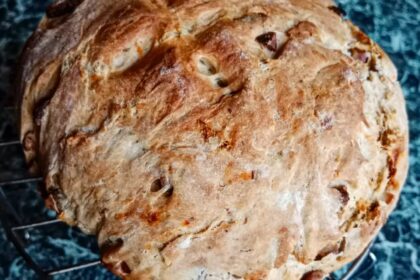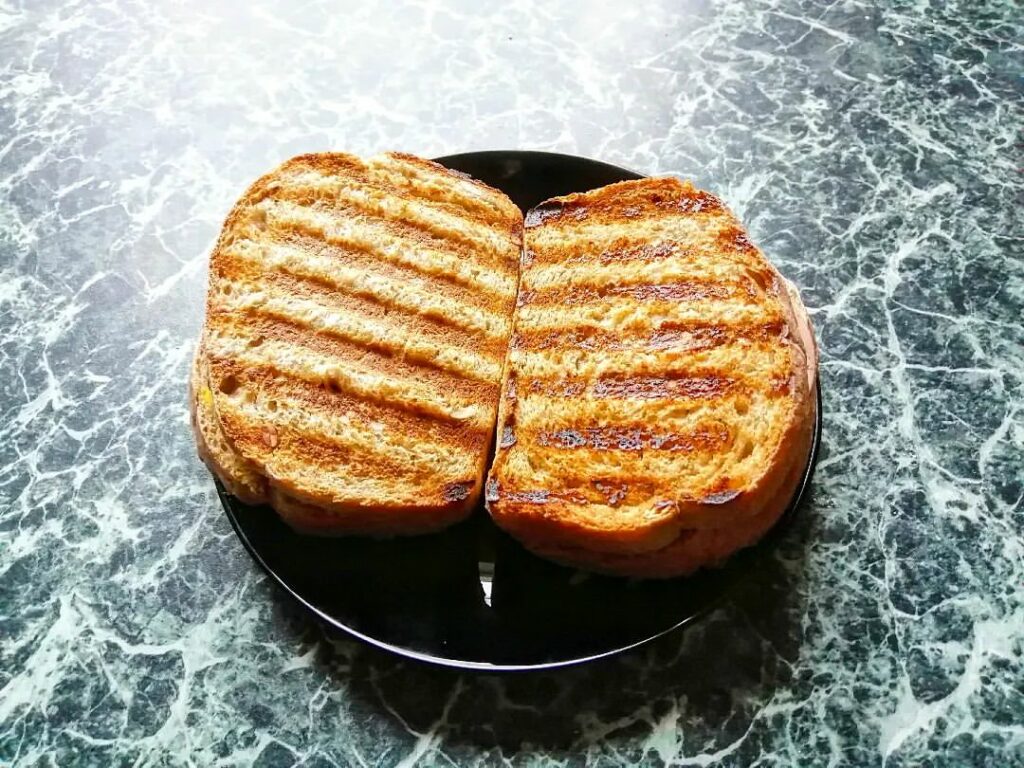
There is something deeply satisfying about baking your own bread, and this vegan homemade sandwich bread makes it incredibly easy. With just seven basic ingredients, no eggs, no dairy, and no complicated techniques, you get a beautifully soft, fluffy loaf that is perfect for sandwiches, toast, or simply enjoyed warm with a spread of vegan butter. The blend of all-purpose and whole wheat flour gives it a lovely texture with more fibre than standard white bread.
What is the best flour ratio for soft sandwich bread? How long should the dough rise? Can you freeze homemade bread and how should you store it? Can you add seeds or herbs? This recipe answers all of those questions with a detailed step-by-step guide and plenty of tips for baking the perfect vegan sandwich loaf right in your own kitchen.
Why you will love this recipe
This homemade sandwich bread recipe has become a favourite for several good reasons.
- Only 7 ingredients that you probably already have in your pantry
- A blend of all-purpose and whole wheat flour for a soft crumb with extra fibre
- No eggs, milk, or butter needed, naturally plant-based without complicated substitutions
- Simple method, just mix, knead, rise, and bake
- Optional seeds for extra texture and nutritional value
Once you try this recipe, shop-bought sandwich bread will never taste the same again.
Interesting facts about sandwich bread
Sandwich bread as we know it today has its roots in 19th century Britain and America. The word “toast” comes from the Latin “tostum”, meaning “scorched” or “dried”. Bread was originally toasted over an open fire to extend its shelf life. It was not until the invention of the electric toaster in 1893 and the automatic bread slicer in 1928 that sliced sandwich bread became a worldwide staple.
Whole wheat flour, which makes up half of this recipe, retains all three parts of the grain kernel: the bran, endosperm, and germ. The bran and germ contain most of the fibre, B vitamins, and minerals. White all-purpose flour goes through a refining process that strips away these valuable components. Using a combination of both flours in one recipe is a smart compromise between nutrition and texture.
The yeast that makes the dough rise is actually a single-celled fungus (Saccharomyces cerevisiae). During fermentation, it converts sugars into carbon dioxide and ethanol. The released CO₂ creates the air bubbles that give bread its fluffy structure. Interestingly, yeast is naturally vegan and is even a good source of B vitamins, particularly in its inactive nutritional form.
Homemade bread has seen a massive revival in recent years, with more people wanting to know exactly what goes into their food. Commercial sandwich bread often contains emulsifiers, preservatives, and added sugars that are completely unnecessary when you bake at home. Next on the baking list could be our vegan olive breadsticks with thyme, crispy on the outside and soft inside.
Health benefits of the main ingredients
Whole wheat flour is the nutritional powerhouse in this bread. A single slice of whole wheat bread contains approximately 2 to 4 grams of fibre, which is important for healthy digestion and feeling full. Whole grain products are also rich in B vitamins (thiamine, niacin, folate) and minerals such as iron, zinc, and magnesium. Regular consumption of whole grains is associated with a reduced risk of heart disease, type 2 diabetes, and certain types of cancer.
Olive oil, which this recipe uses instead of butter, is a source of healthy monounsaturated fatty acids. Oleic acid, the main fatty acid in olive oil, has anti-inflammatory properties and contributes to cardiovascular health. Just 15 ml of olive oil daily (exactly the amount in this recipe) can have a positive effect on cholesterol levels.
If you add seeds to the dough (flax, sunflower, sesame), you will boost the omega-3 fatty acid, protein, and mineral content. Flaxseeds are one of the best plant-based sources of omega-3, and just one tablespoon contains approximately 1.8 g of ALA (alpha-linolenic acid).
Nutritional values
Approximate values per slice (recipe makes about 12 slices).
| Nutrient | Amount per serving |
|---|---|
| Calories | ~140 kcal |
| Protein | 4 g |
| Carbohydrates | 26 g |
| Fat | 2 g |
| Fibre | 2 g |
Approximate values per serving, depending on specific ingredients and quantities used.

Vegan homemade sandwich bread
Ingredients
- 250 ml lukewarm water
- 200 g all-purpose flour
- 200 g whole wheat flour
- 2 tsp salt
- 1 tbsp sugar
- 1 packet of dried yeast (7g)
- 15 ml olive oil
Optional:
- 2 handfuls of seeds of your choice
Instructions
- Mix all the dry ingredients together, add the water and knead the dough. Then add the olive oil and knead again.
- Cover the bowl with a kitchen towel and let the dough rise for about 2 hours.
- Roll out the risen dough on a floured surface, fold it over a few times and shape it into a log.
- Place the dough in a loaf pan and let it rise for about another hour.
- Bake at 200°C (390°F) for about 40 minutes.
Tips and variations
The basic recipe is great on its own, but there are plenty of ways to customise it.
- Flour ratio: You can experiment with the ratio of all-purpose to whole wheat flour. For an even fluffier loaf, use 300 g all-purpose and 100 g whole wheat. For a healthier version, try the opposite ratio, but expect a denser crumb.
- Spelt variation: Replace the all-purpose flour with spelt flour for a subtly nutty flavour. Spelt dough needs slightly less water and a shorter kneading time.
- Seeds and additions: Sunflower, pumpkin, flax, or sesame seeds all work beautifully in this bread. You can also add dried herbs (rosemary, thyme) or garlic.
- Storage: Vegan sandwich bread keeps for 3 to 4 days at room temperature in a sealed bag. For longer storage, slice and freeze. Frozen slices can go straight into the toaster without defrosting.
- Without a loaf pan: If you do not have a loaf pan, shape the dough into a round boule and bake on a lined baking tray. The result will be more rustic but equally delicious.
Do not be afraid to experiment and find your favourite combination.
What to serve with it
Homemade sandwich bread is incredibly versatile. Fresh and still warm, it is lovely with just a bit of vegan butter. Once toasted, it makes an excellent base for sandwiches with hummus, avocado and vegetables, or a classic toast with peanut butter and banana.
If you are looking for spread ideas, try pairing this bread with our vegan mushroom spread, which is a perfect match for fresh bread. For a more filling breakfast, top a slice with vegan avocado hummus. And if you are in the mood for more baking, check out our recipe for vegan oat bread, which is also quick and simple.
Sandwich bread is also great as a base for French toast or as a side for soups.
Frequently asked questions
How long does homemade vegan sandwich bread last?
At room temperature in a sealed bag or container, it keeps for 3 to 4 days. For longer storage, slice and freeze. Frozen bread keeps for up to 3 months and individual slices can go straight into the toaster without defrosting.
Can I use only whole wheat flour for sandwich bread?
Yes, but the bread will be denser and heavier. Whole wheat flour contains more fibre and bran, which prevent gluten from forming an elastic network. For the best results, we recommend keeping the 1:1 ratio with all-purpose flour, or adding an extra tablespoon of water.
What can I use instead of yeast in vegan bread?
Yeast is not easily replaced in this recipe because it is responsible for the rise and fluffy texture. If you do not have dried yeast, you can use fresh yeast (about 20 g instead of 7 g dried). Sourdough starter is another option, but it will change the method and rising time significantly.
Is homemade bread healthier than shop-bought?
Absolutely. Homemade bread contains no preservatives, emulsifiers, or artificial colourings that are commonly found in commercial sandwich bread. You know exactly what goes into it, and you can adjust the ratio of whole wheat flour or add seeds for higher nutritional value.
Why did my homemade bread not rise?
The most common cause is old or inactive yeast. Check the expiry date and make sure the water was lukewarm (around 37°C / 99°F), not hot. Hot water kills yeast. Other factors could be a room that is too cold or insufficient rising time.
Homemade sandwich bread is one of those recipes where you will wonder why you did not start baking it sooner. It is simple, affordable, and the smell of freshly baked bread filling your kitchen is priceless. Give this recipe a try and you will find yourself making it every week. And if you are looking for more homemade bread ideas, have a look at our vegan rye bread without yeast, which is even quicker to prepare. We would love to see your results, so feel free to share them with us on social media!
Newsletter
Get our free e-books
Join the newsletter and download Our Vegan Christmas Kitchen straight away, 10 recipes for Czech cookies, gingerbread and vánočka. Then once a month, new places from the vegan map and new articles. Unsubscribe with one click.