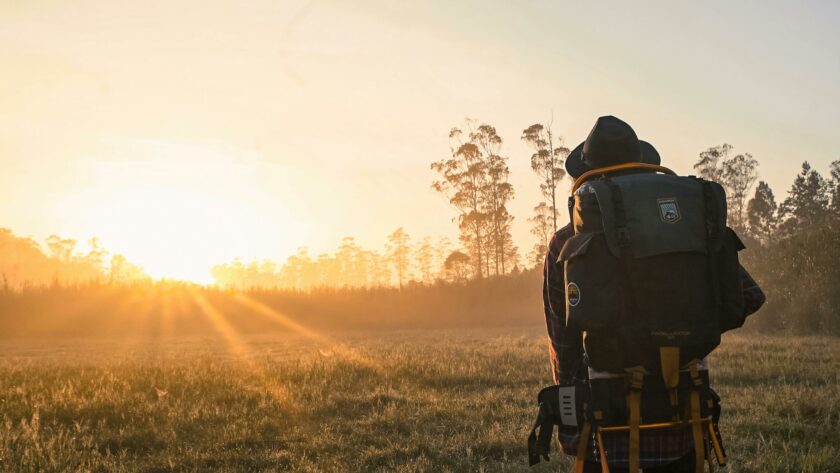
If you’ve ever sat on a night train with nothing but a squashed protein bar and a warm apple at the bottom of your bag, you already know why vegan backpacking food deserves more thought than most people give it. We learned this the hard way on a night train to Slovakia, somewhere around midnight, when the snack trolley had exactly zero plant-based options and the only thing keeping us going was a handful of peanuts and two slightly sad sandwiches we’d made at the last minute before leaving.
That trip changed how we pack for every journey since. Not in a dramatic, meal-prep-influencer kind of way, but in a practical, “let’s never be that hungry again” kind of way. The truth is, eating well as a vegan backpacker is not complicated. It just takes a bit of planning, knowing what to throw in your bag before you leave, and understanding what you can find once you arrive. Whether you’re hopping between hostels in Central Europe, catching buses through the Balkans, or spending a week on a Greek island, the basics are the same.
What are the best vegan backpacking snacks that actually survive in a bag for days? What can you cook in a hostel kitchen with supermarket ingredients you’ve never seen before? And what do you do on those long travel days when there’s no kitchen, no restaurant, and nothing but a train platform vending machine? We’ve figured most of this out through trial and error across Greece, Italy, Austria, Slovakia, and Czechia, and this article is everything we wish someone had told us before that first trip.
Key takeaways
- Most vegan backpacking food is cheap, lightweight, and available in any European supermarket
- A small “backpack pantry” of protein bars, nuts, and oats prevents hungry emergencies on long travel days
- Hostel kitchens are your biggest money-saver: simple pasta, rice, and canned bean meals cost almost nothing
- You don’t need specialty vegan products to eat well on the road, just the basics done right
Why Vegan Backpacking Food Is Easier Than You Think
There’s a common assumption that eating vegan while backpacking means surviving on plain bread and bananas. In reality, the cheapest and most portable foods in any supermarket are already plant-based. Rice, pasta, canned beans, oats, peanut butter, bread, hummus, dried fruit, nuts. These are the staples that backpackers of all diets rely on, and they happen to be vegan.
The real advantage of vegan backpacking food is that almost none of it needs refrigeration. You don’t have to worry about meat going bad in your bag on a warm train or cheese melting into your clothes. A bag of trail mix, a jar of peanut butter, and a few protein bars will sit happily in your backpack for days without any special storage. That’s a genuine practical advantage that makes packing easier, not harder.
If your only experience with vegan food is expensive plant-based restaurants and specialty health food shops, backpacking will change your perspective. The moment you realise that a tin of chickpeas, some bread, and a tomato from a market stall makes a perfectly good lunch for under two euros, the whole “vegan food is expensive” myth falls apart.
What to Pack: The Best Vegan Backpacking Snacks and Staples
Before you leave home, spend ten minutes putting together what we call the “backpack pantry.” This is the small collection of food that lives in your bag throughout the trip, ready for emergencies, long journeys, and those moments when everything around you is closed or has nothing vegan.
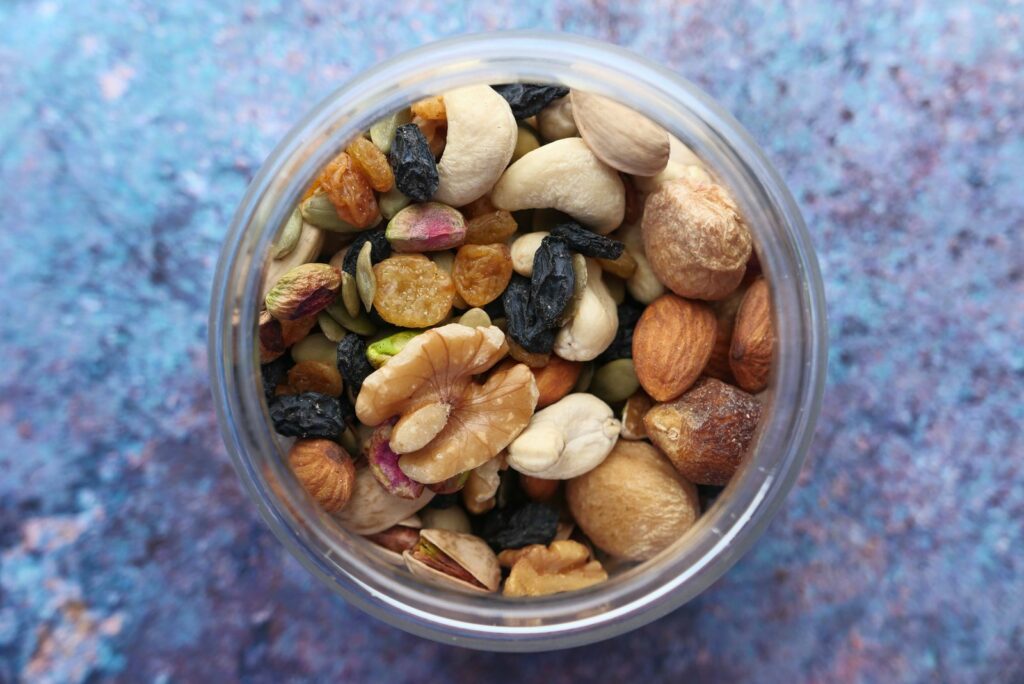
What works best for us:
- Protein bars and energy bars. These are non-negotiable. We always have at least four or five in the bag at any time. Look for ones with simple ingredients (dates, nuts, seeds, protein) rather than heavily processed options. They’re your insurance policy for delayed trains and empty stations.
- Trail mix. Make your own before you leave. A mix of nuts, seeds, dried fruit, and a handful of dark chocolate chips takes five minutes to throw together and lasts for days. It’s the best calorie-to-weight ratio you’ll find.
- Nut butter sachets or a small jar. Peanut butter or almond butter on bread is a meal in itself. Single-serve sachets are ideal for travelling light.
- Instant oats. Individual portions in ziplock bags. Add hot water from a hostel kettle and you have breakfast anywhere. We top ours with whatever fruit is cheap locally.
- Dried fruit. Dates, apricots, raisins. High energy, lightweight, almost indestructible.
These basics have saved us more times than we can count. On that Slovakia trip, we now know we should have packed double what we brought.
Vegan Backpacking Meals for Long Train and Bus Journeys
Long travel days are where most vegan backpackers struggle, and where a little preparation makes the biggest difference. The key is to think of transit food as a separate category from your regular meals. You need things that are filling, don’t need heating, won’t make a mess, and can be eaten with one hand on a moving train.
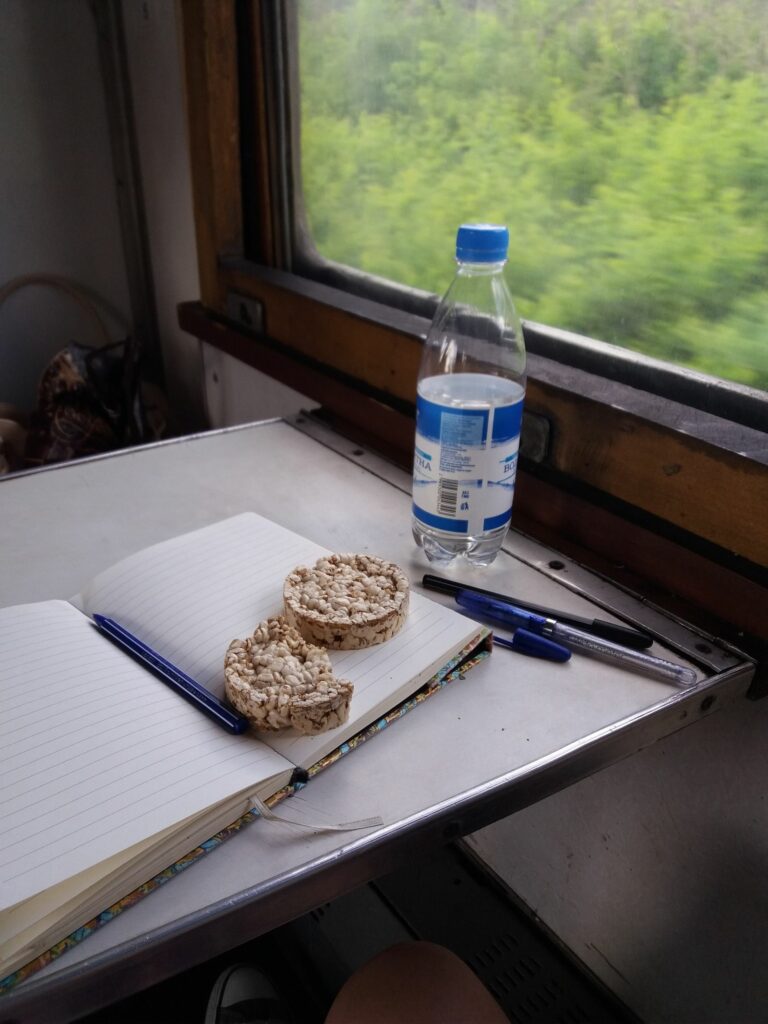
The night before a long journey, we always prepare:
- Sandwiches or wraps. Bread with hummus, sliced vegetables, and maybe some leftover beans or spread from dinner. Simple, filling, and they hold up well for 8-12 hours. If you can find vegan chickpea spread at a shop (or make it yourself the night before), it’s one of the best sandwich fillings for the road.
- A container of pasta or rice from the previous evening. Cold pasta with olive oil and whatever vegetables you had is a perfectly good train lunch. We always make a bit extra at dinner specifically for this purpose.
- Fruit. Bananas and apples travel well. Grapes and berries don’t. Learn from our mistakes.
What to grab at stations and stops:
Most larger European train stations have supermarkets or convenience shops nearby. Even if the selection is limited, you can almost always find bread, bananas, nuts, and sometimes hummus or pre-made salads. In Austria, we’ve found that ÖBB station shops usually have a reasonable selection. In Italy, station bars always have plain focaccia or bread rolls that are accidentally vegan.
For the snack aisle itself, our list of accidentally vegan snacks covers the biscuits, sweets and crisps you’ll find almost everywhere.
Don’t rely on onboard catering being vegan-friendly. Some trains have decent options (Austrian ÖBB trains sometimes have plant milk for coffee), but many don’t. We’ve sat through enough journeys watching other passengers eat while we had nothing to learn that self-sufficiency is the only reliable strategy.
Best Vegan Backpacking Meals You Can Make in Any Hostel Kitchen
If you’re staying in hostels, the kitchen is your single biggest advantage for eating well and cheaply. A vegan restaurant finder app will show you what vegan places are near your hostel, but for everyday meals, the kitchen will save you far more money. Most hostel kitchens have pots, pans, oil, salt, and sometimes even basic spices left behind by other travellers. All you need to buy is a few cheap ingredients from the nearest supermarket.
Our go-to hostel meals that work every time:
Pasta with whatever’s cheap. This is the universal backpacker meal for a reason. Buy pasta, a tin of chopped tomatoes, garlic, and whatever vegetable is on sale. Courgettes in Greece, peppers in Italy, mushrooms in Czechia. If you want something even simpler, aglio e olio needs nothing more than pasta, garlic, olive oil, and chilli flakes, and it’s genuinely one of the best things you can eat for under a euro.
Rice and canned beans. Buy a bag of rice and a couple of tins of beans (kidney beans, chickpeas, black beans, whatever is available). Cook the rice, heat the beans with some spices if you have them, and you have a filling, protein-rich dinner. Add a sliced tomato or some greens and it’s a complete meal.
Oat porridge. Oats, water or plant milk, fruit. This is breakfast sorted for an entire week at almost no cost. In Czechia, a kilo of oats costs about 30 CZK (just over a euro) and lasts for days.
Stir-fried vegetables with rice or noodles. If the hostel kitchen has oil and a pan, buy whatever vegetables look fresh and cheap at the nearest shop, cut them up, fry them, and serve with rice or noodles. It takes fifteen minutes and costs very little.
Easy Vegan Backpacking Recipes That Work in Any Kitchen
You don’t need to be a cook to eat well on the road. These are dead-simple recipes we’ve made dozens of times in hostel kitchens across Europe, using ingredients available in any supermarket.
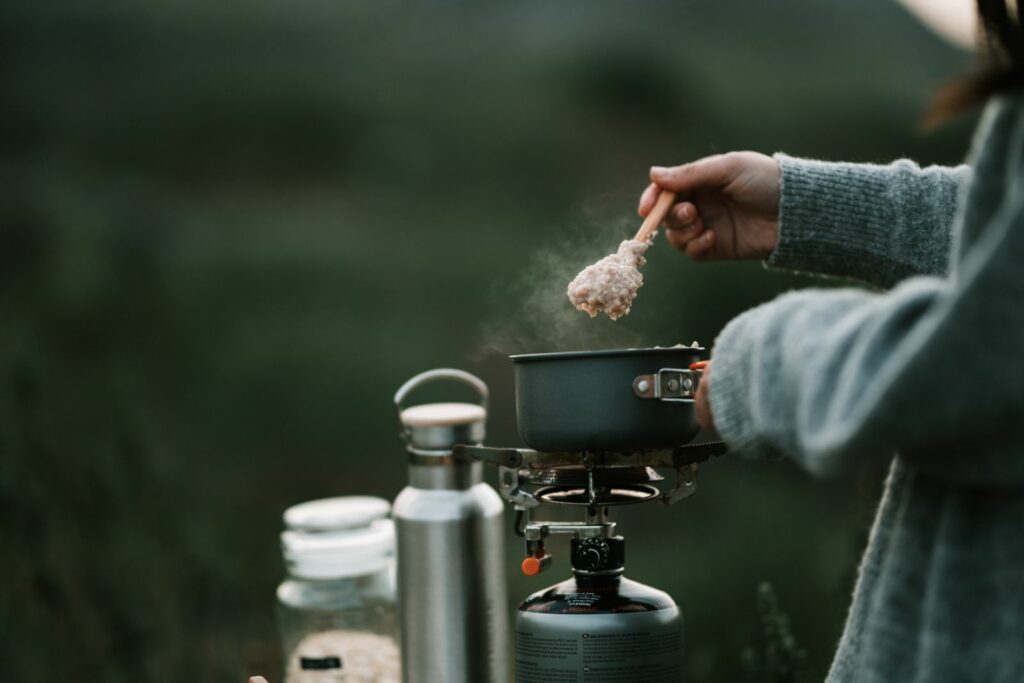
One-Pot Tomato Pasta (serves 2)
- 200g pasta (any shape)
- 1 tin chopped tomatoes
- 2 cloves garlic, chopped
- Olive oil, salt, pepper
- Optional: olives, capers, fresh basil, chilli flakes
Cook the pasta. While it boils, heat olive oil in another pot, add garlic, cook for a minute, add the tinned tomatoes, season, and simmer for ten minutes. Drain the pasta, mix it in. Done. Total cost: about €1.50.
Chickpea and Vegetable Stir-Fry (serves 2)
- 1 tin chickpeas, drained
- Whatever vegetables are cheap (peppers, courgette, onion, spinach)
- Olive oil, salt, any spices you can find
- Rice or bread to serve
Fry the vegetables in oil, add the chickpeas, season generously. Serve with rice or scoop it up with bread. Total cost: about €2.
Overnight Oats (serves 1)
- 80g rolled oats
- 200ml water or plant milk
- 1 banana or handful of whatever fruit is available
- Optional: peanut butter, seeds, cinnamon
Mix oats with liquid in a jar or container the night before. In the morning, top with fruit and eat cold. Perfect for early mornings when you need to catch a bus and have zero time. Total cost: about €0.50.
Hummus Veggie Wraps (serves 2, no cooking needed)
- 2 large tortillas or flatbreads
- Hummus (shop-bought or make your own if you have a blender)
- Sliced vegetables: cucumber, tomato, lettuce, pepper
- Optional: olives, sun-dried tomatoes
Spread hummus on the wrap, pile on the vegetables, roll up. This is our default lunch when we don’t feel like cooking. Total cost: about €2.
No-Cook Vegan Backpacking Food for Days Without a Kitchen
Not every accommodation has a kitchen. Some nights you’ll be in a basic room, on a bus, or camping. For those days, no-cook vegan backpacking food is what keeps you fed.
The best no-cook options:
- Bread, hummus, and raw vegetables. Available in literally any town with a shop. A baguette, a pot of hummus, some cherry tomatoes, and a cucumber is a full meal with zero cooking.
- Overnight oats. You don’t need a kitchen for this. A jar, oats, water, and fruit is all it takes. Prepare it in the evening, eat it in the morning.
- Peanut butter and banana on bread. Calorie-dense, filling, and requires nothing but a knife (or honestly, a spoon works fine).
- Pre-made supermarket salads. Most European supermarkets have cheap pre-made salads. Not all are vegan, so check labels, but simple green salads, bean salads, and pasta salads often are.
- Fruit and nut plates. Buy a few pieces of fruit and a bag of mixed nuts. It’s not glamorous, but it’s nutritious and it works when nothing else does.
The goal on no-kitchen days isn’t culinary excellence. It’s keeping yourself fed and energised so you can enjoy the actual trip. Nobody remembers the meals they ate on transit days. They remember the places they went.
Vegan Backpacking in Europe: What to Buy Where
One of the things we’ve learned travelling through Europe is that every country’s supermarkets have slightly different strengths for vegan shoppers. Knowing what to look for saves time and prevents frustration.
Czechia: Albert and Lidl both have good vegan sections. Hummus is easy to find, plant milks are widely available, and canned beans are cheap. Look for “Vemondo” products at Lidl (their own vegan range). Oats, bread, and fresh vegetables are very affordable. Prague has incredible vegan restaurants too, but for backpackers on a budget, supermarket cooking is hard to beat.
Austria: Billa and Spar are your best friends. Austria has one of the best supermarket selections for vegan products in Central Europe. Look for the Spar Veggie range. Fresh bread from bakery sections is almost always vegan (just check for butter in enriched rolls). Vienna’s Naschmarkt is worth a visit for fresh produce and cheap hummus.
Italy: Forget specialty vegan shops, Italian supermarkets are naturally full of vegan staples. Dried pasta, tinned tomatoes, olive oil, bread, fresh vegetables, and fruit are cheap and excellent quality. Italian bread (except enriched types like brioche) is typically just flour, water, salt, and yeast. Focaccia with olive oil from a bakery makes a perfect cheap lunch.
Greece: Fresh produce is outstanding and affordable, especially tomatoes, cucumbers, olives, and peppers. Greek supermarkets have good hummus and plant milks. Bread is cheap. The real winners are the small bakeries (fournos) that sell fresh bread, spinach pies (check for cheese, but some are made with just spinach and olive oil), and koulouri (sesame bread rings) for almost nothing.
Slovakia and Poland: Lidl and Kaufland offer reliable vegan basics at very low prices (our vegan guide to Liptovský Mikuláš lists what we found in Slovak supermarkets). Bread, canned beans, pasta, oats, and fresh vegetables are all budget-friendly. In larger cities like Bratislava and Krakow, you’ll find increasingly good vegan selections, but even in smaller towns the basics are always available.
Lightweight Vegan Backpacking Food: What’s Worth the Weight
When you’re carrying everything on your back, every gram matters. Not all vegan food is worth packing. Here’s what gives you the best energy for the least weight.
Worth the weight:
- Nut butter (high calories, versatile, lasts for days)
- Trail mix and nuts (calorie-dense, no packaging waste if you make your own)
- Protein bars (compact, filling, perfect emergency food)
- Instant oats (incredibly light, just add water)
- Dark chocolate (calories, morale, fits anywhere)
Not worth the weight:
- Canned goods (buy these at your destination, don’t carry them between cities)
- Fresh fruit beyond one or two apples (too heavy, bruises easily)
- Large jars of anything (decant into smaller containers before you go)
- Bread (buy fresh at each stop rather than carrying stale bread around)
The general rule: carry dry, calorie-dense food in your backpack and buy fresh, heavy ingredients when you arrive. This keeps your bag light and your meals varied.
Essential Vegan Backpacking Gear Worth Packing
You don’t need much, but a few small items make vegan backpacking meals significantly easier.
A reusable container (500-700ml). For overnight oats, carrying leftovers, storing market-bought food, and assembling no-cook lunches. This is probably the single most useful item we carry. A screw-top jar works perfectly.
A spork or small set of cutlery. Hostel kitchens usually have shared cutlery, but having your own means you can eat anywhere: on trains, in parks, at bus stops.
A small knife. For cutting bread, spreading nut butter, slicing vegetables. A basic folding knife or even a butter knife in your bag is surprisingly useful (just remember to pack it in checked luggage when flying).
A reusable water bottle. Saves money, reduces plastic waste, and means you can always stay hydrated. In most of Western and Central Europe, tap water is perfectly safe to drink.
A cloth bag or tote. For market shopping and carrying groceries back to the hostel. Folds to nothing in your pack.
The Vegan Passport app by The Vegan Society is also worth having on your phone. It explains your dietary needs in 96 languages, which is incredibly useful when buying food at markets or small shops where staff don’t speak English.
That’s it. You don’t need a portable stove, dehydrator, or any of the expensive gear you see recommended on wilderness hiking blogs. You’re travelling through places with shops and kitchens, not surviving in the wilderness. For advice from people who travel the same way, we turn to these vegan travel blogs worth following.
The Mindset That Makes It All Work
Here’s the honest truth about vegan backpacking food: some meals will be amazing, and some meals will be peanut butter on slightly stale bread at 11pm because everything was closed and you were too tired to care. Both are completely fine.
The best approach is flexibility rather than perfection. If you find an incredible local bakery, eat there. If the hostel kitchen is busy and you end up eating trail mix for dinner, that’s also okay. The point of backpacking is the experience, not optimising every single meal.
What we’ve found is that food becomes one of the best parts of travelling when you stop stressing about it. Shopping at a Greek market for tomatoes and olives, cooking pasta with strangers in a hostel kitchen in Vienna, discovering that Austrian supermarkets have an unexpectedly amazing vegan cheese selection. These little food moments become part of the trip itself.
If you’re new to vegan travel in general and want broader tips beyond just food, our article on how to travel vegan covers everything from navigating restaurants to communicating dietary needs in different languages.
What’s your go-to vegan backpacking meal? We’re always looking for new ideas, so drop yours in the comments.
FAQ
What is the best vegan backpacking food to pack?
The best options are calorie-dense, lightweight, and shelf-stable. Protein bars, trail mix (nuts, seeds, dried fruit), nut butter, instant oats, and dark chocolate are our top picks. These survive in your bag for days without refrigeration, and they work as both snacks and emergency meals when nothing else is available.
What are easy vegan backpacking meals for hostel kitchens?
Pasta with tinned tomatoes and garlic, rice with canned beans, stir-fried vegetables with noodles, and oat porridge with fruit are all cheap, simple, and work in any hostel kitchen. You can make a filling meal for under two euros with ingredients from any European supermarket. The key is buying basic staples rather than specialty vegan products.
How do you eat vegan on long train journeys?
Prepare food the night before. Sandwiches or wraps with hummus and vegetables, leftover pasta or rice from dinner, and plenty of snacks (nuts, protein bars, fruit) will keep you fed for a full day of travel. Don’t rely on onboard catering being vegan-friendly, as many trains have very limited plant-based options.
Is vegan backpacking in Europe easy?
Yes, especially in Central and Western Europe. Supermarkets in countries like Austria, Czechia, Germany, and Italy all stock vegan basics (pasta, canned beans, hummus, plant milk, bread, fresh vegetables) at low prices. Even in countries with fewer dedicated vegan restaurants, supermarket cooking in hostel kitchens makes it straightforward.
What no-cook vegan meals work for backpacking?
Bread with hummus and raw vegetables, overnight oats (mix oats with water or plant milk the night before), peanut butter and banana sandwiches, and pre-made supermarket salads are all filling options that need zero cooking. These are perfect for days when you don’t have access to a kitchen or simply don’t feel like cooking.
Do I need special gear for vegan backpacking?
Not much. A reusable container (for overnight oats and leftovers), a spork, a small knife, and a reusable water bottle are the only extras worth packing. You don’t need a portable stove or dehydrator since you’ll be cooking in hostel kitchens and buying fresh food at supermarkets and markets along the way.
Read next
How to Travel Vegan (Even If Your Partner Isn’t). Everything you need to know about eating, navigating, and enjoying travel as a vegan, from apps to restaurant tips to language barriers.
Newsletter
Get our free e-books
Join the newsletter and download Our Vegan Christmas Kitchen straight away, 10 recipes for Czech cookies, gingerbread and vánočka. Then once a month, new places from the vegan map and new articles. Unsubscribe with one click.