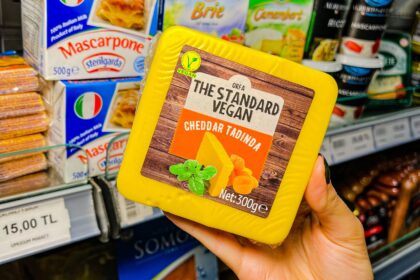
Veganism is more than just a diet; it’s a lifestyle that more and more people around the world are embracing. Veganism excludes all forms of exploitation and cruelty to animals. This typically means not consuming animal products such as meat, dairy, eggs, and honey, as well as avoiding animal-derived ingredients in processed foods. Veganism promotes compassion for animals and emphasises sustainability and healthy living.
What does veganism mean? What are the benefits of veganism? How does veganism differ from vegetarianism? Why choose a vegan lifestyle?
The Philosophy of Veganism
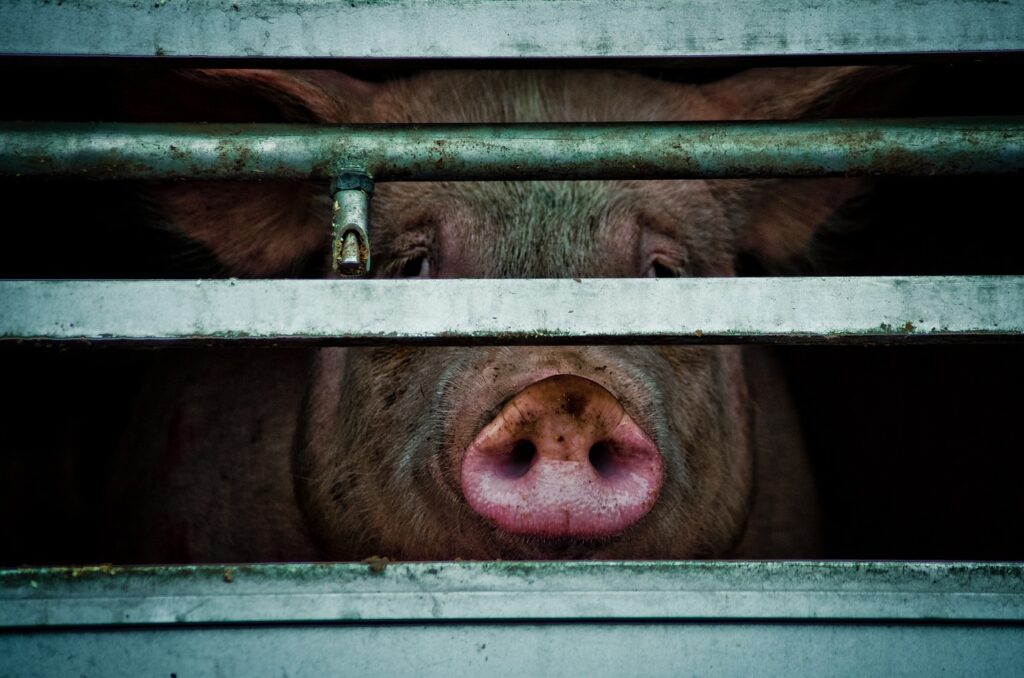
Veganism is rooted in a philosophy that advocates for animal rights and the belief that animals should not be exploited or harmed for human consumption. This ethical stance leads many people to become vegan, choosing not to contribute to industries that rely on animal production, hunting, or exploitation for entertainment.
The ethical implications extend far beyond food alone, as many vegans also abstain from wearing leather, wool, and silk, and may avoid cosmetics and other products tested on animals.
Key Points of Vegan Philosophy Include
- Animal rights: Vegans feel compassion for animals. They believe all animals have the right to life, freedom, and protection from suffering. Animals are sentient beings capable of experiencing pain, fear, and joy, and therefore deserve moral consideration.
- Environmental impact: Veganism is often linked to environmental concerns. Animal agriculture is a major contributor to climate change, deforestation, water pollution, and biodiversity loss. By adopting a vegan lifestyle, individuals can reduce their ecological footprint.
- Ethical consistency: Vegans strive for ethical consistency in their choices. They extend their compassion to all sentient beings and avoid products derived from animal exploitation, such as leather, wool, and fur. Vegans also oppose animal testing and support cruelty-free alternatives.
Some vegans also do not consume alcohol and avoid using medicines, particularly those that were tested on animals.
What Are the Benefits of Veganism?
Veganism offers a range of benefits, whether relating to health or a more sustainable life. The health benefits of veganism are well documented and can contribute to a healthier lifestyle when properly managed.
Some people worry that a vegan diet may not provide enough protein or essential nutrients. However, a balanced vegan diet can be rich in vitamins, minerals, and plant-based proteins.
Benefits of Veganism
- Nutrient-rich diet: A well-planned vegan diet is often higher in essential nutrients such as vitamins, minerals, and antioxidants. Fruit, vegetables, legumes, nuts, and seeds are packed with nutrients that support overall health.
- Lower risk of chronic disease: Studies suggest that vegans tend to have a lower risk of developing chronic diseases such as heart disease, high blood pressure, type 2 diabetes, and certain types of cancer.
- Weight management: Adopting a vegan diet can help maintain a healthy weight. Vegan diets are generally lower in calories and saturated fat, making it easier to lose or maintain weight.
- Greater sense of purpose: Living in alignment with your own values, such as compassion for animals and environmental sustainability, can support a greater sense of meaning in life, leading to improved mental health and emotional wellbeing.
- Reduced land use: Adopting a vegan lifestyle and diet can lead to less deforestation and habitat destruction.
Of course, every vegan has their own motivation and their own reason.
What Is the Difference Between Veganism and Vegetarianism?
Although both vegans and vegetarians avoid eating meat, there are significant differences between the two lifestyles. Vegetarians do not consume meat, poultry, or fish, but may include animal products such as dairy or eggs in their diet.
Vegans, by contrast, completely eliminate all animal products, including dairy, eggs, and even honey. Vegans typically adopt their lifestyle rooted in ethical considerations around animal rights and compassion for all living beings.
For many vegetarians, the dietary choice may not extend into other areas of their life. They may wear leather or use cosmetic products that could have been tested on animals.
Vegans follow a more comprehensive and compassionate lifestyle that seeks to minimise all forms of animal exploitation. This can include avoiding cosmetics, household products, and clothing made from animals.
Who Is a Vegan?
As mentioned above, veganism is far more than just a dietary regime. It’s an ethical and lifestyle choice grounded in the decision to avoid all forms of animal exploitation.
Vegans are people who have chosen to eliminate all animal-derived products from their lives, not only in food but also in clothing, cosmetics, and other areas.
What Does It Mean to Be Vegan?
Veganism is based on the belief that animals have the right to a life free from suffering. Vegans therefore choose not to consume any products that would contribute to the breeding and killing of animals. This means they have completely removed from their diet:
- Meat: including poultry, fish, and all offal
- Dairy products: milk, cheese, yogurt, butter, etc.
- Eggs: including all products containing eggs
- Honey: as a product of bee labour
- Other animal-derived products: gelatin, shellac, carmine, and other animal-origin substances that can appear hidden in food, cosmetics, and other products
From our own experience, we know it can sometimes be hard to avoid all of these. It happens more than once that you accidentally buy one of these products.
Why Do People Become Vegan?
The reasons for adopting a vegan lifestyle are varied and personal. The most common include:
- Ethical reasons: Refusing the exploitation of animals for human benefit.
- Health reasons: Many studies show that a vegan diet can help reduce the risk of certain chronic diseases, such as heart disease, type 2 diabetes, and certain types of cancer.
- Environmental reasons: Raising animals for food is one of the main causes of deforestation, water pollution, and greenhouse gas emissions.
- Religious reasons: Some religions encourage vegetarian or vegan eating.
Veganism is demonstrably better both for us and our health, and for the health of our planet.
What Do Vegans Eat?
Veganism is a lifestyle that is constantly evolving and growing in popularity. Although switching to a vegan diet can be challenging at first, there are many resources and communities that can help with the transition. Veganism offers not only health and environmental benefits, but also the opportunity to contribute to a better life for animals.
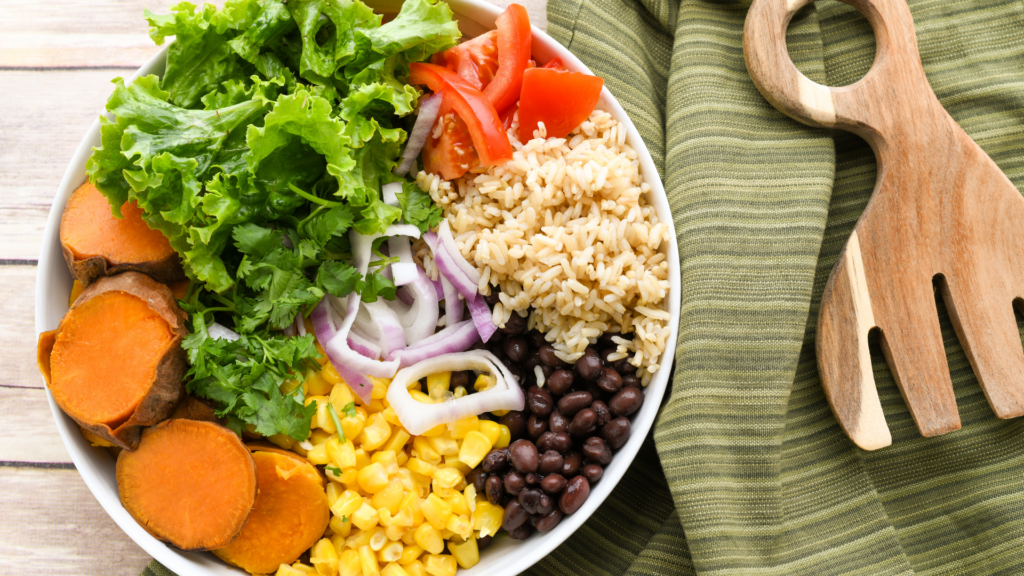
A vegan diet is based on plant foods, such as:
- Fruit and vegetables: all types, fresh, dried, frozen
- Grains: wheat, rice, oats, barley, quinoa, and more
- Legumes: beans, lentils, peas, chickpeas, and more
- Nuts and seeds: almonds, walnuts, flaxseeds, chia seeds, and more
- Soy products: tofu, tempeh, soy milk, soy meat, and more
- Oils: olive oil, rapeseed oil, coconut oil, and more
Vegans eat a wide variety of foods to ensure they get enough of all the nutrients they need. There are many vegan recipes that are not only healthy but also delicious and varied.
What Can You Make in a Vegan Version Today?
The possibilities of vegan cooking today are endless and will satisfy even the most demanding taste buds. Forget the image of vegans eating only salads. Today’s vegan cooks can prepare delicious and nutritious alternatives to traditional dishes. You just need to choose:
- Vegan oyster mushroom “chicken”: Crispy and juicy “chicken” made from oyster mushrooms that would fool even a meat eater.
- Vegan svíčková sauce: The classic Czech sauce in a perfectly vegan version, with rich flavour and creamy consistency.
- Vegan chocolate cheesecake: A wonderful chocolate cheesecake that will satisfy even the biggest sweet tooth.
- Vegan light chickpea curry: Fragrant and spiced curry with chickpeas, plant milk, and a variety of vegetables.
- Vegan pizza: Nothing beats a crispy homemade base.
- Vegan yogurt pancakes: Tasty and fluffy pancakes made with plant milk and yogurt, ideal for breakfast or a snack.
- Vegan langos: Crispy langos that can be prepared the classic way with ketchup and cheese.
- Vegan tiramisu: Tiramisu with homemade sponge fingers and an intense coffee flavour.
- Vegan cookies: Crispy cookies with chocolate and cocoa tahini.
- Vegan aubergine lasagne: Light lasagne with aubergine and plant-based mince.
And that’s just a small sample of what you can make today. Vegan cooking is full of creativity and offers endless possibilities. So don’t hesitate to try something new! Our tofu recipes will definitely come in handy too.
10 Reasons to Choose a Vegan Lifestyle
The decision to become vegan is often motivated by complex reasons that go beyond mere dietary habits. Veganism is a lifestyle that encompasses ethical, health, and environmental aspects.
If you’re considering this change, here are 10 reasons that might inspire you.
1. Ethics
Veganism is based on the belief that animals have the right to a life free from suffering. By avoiding animal-derived products, you actively contribute to reducing demand for animal products and thereby contribute to a better life for animals.
2. Health
Many studies show that a well-planned vegan diet can be very healthy. As mentioned, vegans generally have a lower risk of developing cardiovascular disease, type 2 diabetes, and certain types of cancer.
3. Environment
Veganism is also good for the environment. Raising animals for food is one of the main causes of deforestation, water pollution, and greenhouse gas emissions. Veganism is one of the most effective ways to reduce your ecological footprint.
4. Compassion
Veganism is an expression of compassion towards all living creatures. The decision not to consume animal-derived products is a sign of empathy and understanding for the suffering of animals.
5. Sustainable Development
Veganism supports sustainable agriculture and consumption. Plant foods generally require fewer resources than producing animal products.
6. Variety of Diet
Many people think a vegan diet is boring and restrictive. The truth, however, is that there are countless delicious and healthy vegan recipes from all over the world.
7. Allergy Prevention
Veganism can help reduce the risk of developing certain allergies, such as milk or egg allergy. It even helps in managing atopic eczema.
8. Personal Growth
Transitioning to a vegan lifestyle can be an opportunity for personal growth and development. It requires conscious decision-making, planning, and finding new solutions.
9. Community Connection
Veganism is part of a larger movement focused on protecting animals, the environment, and human health. By joining the vegan community, you gain support and inspiration.
10. A Better World
Every step we take towards a more sustainable and compassionate world matters. Veganism is one of many ways to contribute to a better future.
The decision to become vegan is a personal choice that can have a positive impact on your health, the environment, and the lives of animals. Although the transition to a vegan lifestyle can be challenging, the benefits it brings are undeniable. If you’re considering this change, don’t hesitate to seek support and information from experienced vegans and nutrition professionals.
If you are thinking about making the switch to a vegan lifestyle, you might find these articles helpful: what is Veganuary and how to get involved, everything you need to know about vitamin B12 on a vegan diet, how your choices can reduce your carbon footprint, and where to find the best plant-based protein sources.
Frequently Asked Questions
What is the difference between a vegan and a vegetarian?
A vegetarian does not eat meat or fish but usually eats dairy, eggs and honey. A vegan avoids all animal products, including milk, eggs, honey and gelatine, and also tries to avoid leather, wool and cosmetics tested on animals.
Do vegans need supplements?
Yes, vitamin B12. It is not reliably found in plant foods, so vegans take it as a supplement or get it from fortified foods such as plant milks. Everything else, including protein, can come from a varied plant-based diet.
Is honey vegan?
No. Honey is made by bees, so it is an animal product and vegans do not eat it. Maple syrup, agave syrup, date syrup or rice malt syrup all make good swaps.
Is a vegan diet suitable for everyone?
According to nutrition bodies such as the Academy of Nutrition and Dietetics, a well-planned vegan diet is suitable for all stages of life, including pregnancy and childhood. The key nutrients to watch are B12, iodine, calcium, iron and omega-3 fatty acids.
Where does the word vegan come from?
The word vegan was coined in 1944 by Donald Watson, a co-founder of The Vegan Society in Britain. It is made from the beginning and end of the word vegetarian.
Featured photo: Tima Miroshnichenko, Pexels.
Newsletter
Get our free e-books
Join the newsletter and download Our Vegan Christmas Kitchen straight away, 10 recipes for Czech cookies, gingerbread and vánočka. Then once a month, new places from the vegan map and new articles. Unsubscribe with one click.