Vitamin B12 is one of the most discussed nutrients, especially among vegans. This essential vitamin is vital for our health, it affects brain function, red blood cell production, and metabolism. Despite all the discussion around it, many myths persist about where to get it and whether supplementation is truly necessary.
What exactly is vitamin B12 and why does our body need it? What are the consequences of deficiency, and can vegans get enough of this vitamin from diet alone? And is it possible to overdose on it? We’ll answer all of these questions in the following article.
What Is Vitamin B12 and Why Do We Need It?
Vitamin B12 (cobalamin) is an essential nutrient required for the proper functioning of the body. It plays a key role in the formation of red blood cells, helping to prevent anaemia, and also supports the health of the nervous system. Without sufficient B12, neurological problems, fatigue, or concentration difficulties can occur.
This vitamin also plays a role in energy metabolism, meaning it helps the body convert food into usable energy. An adequate intake is therefore essential for vitality and overall health. Because the body cannot produce it on its own, it must be obtained from food or supplements.
Vitamin B12 and Veganism
Vitamin B12 is naturally found almost exclusively in animal products. Its main sources are:
- Meat and offal: Liver and kidneys in particular contain high amounts of B12.
- Fish and seafood: Salmon, tuna, and mussels are rich in this vitamin.
- Dairy products and eggs: Although they contain less B12 than meat, they can still be a significant source.
This means that for vegans, getting enough of this vitamin from diet alone is not easy.
Myths About Plant-Based Sources of B12
It is often claimed that certain plant foods contain vitamin B12, but these are mostly inactive forms that the body cannot use.
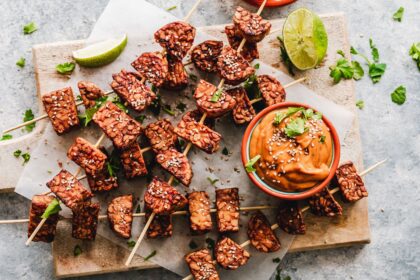
- Fermented foods: Tempeh, kimchi, and sauerkraut do contain trace amounts of B12, but usually not enough to meet daily needs.
- Seaweed and chlorella: Some types contain forms of B12, but their bioavailability is questionable. Spirulina, for example, contains inactive analogues that may actually block the absorption of real B12.
Relying solely on these sources could therefore lead to deficiency.
How Can Vegans Get Enough B12?
The only reliable way to meet the need for vitamin B12 on a vegan diet is:
- Supplements: Vegan tablets or drops with active forms of B12 (such as methylcobalamin or cyanocobalamin).
- Fortified foods: Plant milks, cereals, or nutritional yeast often contain added B12.
Regular supplementation or consumption of fortified products is therefore essential for any vegan who wants to avoid health complications associated with B12 deficiency.
However, supplementation isn’t just a vegan concern. Everyone should pay attention to supplementing important vitamins and minerals. We don’t always get sufficient amounts of all the nutrients we need for optimal body function from diet alone.
The same applies to protein, for example – what are the best vegan sources of protein?
Which Foods Contain Vitamin B12?
As already mentioned, vitamin B12 occurs naturally mainly in animal products, while plant sources do not contain it in sufficient amounts. Vegans must therefore rely on fortified foods or supplements. It’s a good habit to start early, so if you’re trying Veganuary for a month, look out for fortified foods from day one.
Comparing Foods Rich in B12
Animal-derived foods are by far the richest natural sources of B12. Beef liver tops the list, followed by mussels, salmon, and tuna. Dairy products and eggs contain smaller but still useful amounts. Plant foods, unless fortified, contain negligible or non-bioavailable amounts.
| Food | B12 Content (µg/100g) | Vegan Friendly? | Note |
|---|---|---|---|
| Beef liver | 83 | No | The richest natural source of B12. |
| Clams | 98 | No | Significant source, especially for pescatarians. |
| Salmon | 4.5 | No | Fish fats support B12 absorption. |
| Eggs | 1.1 | No | Contains B12, but less than meat and fish. |
| Cow’s milk | 0.5 | No | Comparable to fortified plant-based alternatives. |
| Fortified plant milk | 0.5–3 | Yes | Content varies by brand; always check the label. |
| Fortified nutritional yeast | 5–20 | Yes | Excellent vegan source, ideal for sprinkling on meals. |
| Fortified cereals | 1–6 | Yes | A quick breakfast option with added B12. |
How to Include Fortified Foods in Your Diet
Fortified foods are an excellent way to ensure adequate vitamin B12 intake on a vegan diet. Simply include them in your regular meals and make consuming them a consistent habit.
Tips for using them in everyday eating:
- Plant milk fortified with B12: Add to coffee, smoothies, or cereal.
- Nutritional yeast: Works in many recipes, sprinkle over pasta, popcorn, soups, or stir into sauces.
- Fortified cereals: Ideal for breakfast with plant milk for an extra dose of B12.
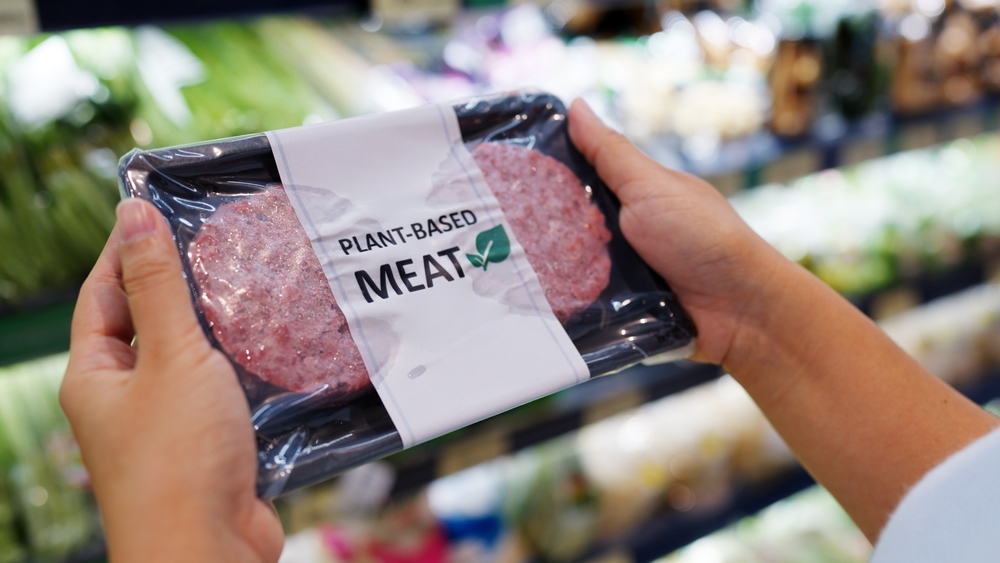
- Meat alternatives (tofu, plant-based burgers, sausages): Many such products today contain added B12.
- Plant-based yogurts and spreads: Some varieties are fortified with both B12 and other important nutrients such as calcium.
Including these foods in your regular diet is simple and straightforward. The key is to read product labels and choose those that contain sufficient vitamin B12. If you’re unsure whether you’re covering your daily needs, it’s a good idea to combine fortified foods with supplements.

Vitamin B12 Deficiency: Symptoms and Risks
Vitamin B12 deficiency is fairly common, particularly among groups who have limited access to its natural sources or have problems absorbing it. Those most at risk are vegans who don’t consume animal products, older adults whose ability to absorb B12 declines with age, and people with digestive disorders such as coeliac disease or Crohn’s disease.
Symptoms of B12 deficiency
The most common signs of deficiency include:
- Fatigue and weakness: Low B12 levels lead to reduced red blood cell production, causing tiredness.
- Anaemia: B12 deficiency disrupts the formation of healthy red blood cells, which can lead to anaemia.
- Tingling and numbness: B12 is key to nervous system health; its deficiency can cause tingling sensations in the limbs.
- Memory and concentration problems: A lack of this vitamin can affect cognitive function and cause confusion or forgetfulness.
- Pale or yellowish skin: Anaemia caused by B12 deficiency can manifest as paleness or a slightly yellowish skin tone.
If B12 deficiency is left unaddressed over a long period, it can lead to serious complications. Chronically low levels can cause permanent nervous system damage, increased risk of cardiovascular disease, or cognitive disorders including dementia. It is therefore important to ensure adequate intake of this vitamin, and for at-risk groups, to have blood levels checked regularly.
The best way to check B12 levels is a blood test (ideally measuring not just B12, but also homocysteine and MMA for more accurate diagnosis).
Dosage and Forms of B12
For vegans, supplements are the most reliable way to ensure adequate vitamin B12 intake. Several forms are available on the market, differing in their absorption method and suitability for different needs. B12 supplements are available in various forms, each with its own advantages.
- Tablets and capsules: The most common and affordable option, easy to take. Vegan options include Nature’s Way B12, Veg1, and Deva Vegan B12.
- Sublingual tablets: Dissolve under the tongue, allowing the vitamin to be absorbed directly into the bloodstream. Popular brands include Solgar Methylcobalamin and Jarrow Formulas B12.
- Drops and sprays: Suitable for those who have difficulty swallowing tablets. BetterYou B12 Boost Spray and Garden of Life B12 Organic Spray are excellent choices.
- Injections: Used mainly in cases of severe deficiency or in people with poor absorption. Administered under medical supervision.
Each form has its specific advantages, but for most people tablets or sprays are the most practical option.
What Are the Recommended Daily Doses?
The recommended amount of vitamin B12 depends on how frequently you take it:
- Daily supplementation: 250-500 µg per day, suitable for tablets or drops.
- Weekly dosing: 2,000-2,500 µg once a week for those who prefer less frequent intake.
- Sublingual form: Usually 1,000 µg daily for better absorption in people with lower uptake.
- Injections: Typically 1,000 µg once a month, prescribed by a doctor in cases of serious deficiency.
The body can only absorb a certain proportion of the vitamin it receives, which is why recommended doses are higher than might seem necessary.
How to Choose the Right Supplement
When selecting a supplement, several factors are worth considering:
- Form of vitamin B12: Methylcobalamin and adenosylcobalamin are the most bioavailable forms, while cyanocobalamin is more stable and more commonly used in standard supplements.
- Dosage: If you take the supplement daily, lower doses are sufficient; a weekly regime requires higher amounts.
- Vegan certification: Brands certified by the Vegan Society or similar organisations guarantee the supplement contains no animal-derived ingredients.
Choosing the right supplement isn’t complicated, the most important thing is to pick the form that suits you best and take it consistently.
When and How to Take Vitamin B12 for Best Results
To ensure optimal absorption of vitamin B12, it’s good to follow a few simple guidelines:
- Daily supplementation: If you take B12 every day, it’s recommended to take it in the morning or during the day. Since it contributes to energy metabolism, taking it in the evening may disrupt sleep in more sensitive individuals.
- With food or on an empty stomach? Vitamin B12 is water-soluble, meaning it can be taken both with food and on an empty stomach. Some studies suggest absorption may be slightly better when taken alone, but the difference is not significant.
- Sublingual tablets and sprays: If using sublingual forms (dissolving under the tongue or sprays), allow them to be absorbed in the mouth for at least 30-60 seconds before swallowing. This enables better absorption through the mucous membrane.
- Avoid caffeine and high doses of vitamin C: Caffeine and high doses of vitamin C (above 500 mg) can interfere with B12 absorption. If you regularly drink coffee or take vitamin C supplements, it’s advisable to leave a gap of at least 1-2 hours between them and your B12.
By following these tips, you ensure your body uses vitamin B12 as effectively as possible.
Is It Possible to Overdose on Vitamin B12?
Vitamin B12 is water-soluble, meaning the body excretes any excess through urine. Unlike some other vitamins, such as fat-soluble ones (A, D, E, K), B12 does not accumulate in the body in dangerous amounts. The liver can store a certain amount as a reserve, but if intake exceeds need, the body simply excretes the excess B12.
Overdosing on vitamin B12 is extremely rare and virtually impossible in healthy people. Even at the high doses commonly found in supplements, no toxic effects have been demonstrated.
Some studies suggest that extremely high doses may trigger mild adverse reactions in sensitive individuals, such as a rash, mild digestive discomfort, or elevated homocysteine levels if the body is unable to metabolise the vitamin properly.
The recommended daily intake of vitamin B12 is around 2.4 µg for adults, but vegan supplements commonly recommend taking higher doses — for example, 250-500 µg daily or 2,000-2,500 µg weekly. Even with regular intake of these amounts, there is no risk of overdose, as the body uses only what it needs and safely excretes the rest.
Side Effects of Vitamin B12
Vitamin B12 is generally considered safe, even at high doses. In some people, however, supplements can cause mild side effects such as digestive issues (bloating, diarrhoea) or a rash.
As mentioned, in rare cases B12 can trigger an allergic reaction, manifesting as itching, swelling, or breathing difficulties. If these symptoms occur, the supplement should be stopped and a doctor consulted.
B12 can also interact with certain medications, such as metformin (used for diabetes) or medications for acid reflux. If you are taking long-term medication, it’s advisable to discuss supplementation with your doctor.
The Effect of Vitamin B12 on Body Weight
Claims often appear suggesting that vitamin B12 can cause weight gain, but in reality there is no evidence to support this theory. B12 does not directly influence fat accumulation or appetite.
Its main function in the body is to support metabolism and energy production. It helps convert nutrients into fuel for cells, which can lead to better vitality and reduced fatigue. People with B12 deficiency often feel exhausted and may have a slower metabolism, but supplementation alone does not automatically lead to weight changes.
If someone does notice weight changes when taking B12, it is more likely that these are related to other factors, such as dietary adjustments, changes in energy levels, or overall health status.
For more on vegan nutrition, take a look at our guide to the best plant-based protein sources or read our overview of what veganism is and how to get started.
Featured photo: GoodIdeas, Shutterstock.
Newsletter
Get our free e-books
Join the newsletter and download Our Vegan Christmas Kitchen straight away, 10 recipes for Czech cookies, gingerbread and vánočka. Then once a month, new places from the vegan map and new articles. Unsubscribe with one click.