Vegan ham can have as little as 5 g of protein per 100 g, or more than 26 g. It depends on which shelf you take it from. At home we mostly buy Violife slices and Well Well’s pea salami, usually for pizza and sandwiches. But when friends ask us which plant-based ham to buy, one answer isn’t enough.
So what is it actually made of? Is it just starch and smoke flavouring, or a proper source of protein? Which slices are worth buying, and where do you find them when your supermarket has none? Can you make it at home for Christmas or a sandwich platter?
We went through all of it. We read the ingredient lists and nutrition labels, compared prices, and once, before Christmas, we made our own from tofu and wheat gluten.
Not vegan, and just wondering whether meat-free ham can taste any good? Skip ahead to the pizza part. For everyone else, there’s a comparison of five products sold in the Czech Republic (mostly German, Greek and Czech brands you’ll also meet elsewhere in Europe), our homemade method, and shopping tips for Germany and the UK.
What is vegan ham made of?
Vegan ham is made from one of four bases: wheat protein (seitan), pea or lentil protein, coconut fat with starch, or tofu. The ham flavour comes from smoke or smoke flavouring, salt and spices. The pink colour usually comes from radish, beetroot or carrot concentrate, not from nitrites as in meat ham.
The base matters more than you’d expect. It decides whether a slice is firm and fibrous or soft and creamy. Above all, it decides how much protein you get.
Seitan: ham from wheat protein
Seitan is wheat gluten, the protein left over when you wash the starch out of a wheat dough. Once cooked it’s springy and fibrous, which is why it makes the most convincing vegan deli meats. Seitan-based ham usually has more than 20 g of protein per 100 g.
It isn’t a modern invention either. According to Wikipedia, wheat gluten has been eaten in China since at least the 6th century, and the name “seitan” was coined in 1961 by the Japanese macrobiotics advocate George Ohsawa.
Pea protein and coconut fat
The second big group is made from water, plant fat, starch and a small share of pea or lentil protein. These slices are soft and delicate and melt beautifully on pizza. They don’t carry much protein, though, usually around 5 to 6 g per 100 g. Violife’s ham-flavour slices and Well Well’s pea salami both belong here.
Tofu as a base
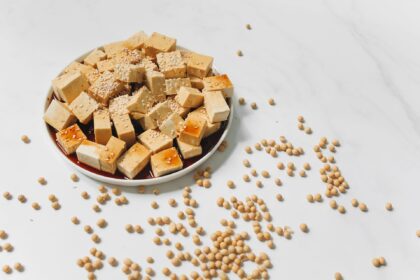
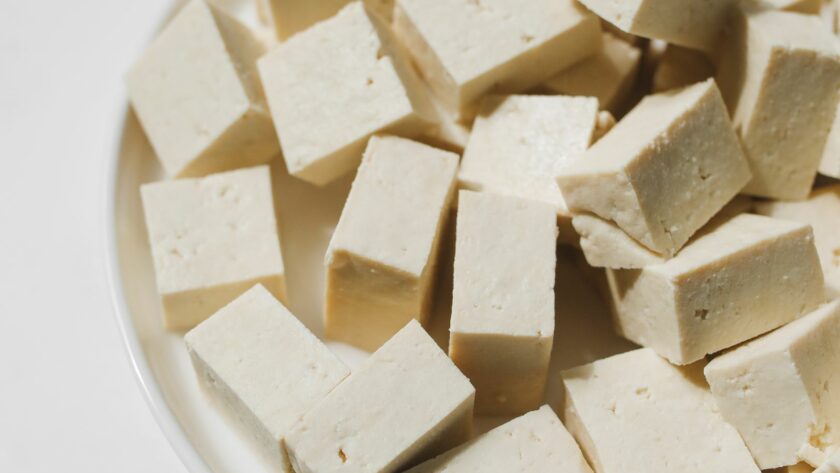
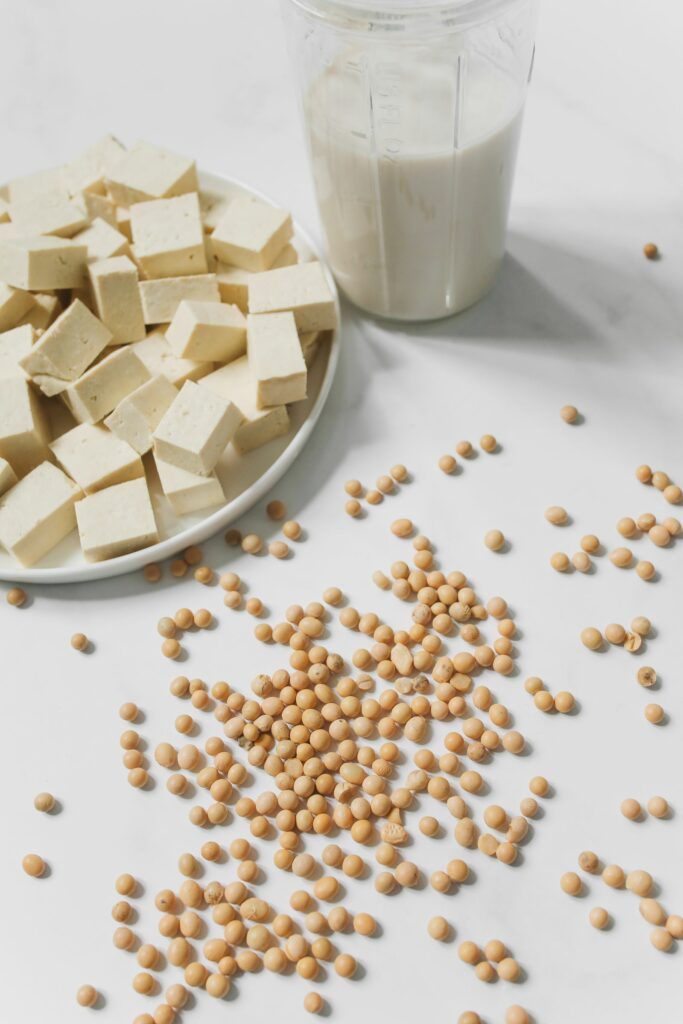
Tofu shows up less often in shop-bought ham, but it’s a great helper at home. Mixed with wheat gluten, tofu keeps homemade ham tender instead of rubbery. Smoked tofu cut into cubes is also the easiest swap for ham in Czech dishes like šunkofleky, a ham and pasta bake.
Best vegan ham slices to buy: our label comparison
The slices with the most protein are the seitan ones, Wheaty and Plenty Reasons. The softest for pizza are Violife’s. We built this table from the packs and the shop listings in October 2026, and we call it our label comparison. Treat the prices (in Czech crowns) as a guide, because they move with every promotion.
| Brand and product | Base | Protein / 100 g | Salt / 100 g | Pack and price | Gluten |
|---|---|---|---|---|---|
| Violife Viodeli ham-flavour slices | Coconut oil, starch, lentil and pea protein | 5 g | 2.8 g | 100 g, around 70 CZK | Gluten-free |
| Wheaty vegan slices à la ham (organic) | 80% seitan, coconut fat | 24 g | 1.8 g | 100 g, price varies by shop | Contains |
| Plenty Reasons meat-free garlic ham | Wheat protein, chickpeas, oak-smoked | 26.7 g | 2.2 g | 120 g, around 55 CZK | Contains |
| Green Force cooked ham alternative | Textured wheat and pea protein, sunflower oil | See pack | See pack | 70 g, around 85 CZK | Contains |
| Well Well pea salami classic (for comparison) | 7% pea protein isolate, rapeseed oil | 5.8 g | 2.3 g | 100 g, around 50 CZK | May contain traces |
Violife Viodeli: the softest slices for pizza
Violife Viodeli ham-flavour slices are among our favourites for pizza and sandwiches. They’re thin and soft. According to the ingredient list on Rohlík, a Czech online grocer, the base is water and 20% coconut oil with starch and a little lentil and pea protein. They’re made in Greece and have added vitamin B12.
To be honest, Violife doesn’t work as a protein source. It has only 5 g of protein and 18 g of saturated fat per 100 g, thanks to the coconut oil. We see it as a flavour thing, not as a meat replacement on the plate. On the plus side, it’s free from gluten and soy, so it suits people with those allergies.
Wheaty à la ham: organic seitan ham
Wheaty’s vegan slices à la ham are 80% seitan and have 24 g of protein per 100 g. They’re made by the German company TOPAS and lightly smoked over beech wood. The Czech distributor’s description suggests them for bread, cold platters, salads and pizza. Because they’re seitan, they contain gluten.
Plenty Reasons: the most protein in our comparison
Plenty Reasons’ meat-free garlic ham has the most protein of any ham in our comparison, 26.7 g per 100 g. It’s made from wheat protein and chickpeas and smoked over oak. At the Bazalka shop in Hradec Králové a 120 g pack costs around 55 CZK. It contains wheat, soy and mustard, so check the label if you have allergies.
Green Force: a German cooked ham alternative
Green Force’s cooked ham alternative is made in Germany, and Rohlík sells it plain and with black pepper. The base is textured wheat and pea protein with sunflower oil and smoked paprika. The pack is only 70 g, and at Rohlík’s price (84.90 CZK) it works out pricier per kilo than Violife or Plenty Reasons.
Label tip: Before you buy, check two lines in the nutrition table. Protein tells you whether the ham is seitan-based (over 20 g) or starch-and-fat-based (around 5 g). Saturated fat tells you how much coconut oil is in it. Either is fine, it just helps to know what you’re buying.
Where to buy vegan ham in the Czech Republic
The most reliable place to buy plant-based ham in the Czech Republic is online. Rohlík stocks Violife, Green Force and Well Well salami, and organic e-shops and health food stores carry Wheaty and Plenty Reasons. In bricks-and-mortar supermarkets, the chilled plant-based range changes almost every month.
Meat-free ham in Czech supermarkets
We couldn’t find a sliced plant-based ham in Tesco’s Czech online range or on Lidl’s Czech website and leaflets in October 2026. Lidl’s Vemondo line has cheese-flavour slices, for example, but no ham.
That doesn’t mean you’ll never see one on the shelf, since imported brands come and go with promotions. Look in the chilled plant-based section, usually next to the tofu and vegan cheese.
Online and in health food shops
Rohlík has a separate plant-based deli category and shows the ingredients and nutrition for its products, which makes choosing much easier. Keep an eye on stock, though. While we were writing this, the peppered Green Force and the Well Well salami were both sold out and waiting for a restock. Organic brands like Wheaty are easiest to find in health food shops and in e-shops that specialise in vegan food.
Vegan salami: Well Well and a Czech classic for bread
Vegan salami is ham’s closest relative, and in the Czech Republic it’s easier to find. The best-known is the pea salami from Well Well, a Czech company based in Lipník nad Bečvou. We love it on pizza and in sandwiches.
According to the product page on Rohlík, Well Well’s classic pea salami has 100 kcal and 5.8 g of protein per 100 g. It’s made from water, pea protein isolate, rapeseed oil and spices including white pepper, ginger and cardamom. It’s light and mild, with almost no saturated fat. It contains no gluten or soy ingredients, with only a “may contain traces” warning on the pack.
If you prefer ham to salami, Well Well is still a good everyday choice. Save Violife or a seitan ham for when you want a stronger ham flavour.
Homemade vegan ham with tofu and wheat gluten
Homemade seitan ham is made from tofu, vital wheat gluten and spices, wrapped in foil and steamed. We made it once before Christmas and were pretty pleased with how it turned out. Once it’s cooled, it slices thinly and keeps in the fridge for several days.
A confession first. We only made it once and didn’t write down the exact amounts. So this isn’t a gram-perfect recipe from our kitchen. What you’ll get is the seasoning we used and the ratio that most tested seitan ham recipes work from.
How we seasoned ours
Ours was made from tofu and wheat gluten. We seasoned it with smoked paprika, nutritional yeast, gyros seasoning, soy sauce and liquid smoke. Each one has a different job, so we’ve put them in a table.
| Ingredient | What it does in the ham | What to use instead |
|---|---|---|
| Firm tofu | Keeps the ham tender, not rubbery | Drained white beans or chickpeas |
| Vital wheat gluten | Firm, fibrous texture | Nothing, there’s no seitan without it |
| Smoked paprika | Smoky flavour and a reddish colour | Sweet paprika plus more liquid smoke |
| Nutritional yeast | Deep, savoury umami | A teaspoon of miso paste |
| Gyros seasoning | Garlic, onion and herbs in one jar | Garlic and onion powder, marjoram |
| Soy sauce | Saltiness and depth | Tamari (gluten-free) or salt |
| Liquid smoke | Smoked flavour without a smoker | More smoked paprika |
The tofu to gluten ratio
For one 400 g block of firm tofu, allow roughly 200 g of vital wheat gluten. That’s the ratio in The Cheeky Chickpea’s seitan ham, which uses 1½ cups of gluten to 400 g of tofu. Tofu holds different amounts of water, though, so add the gluten gradually. The dough should be a little firmer than pizza dough and shouldn’t stick to your fingers.
How to make vegan ham, step by step
- Press the tofu well to get as much water out as possible.
- Blend it smooth with the soy sauce, liquid smoke and a splash of water or stock.
- Stir in the smoked paprika, nutritional yeast and gyros seasoning.
- Add the gluten bit by bit and knead briefly. Knead too long and the ham turns tough.
- Shape it into a log, wrap it tightly in foil and steam for about an hour. A large pot with a steamer basket does the job.
- Let it cool completely in the foil before slicing.
Once steamed, the ham is cooked and ready to eat. For a festive version you can brush it with a glaze and roast it, the way American holiday ham recipes do. For sandwiches and open sandwiches you don’t need to.
Meat doesn’t make ham taste like ham. Smoke, salt and spices do, and you can buy all three in any shop.
How long homemade ham keeps
Homemade seitan ham keeps for 3 to 5 days in the fridge, wrapped in foil or in a sealed container, according to The Hidden Veggies’ recipe. It also freezes well, ideally sliced first, for up to 3 months. Thaw it overnight in the fridge.
Tip from our kitchen: Gyros seasoning is a quiet shortcut. It has garlic, onion, paprika and herbs in one jar, so you don’t have to measure out five spices. Watch the salt, though. Kotányi Gyros, for example, is about one-third salt according to its ingredient list, so go easy on the soy sauce.
How to use vegan ham: pizza, toasties and open sandwiches
Plant-based ham works anywhere you’d use regular ham. At our place it mostly ends up on pizza and in sandwiches, but it’s great in toasties, on open sandwiches and in Czech comfort food too.
Pizza and toasties
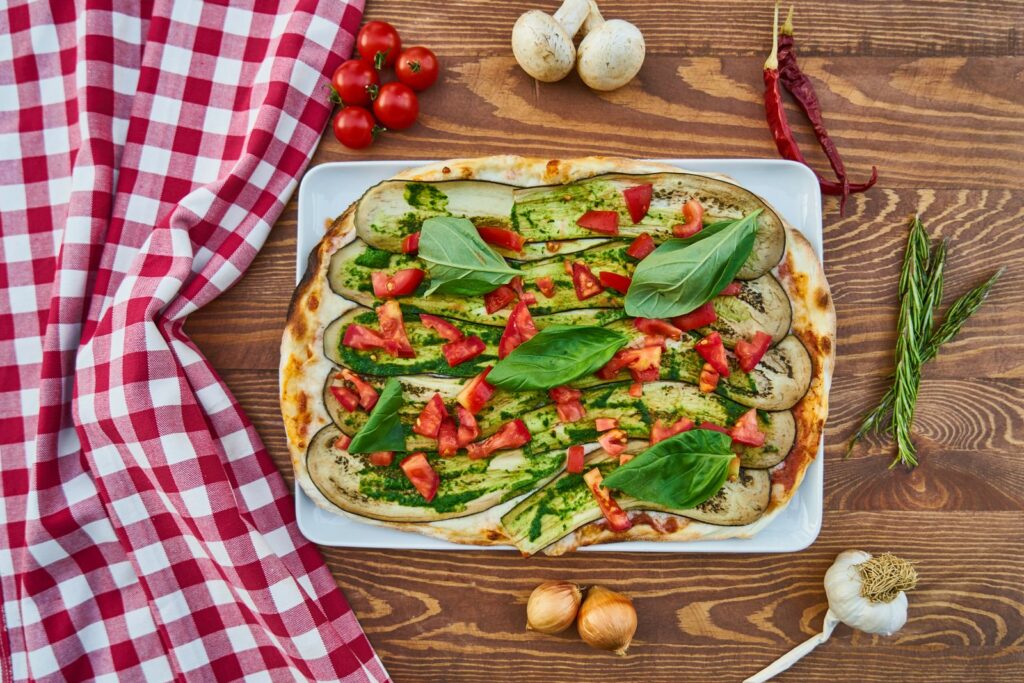
For pizza, thin soft slices like Violife or Well Well’s pea salami work best. Seitan hams are firmer, so cut them into strips and tuck them under the vegan cheese so they don’t dry out. If you want a quick dinner without rolling dough, try our homemade panini pizza and add a few slices of ham.
Czech open sandwiches, šunkofleky and ham and eggs
Chlebíčky are Czech open sandwiches, a must at every party and holiday, and homemade seitan ham sliced thin is perfect on them. Spread the bread with our chickpea spread for open sandwiches, which tastes like egg spread, then add the ham, gherkin and pepper. For our vegan ham pasta bake (šunkofleky), smoked tofu cubes work best, but finely chopped seitan ham does the job too. And for a weekend breakfast there’s vegan ham and eggs, made with chickpea flour.
More Czech classics without meat, from svíčková to vánočka, are collected in our roundup of vegan Czech food.
Tip for non-vegans: Curious about plant-based ham but not convinced? Start with a pizza or a toastie. Between the melted vegan cheese, tomato sauce and oregano, the difference from meat ham is at its smallest, and plenty of people don’t notice it at all.
Vegan ham when travelling: Germany and the UK
Meat-free ham is often easier to find abroad than in the Czech Republic, especially in Germany and the UK. Both countries sell plant-based deli slices in ordinary supermarkets, and the choice is usually wider.
Plant-based ham in Germany
One of Germany’s big names in plant-based deli is Rügenwalder Mühle.
Its Hauchgenuss Typ Schinken are very thin, smoky slices sold in 70 g packs, according to the German grocer Knuspr. Next to them you’ll find vegan Schinken Spicker, such as Mortadella or with grilled vegetables, plus ham slices from La Vie. Heading to Berlin? Our guide to things to do in Berlin will fill your days, and for a ham sandwich breakfast the nearest supermarket will do.
Plant-based ham in the UK
In the UK we’ve grown fond of Squeaky Bean, a British brand, and its Applewood Smoked Ham Style Slices. When we’re in Britain, we’re always happy to pick some up. According to the brand’s website, it’s sold in British chains such as Tesco, Sainsbury’s, ASDA and Waitrose. We haven’t seen it in the Czech Republic yet.
Useful words for shopping
In a German supermarket, look for “vegan”, “pflanzlich” (plant-based) or “Typ Schinken” (ham style). Cold cuts for bread are “Aufschnitt” in German. In Czech shops the words are “veganská šunka” (the Czech term), “rostlinná” (plant-based) and “bez masa” (meat-free).
In Britain, it’s usually sold as “ham style slices” or “plant-based ham”. And if you’re not sure, just ask “Ist das vegan?” in Germany or “Je to veganské?” in Czechia.
Read next
Love a barbecue? How to keep seitan and tofu juicy on the grill is all in our vegan BBQ guide to tofu and seitan.
Can vegan ham still be called ham in the EU?
Yes. The EU’s new rules reserve 31 meat terms for animal products only, and ham isn’t one of them. They come from Regulation (EU) 2026/1739, published in the EU’s Official Journal on 29 July 2026. According to FoodTimes’ breakdown of the regulation, the naming ban applies from 19 August 2029.
The reserved list includes bacon, steak, chicken, beef and pork. Names like burger, sausage and nuggets aren’t on the list, so plant-based products can keep using them.
It isn’t settled for good, though. In July 2026, French MEP Céline Imart tabled an amendment that would add ham, salami, burger and sausage, among others, to the protected names. According to Food Ingredients First, the European Parliament’s agriculture committee is expected to vote on the wider reform on 1 December 2026, with a plenary vote in early 2027.
So for now, plant-based ham can stay ham. Whether it still can after 2027 is up to MEPs over the next few months. These are EU rules, so British shelves are a separate story.
Our verdict
For pizza and sandwiches, buy Violife or Well Well’s salami. Buy them for flavour, not protein. When you want a slice that fills you up, go for a seitan ham from Plenty Reasons or Wheaty, with about five times the protein.
And for Christmas or a big open-sandwich spread, make your own from tofu and gluten. It isn’t hard, and you get to tune the flavour exactly the way you like it.
Which plant-based ham do you love? Have you ever tried making your own? Tell us in the comments, we’d love to try your tips.
Vegan ham FAQ
What is vegan ham made of?
Vegan ham is usually made from wheat protein (seitan), from pea or lentil protein with coconut fat and starch, or from tofu. Smoke, salt and spices give it the ham flavour, and radish, beetroot or carrot concentrate gives it the pink colour.
Is vegan ham healthy?
It depends on the base. Seitan hams have over 20 g of protein per 100 g, while coconut oil and starch hams have about 5 g and a lot of saturated fat. All plant-based hams are cholesterol-free, but they tend to be salty, so treat them like regular ham and enjoy them in moderation.
Where to buy vegan ham?
In the Czech Republic, the most reliable place to buy it is online, for example Rohlík (Violife, Green Force), organic e-shops and health food stores (Wheaty, Plenty Reasons). In Germany look for Rügenwalder Mühle or La Vie, and in the UK for Squeaky Bean at the big supermarket chains.
Is vegan ham gluten-free?
Seitan-based ham is not gluten-free, because seitan is wheat gluten. Violife’s ham-flavour slices are gluten-free. If you avoid gluten, always check the ingredients and the “may contain” warning on the pack.
How long does homemade vegan ham last?
Homemade seitan ham keeps for 3 to 5 days in the fridge if it’s well wrapped. Sliced, it freezes for up to 3 months, and you can thaw it overnight in the fridge.
Newsletter
Get our free e-books
Join the newsletter and download Our Vegan Christmas Kitchen straight away, 10 recipes for Czech cookies, gingerbread and vánočka. Then once a month, new places from the vegan map and new articles. Unsubscribe with one click.