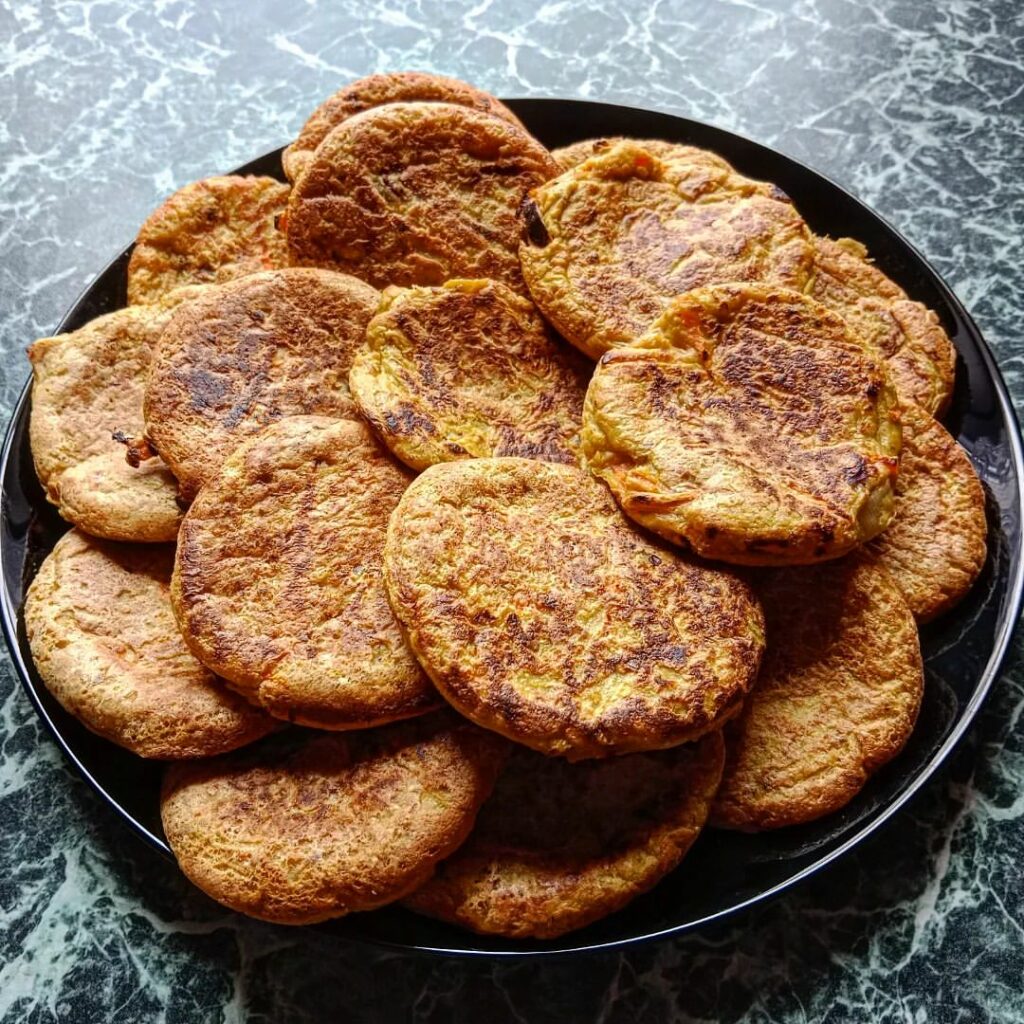
These vegan savoury oat pancakes prove that you do not need eggs or dairy to make a breakfast that is genuinely filling, flavourful, and ready in under 20 minutes. The batter is built on rolled oats and plant-based yogurt with grated carrot, leek, and red onion mixed in, seasoned with smoked paprika, turmeric, and a pinch of black salt for that subtle egg-like aroma. The result is a stack of golden, tender savoury pancakes with real nutritional substance: beta-glucan, plant protein, and a stack of vegetables in every bite.
Why are savoury pancakes one of the fastest-growing breakfast trends globally in 2025? What makes oat beta-glucan so valuable for health, and why does black salt smell like eggs without containing any? We cover all of this here, along with the history of Czech lívance (the traditional pancake this recipe is inspired by), a full nutritional breakdown, and serving ideas that turn these simple pancakes into a complete meal worth lingering over.
Why You Will Love This Recipe
Savoury oat pancakes belong in your weekly rotation for five very good reasons:
- No eggs, no dairy, full flavour: plant-based yogurt and rolled oats deliver the same tenderness and richness as a traditional batter without any animal products.
- Beta-glucan from oats is clinically proven to reduce LDL cholesterol by 5 to 7% with just 3g per day, and one serving of this recipe contributes meaningfully towards that.
- Ready in 20 minutes with no rising time and no resting required: blend, mix in the vegetables, fry, and serve.
- Vegetables built into the batter, so you get carrot, leek, and onion in every single pancake without needing a separate side dish.
- Versatile from breakfast to dinner: equally good with avocado and chilli at 8am or with hummus and roasted peppers at 7pm.
These pancakes have become a reliable staple for us because they work for any meal and for any diner, vegan or not. The flavour is convincing enough that no one asks where the eggs went.
Interesting Facts About Czech Pancakes and Oats
A few facts that make this recipe more interesting to eat and to talk about at the table.
Lívance: the Czech pancake with a centuries-long history
The Czech word “lívance” comes directly from the verb “lít” (to pour), because the batter is literally poured onto a hot surface. This linguistic clue reveals how lívance were made for centuries: a semi-liquid batter poured into a special pan called a lívanečník, with four round depressions, producing small, thick, plump cakes. In Czech households, lívance were traditionally a celebratory food associated with childhood, grandmothers, and festivals, served with cooked plums, fruit syrup, fresh farmer’s cheese, and sour cream.
The savoury, egg-free oat version is a thoroughly modern reinvention of this centuries-old dish, taking the form and making it work for contemporary plant-based eating. The tradition, however, stretches back to medieval Central European cooking, where griddle breads made from cheaper grains like oats and barley were a practical everyday staple before wheat flour became dominant.
Oat beta-glucan: the science behind the satiety
Rolled oats contain approximately 4.6g of beta-glucan per 100g. Beta-glucan is a soluble fibre that forms a gel in the digestive tract, slowing digestion and triggering satiety hormones. The science is clear and well-established: consuming 3g of oat beta-glucan daily reduces total cholesterol by 5% and LDL cholesterol by 5 to 7%, as confirmed by both the FDA (1997) and the European Food Safety Authority (2009).
One clinical trial found LDL cholesterol dropped by approximately 6% and cardiovascular disease risk by 8% after four weeks of consuming this daily amount. Beyond cholesterol, oats have a low glycaemic index of 40 (compared to 70+ for white wheat flour), which means slower blood sugar rises and significantly greater lasting fullness compared to wheat-based breakfast foods.
Savoury pancakes: a genuine food trend, not just a recipe idea
The global pancake market was valued at $911 million in 2021 with projected 4% annual growth to 2027. While sweet pancakes still represent approximately 75% of global consumption, the fastest-growing innovation on restaurant menus in 2024 and 2025 has been savoury versions.
Restaurant trend data shows traditional sweet brunch staples being replaced by savoury griddle dishes, grain bowls, and high-protein plant-based breakfast options. Consumers actively looking for lower-sugar, whole-grain, gut-health-supporting breakfasts are driving this shift. Vegan savoury oat pancakes sit precisely at this intersection: they are whole grain, high in fibre, naturally low in sugar, and protein-forward when plant yogurt and sunflower protein are included. For a sweet take on the same trend, try our vegan protein pancakes with cacao, also ready in 20 minutes.
Health Benefits of the Key Ingredients
This recipe earns its nutritional credentials ingredient by ingredient. Here is what each main component actually delivers.
Rolled oats: fibre, protein, and beta-glucan
Per 100g, rolled oats provide 389 kcal, approximately 13g of protein, 66g of carbohydrates (complex, slow-releasing), 7 to 10g of dietary fibre, and 6.9g of fat (primarily unsaturated). The star nutrient is beta-glucan: a single serving of 2 to 3 pancakes from this recipe contributes approximately 1 to 1.5g of beta-glucan, one third of the daily amount clinically proven to lower LDL cholesterol. Oats also contain 7 of the 10 essential amino acids and are naturally gluten-free if certified as such on the packaging. Rolled oats are also the base of our four-ingredient blender pancakes, a naturally sweet breakfast with no flour at all.
Flaxseed: omega-3 and natural egg replacement
Two teaspoons of ground flaxseed (approximately 10g) add approximately 2.3g of ALA omega-3 fatty acids, 2.8g of fibre, and meaningful amounts of lignans, antioxidants associated in studies with reduced risk of breast and prostate cancers. In this recipe, flaxseed also acts as a natural binder: when mixed with water, the seeds release a mucilaginous gel that mimics the binding property of an egg. One tablespoon of ground flaxseed mixed with three tablespoons of water, rested for five minutes, replaces one egg in any pancake or flatcake recipe.
Vegan oat pancakes vs traditional egg and dairy versions
Traditional pancakes per 100g contain approximately 227 kcal, cholesterol from eggs, saturated fat from butter and whole milk, and under 1g of fibre. Vegan savoury oat pancakes per 100g contain around 68 to 100 kcal (cooked), zero dietary cholesterol, significantly lower saturated fat, and 3 to 5g of fibre. For anyone monitoring cholesterol levels, blood sugar, or digestive health, the vegan oat version is the substantively better nutritional choice, and in this recipe it also tastes more interesting than a plain wheat batter.
Approximate Nutritional Values Per Serving
The table below gives estimated values for one serving of 2 to 3 pancakes from this recipe. Actual values will vary depending on oil used for frying and specific ingredient brands.
| Nutrient | Amount per serving |
|---|---|
| Calories | ~250 kcal |
| Protein | 8 g |
| Carbohydrates | 38 g |
| Fat | 6 g |
| Fibre | 5 g |
Approximate values per serving; actual amounts depend on specific ingredients, oil quantity, and toppings used.

Vegan Savoury Oat Pancakes
Ingredients
Batter
- 300 g plant-based yogurt
- 300 ml water
- 150 g rolled oats
- 30 g sunflower protein optional
- 2 tsp ground flaxseed
- black salt (kala namak) to taste
- black pepper to taste
- turmeric to taste
- herb salt to taste
- smoked paprika to taste
Vegetables
- 2 carrots grated
- leek a small piece, finely sliced
- 1 red onion finely chopped
For frying
- olive oil optional if using non-stick pan
Instructions
- Add all batter ingredients to a blender and blend briefly until combined. Let the batter rest for a few minutes, then stir in the finely chopped vegetables.
- Heat a non-stick pan over medium heat. Add a small amount of olive oil if needed. Spoon the batter into small rounds and fry on both sides until golden brown, about 3 to 4 minutes per side.
- Serve immediately with avocado, hummus, or your favourite toppings. A non-stick pan works well without any oil.
Notes
Tips and Variations
The base recipe is reliable and delicious as written, but these adjustments can adapt it to whatever you have at home or prefer in terms of flavour and texture.
- Without sunflower protein: The recipe works without it. The oats and yogurt provide enough structure and protein. The sunflower protein powder is a bonus for post-workout meals or higher-protein days.
- Different vegetables: Replace or add to the carrot, leek, and onion with grated courgette, frozen peas, sweetcorn, finely chopped red pepper, or wilted spinach squeezed dry. Use whatever is in the fridge.
- Gluten-free version: Use certified gluten-free oat flakes and check the yogurt label. Oats are naturally gluten-free but often cross-contaminated during processing, so the certification matters for coeliac diets.
- Black salt for that egg aroma: Kala namak (black salt) contains naturally occurring hydrogen sulphide that mimics the smell and faint taste of eggs. Available in Asian supermarkets and online, a small amount makes a noticeable difference. It is completely plant-based.
- Make ahead and reheat: Cooked pancakes keep in the fridge for up to 3 days. Reheat in a dry non-stick pan for 2 minutes per side or in a toaster for a crispier result. They also freeze well in layers separated by baking paper and defrost directly on a warm pan.
Once you have the base down, the variations are genuinely endless. Try a different spice blend (za’atar, cumin, or mild curry powder work beautifully), swap the vegetables seasonally, or increase the protein powder for a higher-protein version after exercise.
What to Serve With Savoury Oat Pancakes
These pancakes are satisfying on their own, but the right accompaniment turns them into a proper meal for any time of day.
- Smashed avocado: Mash avocado with lemon juice, sea salt, black pepper, and chilli flakes. Pile generously on top. Classic for good reason and adds healthy fats to the plate.
- Hummus and roasted peppers: A thick layer of hummus with sliced roasted red peppers on top is a simple, satisfying lunch that comes together in minutes.
- Tofu scramble: Pan-fried crumbled tofu with turmeric, black salt, and nutritional yeast alongside these pancakes makes a genuinely filling brunch spread that satisfies non-vegans too.
- For more savoury plant-based pancake ideas: Our vegan chickpea pancakes with spinach offer a different base for the same savoury-pancake habit, and they are just as quick and nutritious.
The beauty of this recipe is that it scales up effortlessly for a crowd, adapts to seasonal vegetables without any effort, and works as well for a solo weekday breakfast as it does for a weekend brunch spread. Make a big batch and see how quickly they disappear.
FAQ
Can you make savoury pancakes without eggs?
Yes, and they work brilliantly. Oat flour acts as a natural binder thanks to its beta-glucan content, so no egg replacer is needed for these savoury oat pancakes. A small amount of ground flaxseed mixed with water also helps if you want extra binding. The result is just as tender and cohesive as an egg-based batter, with better flavour complexity.
Are oat pancakes good for you?
Oats are one of the most nutritionally dense grains available. They are high in beta-glucan fibre (clinically proven to lower LDL cholesterol by 5 to 7% with just 3g daily), have a low glycaemic index of 40, and provide more sustained satiety than wheat-based alternatives. These savoury oat pancakes also contain zero dietary cholesterol, are high in plant fibre from the vegetables, and deliver meaningful plant protein per serving.
How do you stop vegan oat pancakes from falling apart?
The key is batter consistency and patience at the pan. The batter should be thick enough to hold its shape when spooned onto the pan (not runny). Allow each pancake to cook fully on the first side before flipping: it is ready to turn when the edges look dry and set and the surface has lost its wet sheen. Trying to flip too early is the main cause of falling-apart pancakes with any egg-free batter.
What can you serve with savoury oat pancakes?
The best accompaniments are: smashed avocado with lemon and chilli flakes, hummus (classic or avocado-based), tofu scramble with turmeric and black salt, roasted peppers or cherry tomatoes, kimchi or pickled vegetables for a tangy contrast, or a simple green salad. They work for breakfast, lunch, or a light dinner depending on what you pile on top.
Are savoury oat pancakes gluten-free?
Oats are naturally gluten-free, but standard oat flakes are often processed in facilities that also handle wheat and may contain gluten traces from cross-contamination. For a genuinely gluten-free version, use oats that are specifically certified as gluten-free on the packaging. Also verify that the plant-based yogurt you are using does not contain any wheat derivatives, which are occasionally used as thickeners.
How long do savoury oat pancakes keep and can you freeze them?
Cooked pancakes keep in an airtight container in the fridge for up to 3 days. Reheat in a dry non-stick pan for 2 minutes per side or pop them in a toaster for a crispier result. They also freeze well: layer them between pieces of baking paper, place in a freezer bag, and freeze for up to 3 months. Reheat directly from frozen on a medium pan or in a toaster.
These vegan savoury oat pancakes have become one of our most-made recipes, precisely because they are so effortless and so adaptable. Try them once and we are confident they will end up in your regular rotation too. Let us know in the comments what you served them with, or share your version on Instagram. And if you want to explore more savoury plant-based pancake styles, our vegan chickpea pancakes with spinach are a wonderful next step.
Newsletter
Get our free e-books
Join the newsletter and download Our Vegan Christmas Kitchen straight away, 10 recipes for Czech cookies, gingerbread and vánočka. Then once a month, new places from the vegan map and new articles. Unsubscribe with one click.